


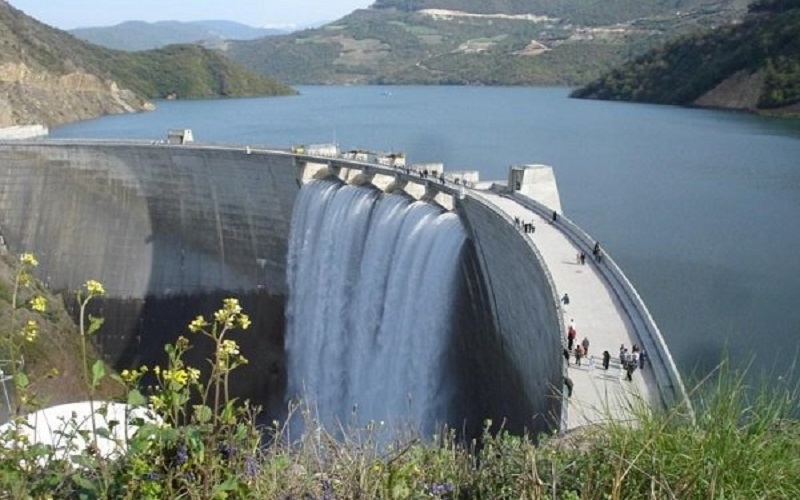

As Iran experiences a sharp decline in rainfall and rising temperatures in 2024, the country’s water resources are on the brink of a severe crisis. Media reports have begun speculating about potential water rationing in the summer, raising concerns among citizens and policymakers alike.
Declining Water Reserves and Dam Shortages
A recent analytical report by Ham Mihan highlights the alarming state of Iran’s water reserves. According to the report, over half of the country’s dams are now empty. Water inflows into these dams have dropped by 5% compared to last year, while outflows surpass actual consumption, leading to significant waste.
During the autumn and winter seasons—traditionally the periods for water storage ahead of hotter months—precipitation levels have plummeted, exacerbating the crisis. Some critical dams, such as “Shamil” and “Nian” in Hormozgan province, have received no rainfall whatsoever.
The country’s Water Information and Data Office has revealed that between the start of the 2024 water year and the end of January 2025, total water inflow reached only 5.99 billion cubic meters—a substantial decline from previous years. Minister of Energy Abbas Aliabadi admitted that while Iran’s total annual water inflow once exceeded 400 billion cubic meters, it has now fallen below 380 billion cubic meters.
Dire Statistics on Major Dams
The latest figures indicate that six of Iran’s key dams held less than 10 million cubic meters of water by the end of January. Specific examples include:
- Torogh Dam (Khorasan Razavi): 4 million cubic meters, an 11% decrease from last year.
- Sarni Dam (Hormozgan): 9 million cubic meters, a 31% drop.
- Nahrin Dam (South Khorasan): Only 1 million cubic meters remaining.
Implications for Agriculture and Food Security
Experts warn that the dwindling water reserves will have a direct impact on agriculture, threatening food production and causing long-term price hikes. “A decrease in water reserves could lead to lower production levels and, over time, an increase in food prices,” analysts caution.
Firuz Ghasemzadeh, spokesperson for Iran’s water industry, emphasized the gravity of the situation: “From the beginning of 2024 to the end of January 2025, rainfall has declined by 45%. Even with occasional above-normal rainfall in early March 2024, the overall deficit cannot be compensated.”
Economic and Governance Challenges
Beyond the natural decline in water resources, systemic inefficiencies further exacerbate the crisis. Water losses due to faulty distribution networks and unauthorized consumption have amplified economic concerns.
Water expert Reza Hajkarimi criticized Iran’s water governance, stating: “Our management system should not be so fragile that a slight drop in rainfall causes such vulnerability. The only sustainable solution is to reduce consumption and manage demand more effectively.”
The Broader Crisis of Mismanagement
One of the primary causes of Iran’s worsening water crisis is the regime’s failure to implement effective resource management policies. Without urgent measures to promote conservation and optimize consumption, the country may face dire consequences this summer, affecting households, industries, and agriculture alike.
Experts stress that, beyond immediate water shortages, the crisis poses a serious threat to Iran’s economic stability. Water scarcity will not only disrupt agricultural output but also drive up food prices, fueling inflation in the medium term. Without structural reforms and strategic interventions, Iran’s water crisis could escalate into a long-term catastrophe with far-reaching consequences.