


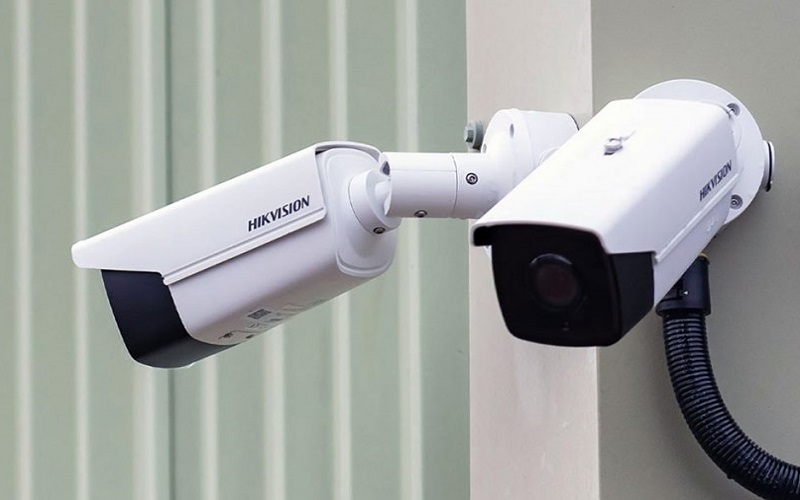

Mehdi Omidvar, spokesperson and board member of the Chamber of Trades of Iran, recently announced the launch of a new video surveillance system called “Saptam,” aimed at monitoring public spaces. This system connects cameras installed by various guilds and businesses to cloud servers managed by the national telecommunications system, enabling local police to access recorded footage.
The implementation of the Saptam system will initially involve 39 guilds and approximately 280 trade groups, including high-profile sectors such as gold dealers and restaurants. These businesses will be required to link their cameras to the system via the national license portal, thereby granting the local police direct access to their video feeds.
Omidvar emphasized that the Saptam system was developed with the support of the private sector, alongside the cooperation of the national license portal and law enforcement agencies. However, all businesses in Iran, whether private or public, are now mandated to register their surveillance systems in Saptam for approval, according to the reports released.
While detailed information on the system’s functionality has yet to be disclosed, concerns are mounting over the potential misuse of this extensive surveillance network. Given the regime’s track record of cracking down on political dissidents, it seems likely that access to these cameras could be leveraged by security forces to monitor and suppress political protests.
The use of surveillance technology in Iran is not new. In April 2023, Ahmadreza Radan, commander of the Law Enforcement Command of the Islamic Republic of Iran, stated that smart facial recognition cameras would be utilized to enforce the Chastity and Hijab Bill, affirming that this technology would be error-free. Security cameras have long played a role in identifying protesters during anti-regime demonstrations, and activists have raised concerns about the authorities’ use of such footage for repression.
However, there have also been cases where critical video evidence, such as footage from these cameras, has mysteriously disappeared, especially in court cases where police forces were under scrutiny for misconduct.
The Saptam system was developed by the Roshd Ghalamchi Private Institute of Management and Technology Services, a private institution, as a comprehensive surveillance platform for public areas. It is intended to offer services such as “video surveillance as a comprehensive service” and security monitoring. One of its stated goals is to combat the so-called “mafia of selling non-standard monitoring equipment,” although the criteria for what constitutes “non-standard” remains unclear.
Many observers suspect that the real aim behind the system is to force consumers to purchase domestic surveillance equipment or devices that have been approved by the regime’s security authorities. Dahneshmand Digital Economy Development Company, established in 2023 and a subsidiary of the same institution, has already claimed responsibility for developing IP-based camera systems that align with international standards. The reasons behind the exclusive control of such a significant security project by this private group, however, remain uncertain.
According to the Saptam website, all public CCTV camera owners must register their systems and obtain a license, which includes paying a registration fee for expert evaluation. The task of connecting every surveillance camera in both public and private establishments across the country to cloud servers is a massive and complex undertaking. It will require substantial financial investment as well as advanced telecommunications infrastructure.
The introduction of the Saptam system raises important questions about privacy and government overreach in Iran. With widespread surveillance becoming a reality, many fear the increasing ability of the regime to monitor and control the public, particularly during periods of political unrest. While the official line emphasizes security and the need to modernize surveillance infrastructure, the potential for this system to be weaponized against dissenting voices is cause for significant concern.