



How Iran’s national movement challenged foreign domination, exposed monarchical dependency, and reshaped the global discourse on economic independence
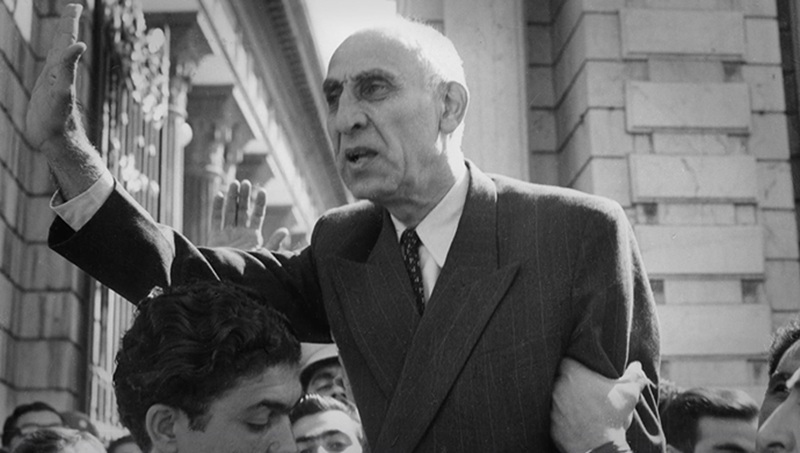
The nationalization of the Iranian oil industry was the result of a historic movement within Iran’s parliament (Majlis) to take control of the country’s vast oil resources, which had long been managed by private companies under dominant foreign influence. Legislation to nationalize the industry was passed on March 15, 1951, and ratified two days later. This decision led to the nationalization of the Anglo-Iranian Oil Company and the establishment of the National Iranian Oil Company. At the forefront of this movement was Dr. Mohammad Mossadegh, a leading figure of the National Front who would soon become Iran’s prime minister.
Dr. Mossadegh possessed a sophisticated understanding of global power dynamics. He recognized that Iran’s chronic underdevelopment did not stem from a lack of natural resources, but from what can be described as structural dependency—a system in which national wealth remained subject to foreign control and influence.
His political struggle began during the 14th Majles (Parliament), when he introduced legislation to prohibit negotiations over oil concessions. This was not merely a procedural move; it represented a strategic attempt to sever Iran’s economic subordination to foreign powers.
Oil Nationalization: A Turning Point
The nationalization of Iran’s oil industry in 1951 marked a decisive rupture. It was more than an economic reform—it was a direct challenge to a geopolitical order in which Western powers exercised decisive control over resource-rich nations.
Mossadegh also advanced the concept of a “non-oil economy”, aiming to transform oil from a political bargaining chip into a genuine national asset for development. He understood a core principle of political economy: no nation can claim true sovereignty while its primary resources remain under foreign control.
This confrontation quickly escalated beyond Iran’s borders. The dispute reached the International Court of Justice and the United Nations Security Council, where Mossadegh successfully defended Iran’s legal position.
The Monarchy and Structural Dependency
The Iranian monarchy, particularly under Mohammad Reza Shah Pahlavi, had long been entangled in foreign dependency—a pattern dating back to the 1921 Persian coup d’état, which enabled the rise of the Pahlavi dynasty.
The conflict between the royal court and the national movement exposed a fundamental contradiction: while Mossadegh sought to assert popular sovereignty, the monarchy prioritized regime survival through alignment with foreign interests.
This dynamic was evident in the role of Haj Ali Razmara, whose government resisted oil nationalization. The controversial Gass-Golshayan Agreement further illustrated attempts to preserve foreign control over Iran’s oil sector.
The 1953 Coup: Climax of Foreign Intervention
These tensions culminated in the 1953 Iranian coup d’état, carried out with the involvement of the Central Intelligence Agency and MI6. The coup overthrew Mossadegh’s government and restored the Shah’s authority.
The events demonstrated the extent to which the monarchy’s survival depended on foreign backing and highlighted a recurring historical pattern: when national sovereignty clashes with external interests, domestic authoritarian structures often align with foreign powers.
Legacy of Resistance
Mossadegh famously declared:
“My only crime is that I nationalized Iran’s oil industry and ended the political and economic domination of the greatest empire on earth.”
Following the coup, key figures of the national movement faced severe repression. Hossein Fatemi was executed, while Mossadegh himself was imprisoned and later placed under house arrest until his death.
Yet, the movement’s ideas endured. Mossadegh’s vision became a reference point for anti-colonial and nationalist struggles across the Middle East and beyond.
Historical Continuity and Present Relevance
The nationalization of oil on March 20, 1951 (29 Esfand 1329), remains a defining moment in Iran’s modern history. It demonstrated that economic independence and political freedom are inseparable.
As Massoud Rajavi has emphasized, Mossadegh represents not merely a historical figure but a path—a doctrine rooted in independence, popular sovereignty, and resistance to both domestic despotism and foreign domination.
Conclusion
Mossadegh’s movement revealed a structural truth that remains relevant: the struggle for sovereignty is not solely about political institutions, but about control over national resources and decision-making.
Revisiting this legacy is essential for understanding Iran’s ongoing challenges and for envisioning a future in which national wealth serves the people—rather than sustaining authoritarian power in any form.