Strasbourg resolution backs the Iranian people’s struggle for freedom and calls for accountability, tougher sanctions, and an end to executions
In a decisive move against the Iranian regime’s escalating crackdown, the European Parliament adopted a sweeping resolution condemning the repression, executions, and systematic human rights violations carried out by Tehran against political prisoners, protesters, women’s rights defenders, and ethnic and religious minorities.
The resolution was approved during the Parliament’s official session in Strasbourg on Thursday, May 21, 2026, with an overwhelming majority of 516 votes in favor, 14 against, and 32 abstentions.
The Parliament expressed solidarity with the Iranian people and their struggle for freedom, democracy, and human rights, while sharply condemning the regime’s increasing use of executions as a tool to suppress political organization and public dissent.
Lawmakers emphasized that the Iranian regime currently has the highest rate of death sentences in the world and warned that Tehran is using the ongoing regional conflict as cover to accelerate executions even further. The resolution also referenced warnings issued by the Independent International Fact-Finding Mission on Iran at the United Nations, which stated that the regime’s repression could amount to crimes against humanity.
The resolution specifically condemned the secret executions carried out in March and April 2026, including executions of juvenile offenders, and paid tribute to what it described as the “remarkable courage” of those executed.
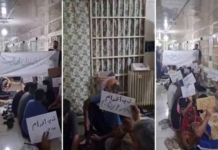
Members of Parliament also called for the immediate and unconditional release of all political prisoners held in Iran and demanded accountability for violence and abuses committed inside prisons.
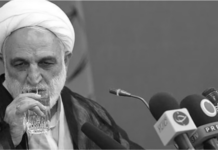
In one of the resolution’s strongest sections, the Parliament urged the Council of the European Union to expand sanctions against Iranian officials responsible for repression, including members of the judiciary, prison authorities, the Islamic Revolutionary Guard Corps (IRGC), and institutions linked to Supreme Leader Ali Khamenei.
The resolution further called for the freezing of IRGC assets, sanctions against family members loyal to the organization, and travel bans preventing their entry into the European Union.
European lawmakers also urged member states to close Iranian diplomatic missions linked to transnational repression and demanded stronger enforcement of existing sanctions regimes.
In a significant legal development, the Parliament called on EU member states to support the creation of a judicial mechanism concerning Iran that would pursue universal jurisdiction cases in European courts for crimes committed by the Iranian regime.
The resolution also condemned internet shutdowns in Iran and called on the European Union and allied countries to provide secure internet access tools to the Iranian people in order to counter censorship and repression.
Additionally, the Parliament urged the EU’s foreign policy leadership and member states to make human rights, the release of political prisoners, the abolition of executions, and accountability for victims central conditions in any engagement with Tehran aimed at ending the current conflict.
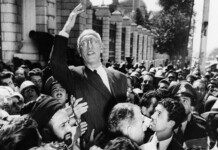
The debate surrounding the resolution also exposed growing tensions over attempts by monarchist lobbying groups connected to Reza Pahlavi to influence the text in favor of the former Shah regime.
According to reports from parliamentary discussions held over the past week, individuals linked to pro-monarchist pressure groups reportedly attempted to insert language or amendments benefiting the son of the former Shah into the resolution. Critics argued that such efforts would have undermined the resolution’s credibility and ultimately benefited the ruling regime in Iran.
Those attempts were strongly rejected by other parliamentary groups, with several lawmakers reportedly arguing that support for remnants of the former dictatorship only weakens the Iranian people’s struggle for freedom and democracy.
The rejection marked another political setback for Reza Pahlavi and his supporters following recent controversies surrounding pro-monarchist activities in countries including Sweden, Italy, and Germany.