


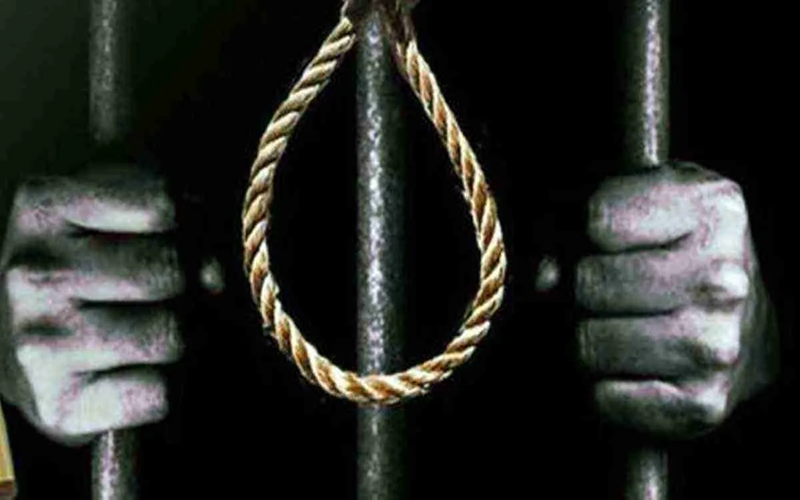

As Iran emerged from the aftermath of the January uprising and a devastating regional conflict, authorities intensified executions, political arrests, and security crackdowns, underscoring what rights advocates describe as a deepening human rights crisis across the country.
Crackdown Intensifies as Authorities Respond to Continuing Unrest and Political Challenges
The human rights situation in Iran continued to deteriorate sharply during May 2026, with a significant increase in executions, political arrests, and reports of arbitrary killings by security forces. The developments unfolded against the backdrop of the January 2026 uprising, one of the largest anti-government protest movements in recent years, and the consequences of a regional war that further deepened instability across the country.
Human rights advocates argue that the events of recent months have exposed the extent of state repression in Iran. Images and reports emerging after the January uprising documented large numbers of casualties and widespread allegations of violence against protesters. While the country has since been consumed by regional conflict and heightened security tensions, rights organizations say the regime has once again shifted its focus toward suppressing domestic dissent through executions, arrests, and intimidation.
The rapid execution of political prisoners and protesters, according to observers, reflects what many describe as the regime’s continuing struggle against a population demanding fundamental political and social change.
At Least 78 Executions Recorded
According to reports collected during May 2026, at least 78 prisoners were executed in Iranian prisons.
Among those executed were 11 Baluch prisoners, 17 Kurdish prisoners, and two Afghan nationals. The figures highlight the continued disproportionate impact of capital punishment on ethnic minorities and marginalized communities.
Of the total executions reported during the month:
- 66 were men
- 2 were women
- 10 were political prisoners
The execution of women also drew attention from rights groups.
On May 18, Afsaneh Zendabadi, a 32-year-old woman, was executed in Tabriz Central Prison on drug-related charges.
Two days later, Asma Zarei, 28, was executed in Ardabil Central Prison after being convicted of murder. Zarei had been arrested while pregnant and gave birth during her imprisonment. Her child, now two years old, was left behind following her execution. Reports indicate that in her final testament she requested that her child be entrusted to her mother.
Political Prisoners Among Those Executed
A significant number of executions during May involved prisoners convicted in cases connected to political activities, protests, or security-related allegations.
Kurdish Prisoners Executed in Urmia
On May 2, Nasser Bakrzadeh, a 26-year-old Kurdish prisoner, was executed in Urmia Central Prison on charges of “enmity against God” (moharebeh).
One day later, another Kurdish prisoner, 27-year-old Mehrab Abdollahzadeh, was executed in the same prison on charges of “corruption on earth.” He had previously been detained during the nationwide protests of 2022.
Protest Detainees Executed in Mashhad
On May 3, three prisoners—Mehdi Rasouli, Mohammadreza Miri, and Ebrahim Dowlatabadi—were executed in Mashhad Central Prison on charges of moharebeh.
All three had been arrested during the January 2026 uprising. Reports concerning their cases alleged the use of torture, forced confessions, and severe restrictions on legal representation during judicial proceedings.
Family members reportedly faced pressure not to publicize the cases and were informed of the executions only on the day the sentences were carried out.
Dowlatabadi, one of the executed prisoners, was an athlete and father of two children.
Execution Following Rapid Judicial Process
Another controversial case involved Abdoljalil Shahbakhsh, who was executed on May 12 in Zahedan Central Prison.
He had been accused of rebellion, membership in Ansar al-Furqan, and espionage. Reports indicate he was executed only 55 days after his arrest and without prior notice to his family.
Case of Mohammad Abbasi
The execution of Mohammad Abbasi, 55, also drew attention from rights observers.
Abbasi, who had been arrested following the January 2026 protests, was executed on May 13 in Qezel Hesar Prison after being convicted in connection with the killing of a military officer.
According to reports, the case relied heavily on confessions allegedly obtained through torture and threats, including threats directed at members of his family.
His daughter, Fatemeh Abbasi, was reportedly sentenced to 25 years in prison and remains incarcerated in Tehran’s Evin Prison.
Kurdish Prisoners Executed in Naqadeh
On May 21, Kurdish prisoners Ramin Zaleh and Karim Maroufpour were executed in Naqadeh Prison.
Human rights reports indicate both men endured prolonged periods of uncertain detention, lengthy solitary confinement, and court proceedings that lacked transparency and effective legal representation.
Execution of January Uprising Detainee
The final known political execution of the month occurred on May 25, when Abbas Akbari Feyzabadi was executed in Isfahan Central Prison.
He had been arrested during the January 2026 uprising and was accused of involvement in anti-government protests in Naein.
Wave of Arrests and Political Detentions
The crackdown extended far beyond the prison system.
At least 148 people were reportedly arrested during May 2026.
According to available information, 141 of those detained were arrested in connection with the January uprising, alleged links to the recent war, implementation of prison sentences, or security-related accusations for which no detailed explanations were publicly provided.
Human rights observers argue that the pattern demonstrates the continuing use of arrests as a tool to suppress political dissent and deter public activism.
Pressure on Religious Minorities
The campaign of arrests also affected religious minorities.
At least eight members of the Baha’i community and Christian converts were detained during the month.
Reports indicate that some arrests were carried out to enforce previous judicial rulings, while others occurred without clear public explanations from authorities.
Rights groups say these cases reflect the continuing pressure faced by religious minorities in Iran and the broader restrictions on freedom of belief and association.
Arbitrary Killings by Security Forces
Beyond executions and arrests, reports documented continued deadly use of force by security personnel.
During May 2026, at least seven civilians and one fuel carrier were reportedly killed by direct gunfire from security forces in urban areas and along transportation routes.
Human rights organizations have expressed concern that the actual number of victims may be substantially higher.
The ongoing security environment, coupled with the effects of regional conflict involving Iran, Israel, and the United States, has significantly restricted independent access to information. As a result, many incidents are believed to go undocumented or unreported.
A Deepening Human Rights Crisis
Taken together, the figures from May 2026 present a picture of a country experiencing an escalating human rights crisis.
The combination of mass arrests, political executions, repression of minorities, and lethal force against civilians points to a broader strategy of tightening internal control during a period of significant political uncertainty.
For many observers, the wave of executions carried out against protesters, political detainees, and members of minority communities demonstrates that the authorities continue to rely heavily on coercive measures to confront social unrest and political opposition.
As the repercussions of the January uprising continue to unfold, human rights advocates warn that the cycle of repression may intensify further unless greater international scrutiny and accountability are brought to bear on the situation inside Iran.