


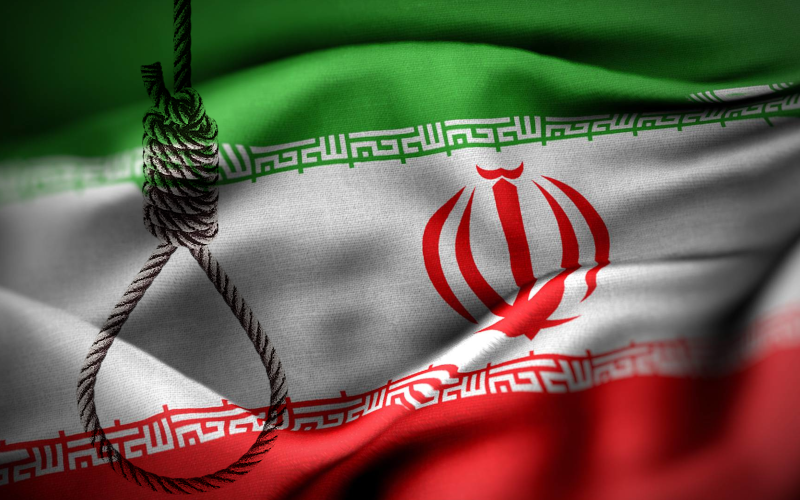

This report presents a comprehensive examination of the execution statistics in Iran during the first six months of 2024, from January 1 to June 30. The data collected highlights the scale and nature of executions carried out by the Iranian authorities within this period.
General Statistics
During this period, at least 266 prisoners were executed in various prisons across Iran. Of these, only 21 cases (approximately 8%) were officially reported by government and judiciary-aligned media, while 245 cases (around 92%) remained unofficial and undisclosed.
The identities of 259 individuals have been confirmed, with the identities of 7 others still under investigation.
Breakdown of Executions by Charges
- Drug Offenses: 159 cases (60%)
- Intentional Murder: 90 cases (34%)
- Political and Ideological Activities: 10 cases (3.5%)
- Armed Robbery: 5 cases (2%)
- Rape: 2 cases (0.5%)
Execution of Political and Religious Prisoners
During the first half of 2024, 10 prisoners were executed on charges related to political and ideological activities. The accusations included political activity, religious activity, espionage, and participation in uprisings. The names and dates of these executed political prisoners are as follows:
- Dawood Abdollahi: Kurdish prisoner of conscience from Mahabad, executed on January 2, 2024, in Qazalhasar prison in Karaj.
- Mohammed Ghobadlou: Detainee of the 2022 uprising in Tehran, executed on January 23, 2024, in Qazalhasar prison in Karaj.
- Farhad Salimi: Kurdish prisoner of conscience from Saqqez, executed on January 23, 2024, in Qazalhasar prison in Karaj.
- Pejman Fatehi: Kurdish political prisoner from Kamyaran, executed on January 29, 2024, in Qazalhasar prison in Karaj.
- Mohsen Mazloum: Kurdish political prisoner from Mahabad, executed on January 29, 2024, in Qazalhasar prison in Karaj.
- Wafa Azarbar: Kurdish political prisoner from Bukan, executed on January 29, 2024, in Qazalhasar prison in Karaj.
- Mohammad Faramarzi: Kurdish political prisoner from Dehgolan, executed on January 29, 2024, in Qazalhasar prison in Karaj.
- Saeed: Executed on charges of espionage on March 3, 2024, in Isfahan.
- Anwar Khezri: Kurdish prisoner of conscience from Mahabad, executed on May 1, 2024, in Qazalhasar prison in Karaj.
- Khosrow Basharat: Kurdish prisoner of conscience from Mahabad, executed on May 1, 2024, in Qazalhasar prison in Karaj.
Execution of Women and Children
Within this period, 10 women were executed. Four women were executed for murder, while six were executed for drug-related crimes. Additionally, a child named Ramin Saadat from Miandoab was executed on charges of intentional murder.
Breakdown of Executions by Nationality
- Kurdish: 72 cases (27%)
- Turkish: 42 cases (16%)
- Baluch: 32 cases (12%)
- Fars: 44 cases (16.5%)
- Lurs: 12 cases (4.5%)
- Gilak: 5 cases
- Arab: 3 cases
- Turkmen: 2 cases
- Hazara: 2 cases
- Unknown: 28 cases
Execution of Foreigners
During this period, 24 foreigners were executed. Among them, 23 were Afghan nationals, and 1 was Iraqi. Nine individuals were executed for murder, and fifteen for drug-related crimes.
Breakdown of Executions by Province
- Alborz: 55 cases (20.5%)
- Razavi Khorasan: 30 cases (11.5%)
- Fars: 21 cases (8%)
- Isfahan: 20 cases (7.5%)
- West Azerbaijan (Urmia) and East Azerbaijan: 18 cases each (6.8%)
- Zanjan: 12 cases (4.5%)
- Kerman: 11 cases (4.2%)
- Hamedan: 9 cases (3.4%)
- South Khorasan, Qazvin, and Ardabil: 8 cases each (3%)
- Qom: 7 cases (2.6%)
- Ilam, Kermanshah, Golestan, Gilan, and Sistan and Baluchistan: 5 cases each (1.9%)
- Lorestan: 4 cases (1.5%)
- Yazd and Central: 3 cases each (1.1%)
- Hormozgan: 2 cases (0.7%)
This detailed report underscores the significant number of executions carried out in Iran during the first half of 2024 and highlights the various charges, nationalities, and provinces involved. The high proportion of unreported executions points to a lack of transparency and accountability within the Iranian judicial system.