


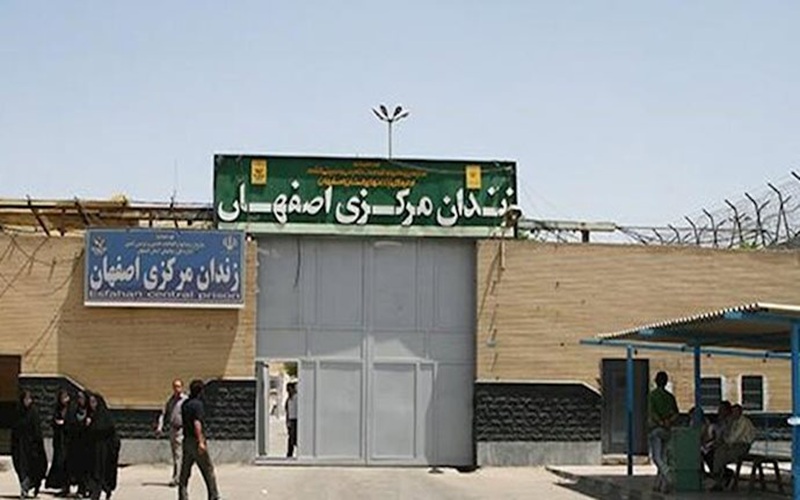

Eyewitness accounts describe beatings, prolonged solitary confinement, overcrowding, and deliberate deprivation as part of an organized system targeting political prisoners in Isfahan.
Fresh reports from Dastgerd Prison in Isfahan paint a disturbing picture of systematic torture, degrading treatment, and widespread human rights violations against prisoners—particularly political detainees and those held on security-related charges.
Physical violence, psychological abuse, prolonged solitary confinement, denial of medical care, and severe restrictions on basic rights have become routine features of prison life. Rather than isolated incidents, these practices appear to constitute an institutionalized system designed to intimidate, punish, and silence dissent.
The allegations add to a growing body of evidence documenting the Iranian regime’s treatment of political prisoners, particularly in the aftermath of the nationwide protests that have led to mass arrests across the country.
A System Built on Violence
The solitary confinement wards at Dastgerd Prison are staffed by specially selected personnel trained to manage these high-security units. Former prisoners and informed sources describe the guards as routinely employing violence, humiliation, and intimidation, with political prisoners facing the harshest treatment.
Prisoners are reportedly beaten for the slightest perceived infraction, including filing legal complaints or protesting prison conditions.
Multiple accounts describe detainees being handcuffed behind their backs and tied to pillars inside prison corridors, leaving their bodies suspended in painful positions for extended periods.
After being blindfolded, prisoners are allegedly assaulted by several guards using batons, wooden sticks, fists, and kicks. The beatings reportedly continue until victims lose consciousness or become physically incapable of standing.
Rather than receiving medical attention afterward, injured prisoners are returned directly to their cells, where they are often left untreated for hours or even days despite serious injuries.
Serious Injuries and Alleged Cover-Ups
The reported consequences of these beatings are severe.
Prisoners have suffered broken bones, internal bleeding, serious head injuries, extensive swelling, and long-term physical disabilities.
Even more alarming are allegations that some prisoners have died following severe assaults.
Prison authorities have allegedly concealed the true causes of these deaths by attributing them to altercations between inmates or other fabricated explanations. Official reports have been falsified, preventing independent investigations into the circumstances surrounding the deaths.
If verified, such allegations would point not only to torture but also to systematic efforts to obstruct accountability.
Intelligence Units Allegedly Participate in Abuse
The reports indicate that responsibility for these abuses extends beyond ordinary prison guards.
Personnel affiliated with the prison’s intelligence protection unit are said to have directly participated in, supervised, or facilitated acts of violence against prisoners.
Some officials reportedly regard such brutality as part of their institutional duties, raising concerns that abuse has become embedded within the prison’s administrative culture rather than representing isolated misconduct by individual guards.
Humiliation as Psychological Torture
Former detainees also describe sustained psychological abuse by prison officials.
The prison’s director, identified as Shirvani, along with senior intelligence officials, reportedly observed prisoners from outside solitary confinement cells while refusing repeated requests for basic rights.
Prisoners sought access to outdoor exercise, sunlight, family visits, telephone calls, medical treatment, and investigations into allegations of assault.
Instead of addressing these requests, officials allegedly responded with insults and degrading language.
Political prisoners were reportedly labeled “Israeli spies,” “Mossad agents,” “traitors,” and “enemies of the nation.” Prisoners were also allegedly told that they were undeserving of freedom, humane treatment, or even basic prison facilities, and that they deserved harsher punishment.
Human rights advocates have long warned that such verbal abuse forms part of a broader strategy of psychological pressure intended to break prisoners’ morale.
Overcrowding After Mass Arrests
Conditions inside Dastgerd Prison reportedly deteriorated significantly following the nationwide protests of January 2026.
Large numbers of arrested protesters were transferred to the facility, pushing several wards well beyond their intended capacity.
Prison authorities have resorted to housing detainees in corridors and even exercise yards due to overcrowding.
The surge in prisoner numbers has intensified shortages of food, sanitation, medical care, and living space, further worsening already difficult conditions.
Prisoners Forced to Sleep on Floors
One of the most serious consequences of overcrowding is the widespread practice known as “floor sleeping.”
With available beds far fewer than the number of inmates, many prisoners are forced to sleep directly on concrete floors.
During the daytime, those without assigned beds are often prohibited from resting, regardless of age or medical condition.
Prolonged exposure to such conditions significantly increases both physical illness and psychological stress, particularly among elderly prisoners and those suffering from chronic health problems.
Basic Necessities Turned Into Privileges
Reports also describe severe restrictions on clothing and other basic necessities.
New arrivals are reportedly prohibited from bringing extra clothing, underwear, or warm garments into the prison. During colder months, prisoners may spend days wearing only standard prison-issued clothing before requests for additional garments are processed.
Even after approval, families face strict limitations regarding what clothing they may provide. According to sources, garments with black coloring, zippers, pockets, or certain other features are prohibited, creating additional burdens for prisoners and their relatives.
Meanwhile, the prison’s internal store—known as “Bahareh”—sells clothing and essential goods at prices reportedly far above market value while offering poor-quality products.
Prisoners must obtain official permission simply to visit the store, and approval is not always granted.
Although inmates eventually receive a bank card through which relatives can deposit funds, many families cannot afford to provide financial support due to Iran’s worsening economic conditions, leaving numerous prisoners unable to purchase even basic necessities.
Poor Food and Punishment for Complaints
Food quality represents another recurring concern.
Daily meals are insufficient both in quantity and nutritional value, with acceptable-quality food provided only on rare occasions.
Essential supplies—including food, hygiene products, and cleaning materials—are reportedly sold inside prison at inflated prices, making them inaccessible for many inmates.
Perhaps most troubling is the reported punishment imposed on prisoners who complain.
Those who protest food quality, sanitation, medical neglect, overcrowding, or abusive treatment frequently face disciplinary retaliation.
Some are transferred to solitary confinement, while others reportedly receive new judicial cases that can lead to additional criminal charges or extended prison sentences.
Such practices, sources say, have created an atmosphere of fear in which many prisoners no longer dare to exercise even their most basic legal rights.
Growing Calls for International Attention
The latest accounts from Dastgerd Prison reinforce longstanding concerns expressed by international human rights organizations regarding the treatment of prisoners in Iran.
The allegations describe not merely poor prison conditions but an organized system in which physical violence, psychological abuse, denial of medical care, and institutional impunity function together to suppress dissent.
As arrests of activists, protesters, journalists, and political opponents continue across Iran, human rights advocates are urging independent international monitoring of detention facilities and renewed pressure on the Iranian regime to end torture, investigate allegations of abuse, and uphold its obligations under international human rights law.
For thousands of prisoners held across Iran’s detention system, those obligations remain far from reality.