


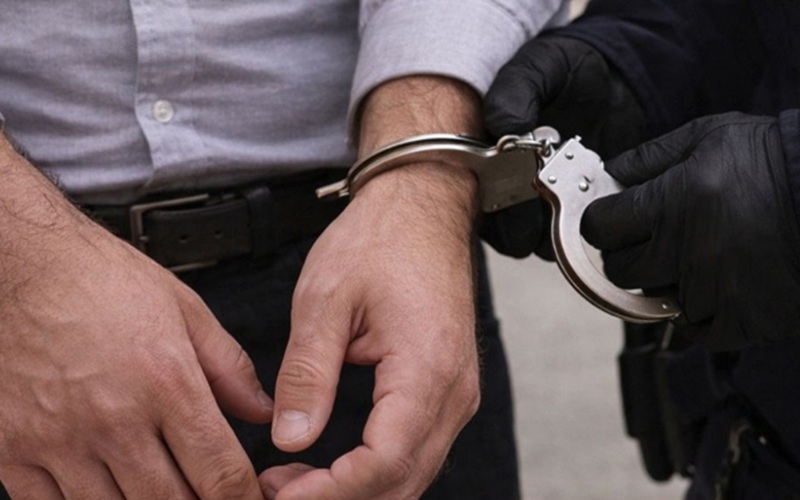

Dozens detained, citizens held without clear legal status, and widespread asset confiscations highlight an ongoing crackdown on activists, minorities, and government critics.
A new wave of arrests and property confiscations across multiple Iranian provinces has intensified concerns about the state of civil liberties and due process in the country. After the nationwide protests of January 2026, the regime’s security and judicial authorities continue to expand pressure on political activists, religious minorities, environmental advocates, and other citizens perceived as critical of the government.
Recent reports indicate that dozens of individuals have been detained, many remain in prolonged legal uncertainty, and authorities have ordered the seizure of assets belonging to numerous citizens. Human rights observers argue that these measures raise serious questions regarding transparency, judicial accountability, and respect for fundamental legal protections.
Mass Arrests Announced by Intelligence Ministry
In an official statement, the regime’s Ministry of Intelligence announced the arrest of at least 131 individuals in the provinces of Tehran, Ilam, and Sistan and Baluchestan. According to the ministry, those detained were allegedly linked to the January 2026 protests, espionage activities, or cooperation with armed groups.
However, the regime’s authorities have provided few details regarding the evidence supporting these accusations. The identities of many detainees, the nature of the alleged offenses, and the legal status of their cases remain unclear.
The lack of publicly available information has fueled concerns over whether those arrested have been afforded the legal safeguards required under international standards of due process.
Political Activists and Citizens Among Those Detained
Alongside the mass arrests announced by the regime’s Intelligence Ministry, reports from various regions of Iran indicate the detention of numerous activists and ordinary citizens.
Yousef Amini, a retired teacher from Bukan, was reportedly arrested by security forces and transferred to an undisclosed location. His current condition and whereabouts remain unknown.
Mohammadreza Morad Behrouzi was detained after appearing at the Mohammadiyeh Prosecutor’s Office and subsequently transferred to Choubindar Prison in Qazvin.
Another case drawing attention is that of Kamran Ahmadinik, who was reportedly arrested following a raid by agents affiliated with the Islamic Revolutionary Guard Corps’ intelligence organization. Sources familiar with the case claim that he was subjected to severe physical violence during the arrest and suffered a broken arm as a result. Nearly ten days after his detention, little information has been released regarding his condition.
Environmental activist Ashraf Mohammadi Najafabadi has spent nearly four months in Dolatabad Prison in Isfahan. She faces charges of “propaganda against the state” and has reportedly been denied release on bail.
Meanwhile, Pedram Hadipour and Sobhan Nourian, both members of the medical staff at Montazeri Hospital in Najafabad, have remained in detention for several months, with limited information available regarding the status of their cases.
Reports of Enforced Disappearances and Restricted Legal Access
Additional concerns have emerged from the city of Kamyaran, where Sardar Rahmani and Ehsan Rahmani reportedly disappeared after being summoned by the Intelligence Department. Their families say they have received no information regarding their whereabouts or legal status.
In Yazd, Ahmad Naeimi, a member of Iran’s Baha’i community, was arrested after appearing before an investigative branch of the judiciary. Sources indicate that prosecutors have refused to approve his release on bail.
Similarly, Khaled Hassanzadeh, a Kurdish citizen from Piranshahr, has reportedly been held in detention for more than sixteen days without access to legal counsel or family visits.
Human rights organizations have repeatedly criticized the practice of prolonged detention without transparent legal proceedings, arguing that it increases the risk of abuse and undermines defendants’ rights to fair representation and defense.
Expanding Property Seizures Across Provinces
At the same time as the arrests, the regime’s judicial authorities have announced a series of large-scale property confiscations targeting citizens accused of various offenses.
The head of the judiciary in Isfahan Province stated that orders had been issued to identify and seize the assets of 100 individuals, adding that the process would continue.
In Kurdistan Province, officials announced the confiscation of assets belonging to 19 individuals accused of cooperating with opposition media outlets.
Authorities in North Khorasan Province reported that the assets of 47 individuals had been seized on allegations of collaboration with hostile entities.
Despite these announcements, judicial authorities have provided little information regarding the legal basis for the seizures, the evidence presented against those affected, or the mechanisms available for appeal.
The absence of transparency has generated concern among legal observers who argue that property rights and procedural safeguards must be protected through clear and accountable judicial processes.
Growing Questions About Due Process
One of the most significant concerns surrounding these cases is the apparent lack of transparency regarding the charges and legal proceedings involved.
Many detainees remain in custody without clear public information about the evidence against them. In several cases, family members have reported extended periods of uncertainty regarding the whereabouts and condition of their relatives.
Reports of restricted access to lawyers, prolonged pretrial detention, and property confiscations before the issuance of final court rulings have further intensified concerns about compliance with basic legal standards.
It remains unclear in many cases whether arrests were carried out on the basis of independently verified evidence or primarily through security-related allegations that have not been publicly scrutinized.
Human Rights Concerns Intensify
The combination of mass arrests, prolonged detentions, limited access to legal representation, and widespread property seizures has prompted renewed human rights concerns both inside and outside Iran.
Human rights advocates have long criticized practices that include holding detainees incommunicado, denying access to legal counsel, extending periods of uncertainty regarding charges, and confiscating assets without full judicial transparency.
As reports of new arrests and asset seizures continue to emerge, concerns are growing that the crackdown following the January 2026 protests remains ongoing. The cumulative effect of these measures has heightened scrutiny of the regime’s judicial and security institutions and raised broader questions about the protection of civil liberties, legal accountability, and fundamental rights within the country.