


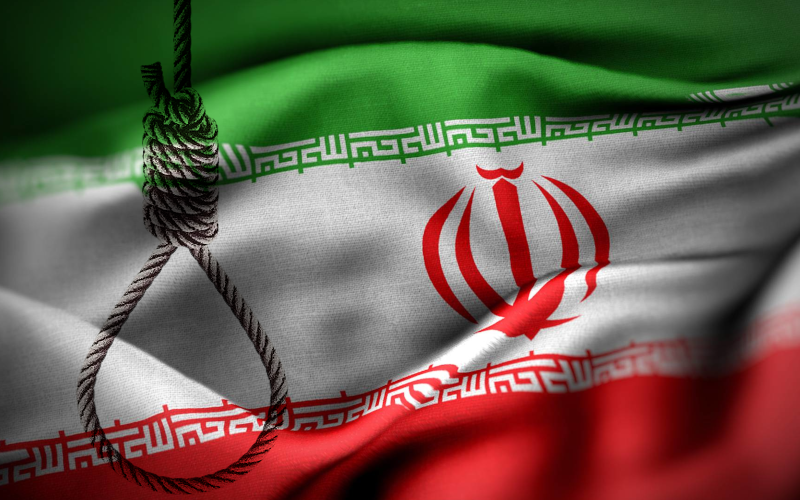

In a concerning development, at least 30 prisoners have been executed across various Iranian prisons within a span of just eight days, according to reports from multiple media sources. The executions, which took place between July 20 and July 28, 2024, were carried out on individuals convicted of ‘intentional murder’ and ‘drug-related crimes’.
This surge in executions, averaging about four per day, comes in the wake of Iran’s recent presidential election and amidst renewed international scrutiny of Iran’s human rights record. The timing has raised eyebrows, particularly as some regime supporters have been promoting the newly elected President Masoud Pezeshkian as a moderate and reformist figure.
UN Calls for International Mechanism to Investigate “Atrocity Crimes”
Just days before this wave of executions, on July 22, 2024, Javaid Rehman, the UN Special Rapporteur on the situation of human rights in Iran, called for an international mechanism to investigate and prosecute those responsible for “atrocity crimes” in Iran. In his final report before the end of his mandate, Rehman highlighted the extra-judicial killings of thousands of arbitrarily arrested prisoners during the 1980s crackdown on political dissent.
Rehman stated that these “atrocity crimes” amounted to crimes against humanity of murder and extermination, as well as genocide. He emphasized that victims included women and children, with reports of women being raped before execution. The Special Rapporteur also noted the targeting of Bahá’ís with “genocidal intent” and the continued persecution of religious, ethnic, and linguistic minorities.
“I repeat, there should be no impunity for such gross human rights violations, regardless of when they were committed,” Rehman said, calling for an independent international investigative and accountability mechanism for Iran.
Recent Executions
Against this backdrop of international concern, the recent spate of executions includes:
- Three prisoners executed on July 28 in Parsilon Prison, Khorramabad, on drug-related charges.
- Kamran Sheikheh and Hassan Yusefi Azar, executed on July 25 in Urmia prison.
- Qader Jamshidi, executed in Torbat-e Jam prison.
- Hamed Naderi and Ali Moharramkhani, executed on July 27 in Chubin Dar Qazvin prison.
- Motiullah Barkezi, an Afghan citizen, executed on July 26 in Qaen prison, South Khorasan province.
Additional executions were reported in Vakil Abad prison in Mashhad, Birjand prison, Bandar Abbas prison, Dizelabad prison in Kermanshah, and Qom prison.
Ongoing Concerns and Prisoner Protests
The ‘Tuesdays Not to Execution’ campaign, led by prisoners on hunger strike, had warned about a potential increase in executions following the elections. Their concerns appear to be materializing, echoing past experiences of execution surges after previous elections in Iran.
Human rights organizations report that in the first six months of 2024, at least 249 people were executed in Iran, with 147 of these executions related to drug charges. While this represents a 30% decrease compared to the same period last year, the recent spike in executions has reignited fears of a sharp rise in the post-election period.
International Response and Future Outlook
The international community continues to express deep concern over Iran’s use of the death penalty, particularly for drug-related offenses. The UN Special Rapporteur’s call for an international mechanism to investigate past and present human rights violations adds weight to these concerns.
As the situation unfolds, human rights watchdogs remain vigilant, calling for greater transparency and adherence to international human rights standards in Iran’s judicial system. The contrast between the regime’s claims of moderation and the ongoing executions highlights the complex and often contradictory nature of Iran’s approach to human rights and justice.