London condemns Tehran’s use of the death penalty as a tool of repression and highlights escalating abuses against women, minorities, and civil society.
UK Denounces Iran’s Expanding Repression at UN Human Rights Forum
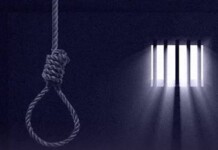
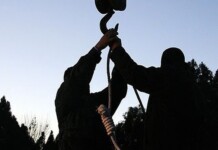
At a UN Third Committee session on Iran, the United Kingdom delivered a strong denunciation of Tehran’s human rights violations, urging the regime to impose an immediate moratorium on executions. The remarks, delivered by Andrew Sigley, First Secretary for Human Rights, referenced a deeply troubling pattern: Iran regime’s authorities continue to use the death penalty as an instrument of political control, aiming to instill fear and silence dissenting voices.
According to the UK’s statement, Iran’s execution practices remain systematically discriminatory, with ethnic minorities heavily overrepresented among those sentenced to death. Over the past year alone, the twelfth protester linked to the Woman, Life, Freedom uprising was executed, while many more demonstrators, activists, and human rights defenders face death sentences under vague or politically motivated charges.
Women and Girls Under Intensified Surveillance and Legal Discrimination
The UK expressed serious concern regarding the deteriorating situation for women and girls inside Iran. As referenced in the statement, authorities have been expanding surveillance systems designed to monitor women and girls both online and in public spaces, reinforcing the regime’s broader campaign to enforce compulsory hijab rules and suppress women’s rights activists.
Despite widespread advocacy, Tehran has failed to criminalize sexual and gender-based violence or create genuine avenues for women to seek justice. This ongoing refusal underscores the regime’s systemic discrimination and its commitment to policies that subordinate women’s rights to political control.
Escalating Persecution of Religious Minorities
The UK also highlighted the deterioration of freedom of religion or belief in Iran, particularly during and after the recent 12-day conflict. State-controlled and state-linked media have intensified incitement and scapegoating campaigns against religious minorities—particularly Baha’i and Christian communities—exacerbating long-standing persecution.
These communities, already subject to surveillance, arbitrary arrests, and widespread discrimination, now face heightened vulnerability as the regime increases ideological pressure and social hostility.
Iran’s Transnational Repression Expands
The UK statement drew attention to Iran regime’s growing pattern of transnational repression. Tehran continues to target journalists, activists, dissidents, and members of civil society living abroad, aiming to silence those who expose the regime’s human rights violations. Such activities include intimidation, surveillance, harassment, and attempts to influence foreign-based communities.
The UK underscored its commitment to working with international partners to counter this cross-border repression and hold the regime accountable for actions that violate international norms.
A Call for International Accountability
By calling for a moratorium on executions and spotlighting systemic abuses—from gender discrimination to attacks on religious minorities and civil society—the UK reinforced a broader international consensus: Iran’s human rights crisis is deepening, and decisive action is needed.
The statement serves as a reminder that Tehran’s violations are not isolated incidents but part of a deliberate strategy to maintain control through fear, coercion, and the suppression of fundamental freedoms.