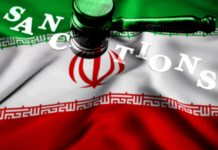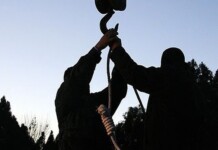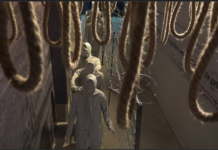
Masoud Pezeshkian’s upcoming speech at the UN General Assembly is not diplomacy but an insult to universal human values, legitimizing a regime built on repression, terrorism, and crimes against humanity.
Watch Live On September 23rd at 9 AMhttps://t.co/ncNO3suleR
— OIAC: Organization of Iranian American Communities (@OrgIAC) September 19, 2025
When the United Nations was founded after World War II, it was meant to stand as a shield for human dignity, rooted in the sacrifices of nations that resisted fascism and fought against crimes against humanity. Its charter and declarations, including the Universal Declaration of Human Rights, were written in the blood of innocents and the resilience of those who refused to bow to tyranny.
This makes Iran’s regime president, Masoud Pezeshkian’s appearance at the UN General Assembly all the more appalling. He is not a legitimate representative of the Iranian people. He is a handpicked figure of Ali Khamenei, part of a regime defined by religious fascism, weapons programs, warmongering across the Middle East, the export of terrorism, and the merciless repression of its own citizens.
FOR THOSE ATTENDING @OrgIAC #2025FreeIranNYRally PICKET LINE tomorrow,
➡️There's been a location change.
Monday, Sept 22 11am-1pm
New York Library Fifth Avenue and 42nd Street
New York, NY 10018
➡️Our main rally is scheduled for Sep. 23rd, 9:00am, Dag Hammarskjold Plaza.… pic.twitter.com/OyaDkd9NOp— OIAC: Organization of Iranian American Communities (@OrgIAC) September 22, 2025
Granting him a global platform is not diplomacy—it is complicity. It means placing a seal of approval on a system that murdered 30,000 political prisoners in the 1988 massacre and gunned down hundreds of protesters in the 2019 and 2022 uprisings. To let such a figure speak from the UN stage is to betray the very mission the institution was founded to uphold.
History provides a clear standard. From Nuremberg to tribunals in Yugoslavia and Rwanda, the world has declared that no crime against humanity should go unpunished. How, then, can the United Nations allow a representative of torture and terror to stand where the defense of justice, peace, and human rights should be voiced?
Happening Now:
In New York City, calling for @UN_HRC to hold the regime in Tehran accountable for ongoing extermination of dissidents. Join our rally September 23, 2025,9am pic.twitter.com/1n4ET2B3E2— OIAC: Organization of Iranian American Communities (@OrgIAC) September 20, 2025
Yet even this disgrace cannot silence the real voice of Iran: its organized resistance. For decades, the National Council of Resistance of Iran (NCRI) and the People’s Mojahedin Organization of Iran (PMOI/MEK) have carried the banner of freedom at enormous cost, with more than 120,000 martyrs. This resistance has not only defended the dignity of the Iranian people but also helped shield the world from the spread of religious fundamentalism.
The contrast was on full display in recent days. Outside the UN headquarters in New York, freedom-loving Iranians gathered to denounce Pezeshkian’s presence. In Brussels, tens of thousands marched in solidarity with the Iranian Resistance. Their message was unmistakable: the future of Iran will not be decided by dictators or foreign appeasers, but by its people and their organized struggle for democracy.
Our message from New York:
"REGIME CHANGE BY IRANIANS"@USABehFarsi @USUN @POTUS pic.twitter.com/kLAV8Awd2q
— OIAC: Organization of Iranian American Communities (@OrgIAC) September 20, 2025
Two images of Iran now face the world. One is the regime, embodied by Pezeshkian—an image of repression, terrorism, and decay. The other is the resistance, defined by sacrifice, legitimacy, and vision. Only the latter reflects the true will of the Iranian people.
The truth must be said plainly: the clerical regime does not speak for Iran. Pezeshkian is not the voice of its people, but of religious fascism. The authentic voice of Iran is the resistance movement that has endured decades of sacrifice and now offers a democratic alternative through the NCRI and Maryam Rajavi’s Ten-Point Plan.
The solution to world's impasse on Iran is in the young generation inside and outside Iran who are fighting to overthrow this regime. It is wonderful to have among near @UN, the youth in community, renewing their pledges of @ReutersTV @AP @NY1 @fox5ny @NBCNYDigital @GettyImages… pic.twitter.com/wKzYyrLo5Q
— OIAC: Organization of Iranian American Communities (@OrgIAC) September 20, 2025
Iran is known not by its rulers but by its resistance. Recognizing this resistance is not a political option—it is a moral and historical necessity.