



Why Iran’s liberation hinges on self-reliance, organized resistance, and a definitive break from foreign-engineered alternatives
The ruling system in Iran is not a political structure amenable to reform. It is a coercive apparatus that communicates primarily through repression. Its governing logic is not dialogue but deterrence; not participation but punishment. When every channel of civic breathing is sealed—when parties are banned, dissent criminalized, and protest met with bullets—resistance ceases to be a tactical option. It becomes a moral imperative.
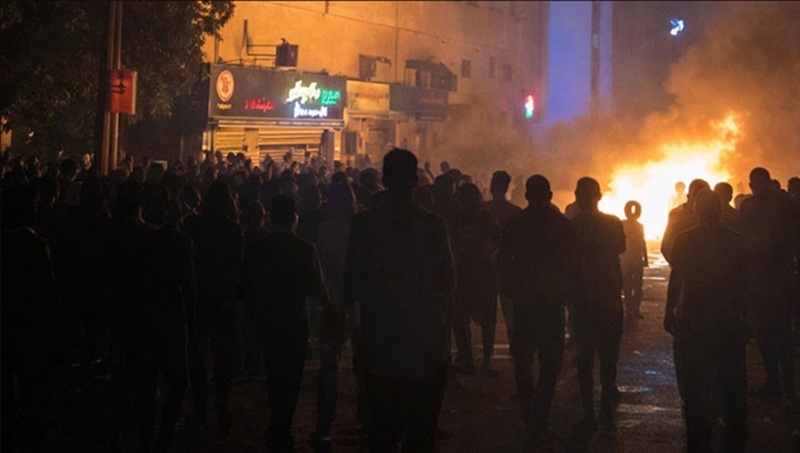
In such a landscape, uprising is first and foremost a revolt against imposed humiliation. It is the assertion that the will of the Iranian people transcends the walls of censorship, surveillance, and fear. The recurring protests since June 20, 1981, and especially in recent years, are not spontaneous outbursts detached from history. They are expressions of accumulated grievance against a system structurally incapable of reform.
Yet parallel to these authentic movements, another phenomenon casts a long shadow: the proliferation of manufactured “alternatives,” many of them implicitly or explicitly aligned with foreign interests. Contemporary political discourse cannot be understood without revisiting pivotal episodes in Iran’s modern history—most notably 1921 and 1953—when external powers privileged “stability” over democracy and advanced proxies over popular sovereignty.
The 1953 coup against the nationalist government of Mohammad Mosaddegh remains a defining trauma. It demonstrated how global powers, when confronted with a genuinely independent national project, opted instead for a pliant authoritarian order. The aftermath entrenched dictatorship and weakened democratic institutions, paving the way for the catastrophic polarization that followed.
Attempts today to rehabilitate monarchy under the patronage—or indulgence—of foreign actors amount to a reenactment of that tragedy. The restoration of dynastic rule, however repackaged, does not constitute democratic renewal. It risks reproducing the same cycle of dependency and repression that modern Iranian history has already tested and rejected.
Authentic uprisings operate on a different logic: self-reliance. The enduring principle that no nation’s destiny changes unless its people change it themselves is not mere rhetoric; it is the strategic foundation of revolutionary movements. Sustainable transformation cannot be subcontracted to foreign armies or negotiated through humiliating compromise with entrenched tyranny.
In this framework, organized resistance becomes central. The People’s Mojahedin Organization of Iran Resistance Units (PMOI/MEK) and the historical experience of the National Liberation Army of Iran (NLA) are presented by their advocates as manifestations of national self-confidence—structures designed to break the regime’s monopoly on fear. In a system where authoritarianism injects fear as the primary currency of social control, the act of defiance carries disproportionate political weight. By puncturing the aura of invincibility, organized dissent lowers the psychological barrier to mass participation.
The slogan “the only answer to the Mullah is fire” must be understood within this context. It is not, in the eyes of its proponents, a glorification of violence. It is framed as a defensive response to a state that recognizes no language other than coercion. When the regime equates peaceful protest with sedition and punishes civil activism as insurrection, the moral calculus of resistance shifts accordingly.
Iran today stands at a decisive crossroads. The boundaries between submission, dependency, and uprising are clearer than at any time in recent memory. The historical lesson of June 20 and the uprisings that followed is stark: liberation does not emerge from appeals to foreign capitals, nor from nostalgic returns to authoritarian pasts. It is forged by organized will, sustained sacrifice, and political clarity.
The binary choice between monarchy and theocracy has long dominated Iran’s political narrative. But that binary is false. The alternative lies neither in the resurrection of a Shah nor in acquiescence to a Sheikh. It lies in a third path—one grounded in national sovereignty, democratic accountability, and organized resistance.
Iran’s future will not be written by those waiting for salvation from abroad. It will be shaped by the resolve of its own people—by those who refuse both the despotism of yesterday and the tyranny of today.