


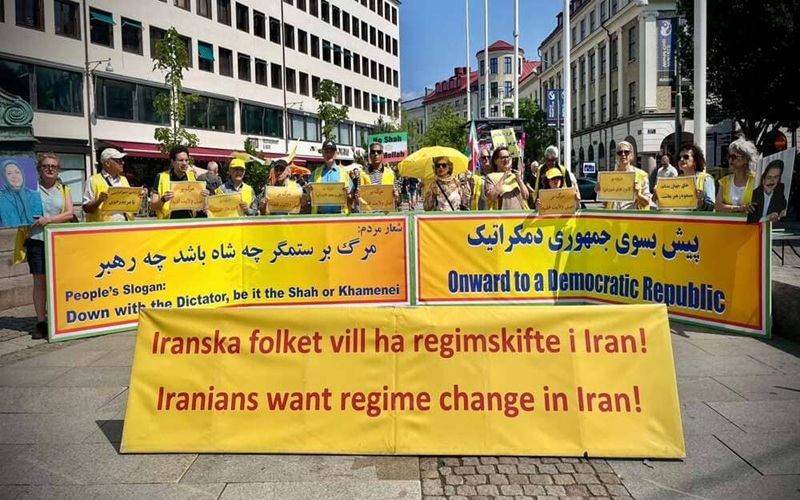

As pressure mounts on the Iran regime from domestic unrest, international isolation, and deepening internal divisions, the debate over Iran’s political future increasingly centers on the need for an organized democratic alternative.
The political landscape surrounding the Iran regime is entering a period of increasing uncertainty. As a reported 60-day diplomatic window approaches its conclusion, multiple pressures are converging simultaneously: expanding domestic unrest, intensifying factional rivalries, growing international scrutiny, and continued diplomatic isolation. Together, these developments are reinforcing the perception that the regime faces one of its most significant challenges in decades.
While the precise course of future events remains uncertain, one trend is becoming increasingly apparent: discussion has shifted from whether change is possible to what form that change should take.
Pressure Builds on Multiple Fronts
The Iran regime is confronting challenges from several directions at once.
Inside the country, persistent labor protests, economic demonstrations, and acts of resistance continue despite heightened repression. Meanwhile, political divisions within the ruling establishment have become increasingly visible following the absence of Ali Khamenei, with competing factions openly challenging one another for influence.
Beyond Iran’s borders, the regime also faces growing diplomatic isolation and continued international criticism over its human rights record, regional activities, and internal governance. At the same time, legal proceedings against individuals linked to the regime in several countries have added further pressure to an already fragile political environment.
Rather than existing as isolated developments, these trends collectively point toward a regime under mounting strain.
The Debate Over Iran’s Political Future
As expectations of political change grow, competing narratives about Iran’s future have also emerged.
Some international observers have focused on prominent media personalities or exiled political figures as potential successors to the current regime. However, recent commentary in international media has questioned the wisdom of equating media visibility with political legitimacy.
As several analyses have argued, transforming a media figure into a presumed national leader risks confusing international expectations with the complex realities inside Iran.
For months, extensive interviews, public appearances, conferences, and diplomatic meetings elevated Reza Pahlavi’s international profile, leading some observers to portray him as a likely successor should the current system collapse.
Yet political transitions are rarely determined by media exposure alone.
History Favors Organized Political Movements
Modern political history demonstrates that democratic transitions require considerably more than international recognition or personal visibility.
Successful political change depends upon organized structures, domestic legitimacy, institutional capacity, and sustained public support. Durable democratic governments are not created through international conferences or media campaigns alone but emerge from organized political movements capable of representing society during periods of transition.
For this reason, the debate surrounding Iran’s future increasingly emphasizes the importance of organized democratic institutions rather than personality-centered alternatives.
Supporters of the National Council of Resistance of Iran (NCRI) argue that its longstanding organizational structure, political platform, and international engagement distinguish it from alternatives built primarily around individual figures.
Lessons From Iran’s History
Iran’s modern history also offers important lessons regarding authoritarian rule.
The monarchy under Mohammad Reza Shah invested enormous state resources in displays of power, most famously the lavish 2,500-year celebration of the Persian monarchy. Despite strong military backing and broad international support, those demonstrations of strength ultimately failed to prevent the monarchy’s collapse in the face of widespread public dissatisfaction.
Today’s regime has likewise devoted extensive national resources to preserving its authority through military expansion, ideological institutions, and security apparatuses, even as ordinary Iranians struggle with severe economic hardship.
The comparison illustrates a recurring pattern: authoritarian governments often rely on symbolic demonstrations of power while becoming increasingly disconnected from the realities confronting their populations.
Economic Crisis Deepens Public Discontent
The financial burden of maintaining the regime’s political and military priorities continues to weigh heavily on Iranian society.
Persistent inflation has sharply reduced purchasing power, while poverty has expanded across broad segments of the population. At the same time, critics argue that significant public resources continue to be directed toward military and security projects instead of healthcare, infrastructure, employment, or economic recovery.
This growing imbalance has become a recurring theme in labor protests and public demonstrations across the country, where economic grievances increasingly intersect with broader political demands.
International Isolation Continues
The regime’s diplomatic standing has also weakened.
Growing international criticism over human rights abuses, regional activities, and domestic repression has contributed to its increasing isolation. The limited participation of senior international leaders in events associated with the regime has reinforced perceptions that Tehran’s political legitimacy has eroded not only at home but also internationally.
While foreign governments differ in their policies toward Iran, there is broad recognition that the country’s future ultimately depends on the aspirations of its own people.
The Demand for Democratic Change
The convergence of economic crisis, social unrest, internal factional conflict, and diplomatic isolation has intensified discussion about Iran’s political future.
For many Iranians, the central question is no longer which faction should prevail within the existing system, but whether a democratic republic can replace decades of authoritarian rule. As public dissatisfaction continues to grow and organized opposition expands its activities, the debate increasingly centers on establishing a political system based on popular sovereignty, democratic institutions, and the rule of law.
Whether that transition comes sooner or later, the forces reshaping Iran’s political landscape suggest that the demand for fundamental democratic change remains one of the defining dynamics of the country’s future.