



For decades, Iran has pursued a strategy of regional expansion through ideological influence, support for proxy groups, and leveraging crises in neighboring countries. However, the tide appears to be turning against Tehran, as its policies are increasingly viewed as sources of instability. Across the Arab world, there is a growing awareness of the costs associated with Iran’s interventions, and this shift may signal a pivotal moment for the Middle East.
From Ideology to Power Politics
Iran’s doctrine of Velayat-e Faqih was originally presented as a framework for Islamic governance. Over time, however, many in the region have come to see it as a vehicle for power consolidation and territorial influence. This shift in perception has become especially pronounced in countries where Iran has wielded significant influence. In Lebanon, for instance, the heavy toll of foreign-backed militancy on national stability is sparking calls for re-evaluation.
The disillusionment is not limited to the general public. Religious and political leaders within these countries are increasingly questioning the role of ideological exports from Iran, recognizing their divisive and destructive consequences. These sentiments reflect a broader regional awakening to the costs of Tehran’s ambitions.
Unraveling in Syria and Beyond
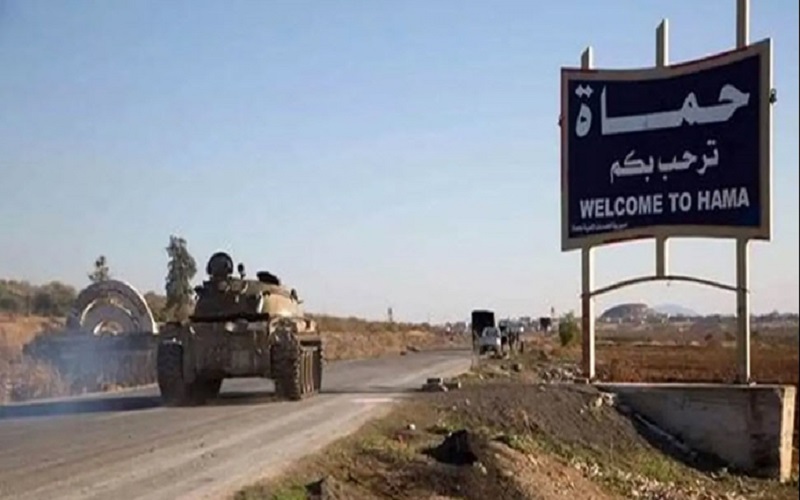
Syria, once a cornerstone of Iran’s regional strategy, is now a battleground for its waning influence. Despite public attempts to present itself as a peace broker, Iran’s inability to assert meaningful control highlights its diminishing role. The realignment of regional players, coupled with the shifting focus of global powers, has sidelined Tehran’s influence in Syria. The perception that Iran’s role in the conflict exacerbates instability rather than fostering resolution has gained traction among Arab commentators.
Meanwhile, in Gaza, Iran’s longstanding claims of championing the Palestinian cause are losing credibility. Critics argue that its policies have not only failed to alleviate suffering but have also entrenched divisions and deepened the crisis. The focus on militarized strategies, often carried out through proxy forces, has overshadowed genuine efforts to address the region’s humanitarian challenges.
A Growing Consensus
Across the Arab world, a shift in discourse is apparent. Commentators increasingly highlight the unsustainability of Iran’s regional strategies. The perception that Iran’s ideological exports and proxy networks undermine sovereignty and national stability is gaining ground. In this context, some analysts argue that the time of unchecked Iranian influence in the Middle East is drawing to a close.
This consensus is also being driven by changes in global dynamics. Regional actors are becoming less tolerant of prolonged conflicts fueled by external powers, while international efforts to recalibrate policies toward the region add further pressure on Iran’s proxies.
Challenges for Proxy Networks
As Iran’s influence weakens, its allied groups across the region face critical decisions. These militias, active in countries like Lebanon, Iraq, and Yemen, must navigate growing demands for integration into national frameworks. The choice to disarm and reintegrate or remain aligned with Tehran will significantly shape the future of these countries.
Furthermore, the changing political climate, including shifts in international alliances, is limiting the effectiveness of Tehran’s strategies. With its regional leverage shrinking, Iran’s proxies face reduced support and greater scrutiny, leaving them vulnerable to domestic and international pressures.
The Road Ahead
The unraveling of Iran’s regional influence marks a potential turning point for the Middle East. The growing discontent with external interference creates an opportunity for Arab nations to prioritize stability, sovereignty, and cooperative regional frameworks. For Tehran, the challenge lies in rethinking its strategies to adapt to a landscape increasingly resistant to its ideological and military approaches.
The coming years will likely determine whether this shift solidifies into a long-term trend. A Middle East less influenced by foreign intervention could pave the way for a new era of regional collaboration and development—provided that local actors seize the moment to address internal challenges and foster unity.