



As Iraq prepares for parliamentary elections, the political scene signals a decisive move toward national independence and away from Tehran’s shadow.
With Iraq heading toward parliamentary elections, the country’s political landscape is witnessing a profound transformation. The defining trend is a growing detachment from the influence of Iran’s regime and a shift toward nationalism and political sovereignty.
A new generation of Iraqi candidates is no longer willing to campaign under Tehran’s shadow. Even traditional Shiite factions — once close allies of the Islamic Revolutionary Guard Corps (IRGC) — are now centering their election programs on “neutrality” toward both Iran and the United States.
For years, neutrality toward Washington served as a convenient slogan among Shiite blocs. But today, when neutrality is declared toward both Tehran and Washington, it signals something deeper — Iraq’s readiness for a new political era.
The Cost of Two Decades Under Tehran’s Influence
This political shift is the result of two decades of bitter experience. Although Iran’s regime managed to entrench its political and military influence in Iraq after Saddam Hussein’s fall, that presence came with a heavy price: corruption, sectarianism, and deep economic dependency on oil revenues. These legacies left a negative perception of Tehran’s role in the country.
Today, Iraqi public opinion no longer views Iran’s regime as a supporter or ally, but rather as a source of interference and instability.
Meanwhile, the regime’s regional setbacks — from Hezbollah’s weakening in Lebanon and the Houthis’ fading strength in Yemen, to the destruction of Iranian military infrastructure in Syria — have shattered Tehran’s image as a regional powerhouse, reducing it to a fading myth.
From Obedience to Autonomy
In this changing atmosphere, Iraq is working to reclaim its independence. A new generation of Iraqi politicians — from secular reformers to pragmatic clerics — are seeking to replace ideology-driven policies with decisions based on national interest.
In essence, Iraq is transitioning from a phase of obedience to Tehran to one of political autonomy.
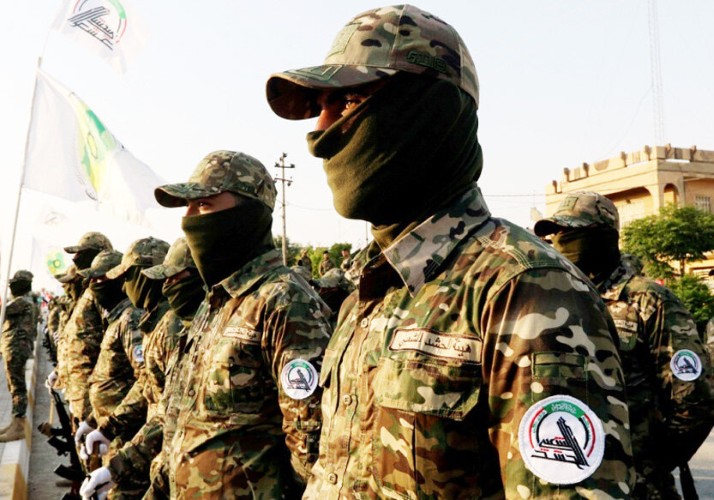
Signs of Iran’s declining influence are increasingly visible. The collapse of the Popular Mobilization Forces (PMF) structure and the forced entry of its leaders into the electoral field highlight this weakening.
The Failure of Tehran’s “Hezbollah Model”
Iran’s regime sought to replicate its Hezbollah model in Iraq — creating armed, loyal groups capable of bypassing or controlling official institutions. The PMF was meant to be its most successful version.
However, as a report by the Foundation for Defense of Democracies reveals, of the PMF’s claimed 238,000 members, only around 48,000 actually exist. The rest are ghost soldiers, a symptom of widespread corruption and mismanagement.
This structural decay, combined with growing public resentment, has eroded the PMF’s credibility and left Tehran without a reliable military arm in Iraq. Consequently, the regime has been forced to retreat from the military arena and engage in the political one — a significant downgrade from dominance to negotiation.
Fragmented Proxies and a Fading Network
Militia leaders such as Faleh al-Fayyad, Ahmed al-Asadi, Hadi al-Amiri, Qais al-Khazali, and Ammar al-Hakim are now running separately in the upcoming elections — a clear indication of internal fragmentation among Tehran-backed factions.
Strategically, this represents not the expansion but the erosion of the regime’s influence. The IRGC, once able to dictate Iraq’s political landscape through force, must now compete for influence in the open political arena.
A Weakening Grip
This transformation signals weakness, not strength. Instead of commanding Iraq’s direction, Iran’s regime has been reduced to bargaining within it. Ongoing U.S. pressure and domestic opposition have also blocked efforts to formalize the PMF’s position within the Iraqi government.
In today’s Iraq, any visible connection to Tehran is no longer a political asset — it’s a liability.