


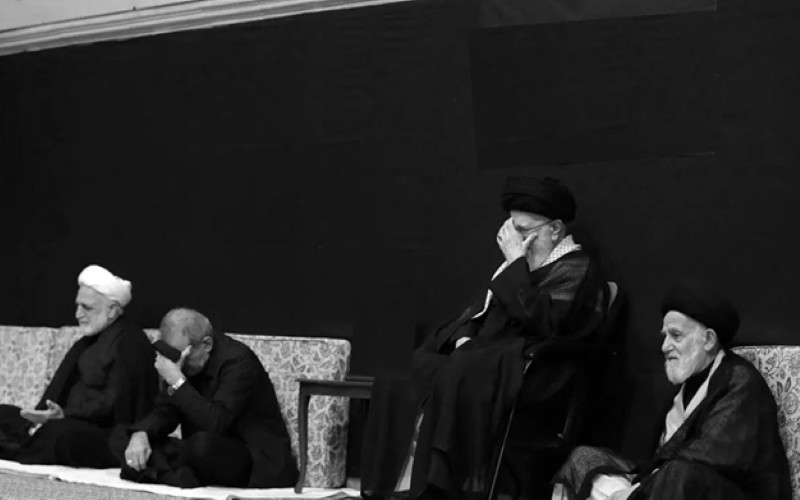

The reinstatement of UN Security Council resolutions highlights the global urgency to halt Tehran’s nuclear and military ambitions while underlining the role of resistance inside Iran.
Renewed Sanctions: A Strategic Necessity
On September 28, the reimposition of UN Security Council resolutions against Tehran ended a decade of suspension. These measures, which target Iran regime’s nuclear program, missile development, arms trade, and banking system, are not merely legal tools but strategic necessities for maintaining international peace.
A History of Secrecy and Defiance
Since the 1980s, Iran’s regime has pursued nuclear capabilities under a cloak of secrecy and consistent violations of international commitments. Supreme Leader Ali Khamenei recently admitted enrichment had reached 60 percent—an alarming level with no civilian justification.
Yet, repeated revelations by the Iranian Resistance have exposed the regime’s hidden facilities and intentions. The 2002 disclosure of Natanz and Arak by the Resistance marked a turning point, preventing Tehran from achieving a nuclear weapon in secret. Without such exposures, the regime might have already crossed the threshold to a bomb, leaving the world to face a fait accompli.
Appeasement and Its Deadly Cost
The 2015 nuclear deal (JCPOA) was promoted as a solution but in reality bought the regime more time. Maryam Rajavi, the President-elect of the National Council of Resistance of Iran (NCRI), warned in July 2015 that without firmness, Tehran would exploit the agreement to advance its malign agenda. Her warning proved correct: instead of improving the lives of Iranians, the regime funneled billions in oil revenues into domestic repression, terrorism, missile programs, and regional destabilization.
Oil Revenues and a Nation in Crisis
International data shows that between January 2021 and January 2025, Iran’s oil exports increased sixfold. Yet, ordinary Iranians saw no relief. Inflation soared, unemployment remained rampant, and poverty deepened. The regime’s priorities are clear: strengthen its machinery of repression rather than address the desperate needs of its citizens.
Why Targeted Sanctions Matter
Enforcing UN resolutions with rigor is essential to closing loopholes and preventing the regime from bypassing sanctions. Importantly, such measures do not affect humanitarian goods like food, medicine, or agricultural supplies. Properly implemented, they place pressure squarely on the regime without punishing the population.
Sanctions also create the conditions for domestic change. They weaken Tehran’s capacity for repression while empowering a society that has repeatedly shown its willingness to resist.
Resistance and the Path Forward
The Iranian Resistance has revealed nuclear sites, organized uprisings, and kept the regime in check for decades. Recognizing the Iranian people’s right to resist is not only a moral stance but also a practical strategy for global security.
UN resolutions alone are not a permanent fix. The true solution lies in addressing the root cause: a regime that wages war not against foreign powers, but against its own people. Only when the international community abandons appeasement and supports the Iranian people’s struggle can meaningful change take shape.
Toward a Free, Democratic, and Non-Nuclear Iran
The international community must see beyond sanctions. The ultimate safeguard for peace is regime change by the Iranian people themselves—achieved not through foreign intervention but through organized domestic resistance.
A democratic, secular, and non-nuclear Iran is the strongest guarantee of security in the Middle East and beyond. Supporting this vision means standing on the right side of history, affirming democracy, and defending human rights.