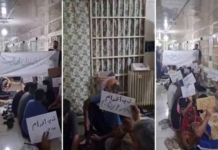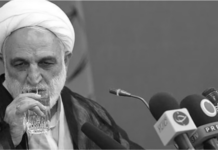
Brussels, 14 April 2025 — The Council of the European Union announced new sanctions targeting seven individuals and two entities in Iran for their involvement in serious human rights violations. This latest move underscores the EU’s growing concerns over Iran’s widespread use of arbitrary detention, repression of freedoms, and alarming rise in executions.
The decision, adopted by the Council on Monday, expands the EU’s Iran human rights sanctions regime to include a total of 232 individuals and 44 entities. The newly added targets include senior judicial and prison officials, as well as key institutions implicated in Iran’s repressive machinery.
Judiciary as a Tool of Repression
The EU highlighted Iran’s systematic misuse of its judiciary to carry out arbitrary arrests, especially targeting mono and dual EU nationals under false pretenses. These detentions are widely viewed as political leverage. The EU also raised the alarm over the sharp increase in executions, including those of women, ethnic and religious minorities, and even one European citizen in the past year.
Restrictions on freedoms of opinion, expression, religion, and assembly have intensified, accompanied by increasing threats and violence against journalists, human rights defenders, and political dissidents.
Sanctioned Individuals
The newly listed individuals face asset freezes, EU travel bans, and prohibitions on receiving economic resources. The sanctions apply to the following officials:
-
Farzadi Hedayatollah – Director of Evin Prison, Tehran. Under his supervision, Evin has become synonymous with torture, solitary confinement, and the detention of political activists and dual nationals.
-
Mehdi Nemati – Head of Fars Prisons Protection and Intelligence Department. He has overseen operations linked to repression, surveillance, and mistreatment of detainees in the province’s prisons.
-
Amir Gholami – Prosecutor of the First Branch of the Shiraz Revolutionary Court, known for issuing harsh sentences in politically motivated trials.
-
Ebrahim Nikbakht – Judge in the Shiraz Revolutionary Court, linked to numerous convictions lacking due process, especially against ethnic and religious minorities.
-
Reza Rezaei – Commander of the Fars Province Law Enforcement Intelligence Department, involved in the crackdown on peaceful protestors.
-
Alireza Esmaili – Head of Adelabad Prison in Shiraz, where reports of inhumane conditions, abuse, and torture are rampant.
-
Hamid Sadeghi – Deputy Intelligence Officer of Fars Province Prisons, accused of implementing aggressive interrogation techniques and extrajudicial punishments.
Sanctioned Entities
Two institutions central to Iran’s apparatus of repression were also listed:
-
Shiraz Central Prison (Adelabad Prison) – Located in Fars Province, this facility is notorious for overcrowding, denial of medical care, and the torture of detainees, including women and juveniles.
-
First Branch of the Revolutionary Court of Shiraz – A judicial body complicit in politically motivated prosecutions and severe violations of fair trial standards.
Broader Sanctions Framework
The EU’s human rights sanctions on Iran were first established in 2011 and have since been extended and expanded multiple times. The measures include:
-
Asset freezes and travel bans for listed individuals and entities.
-
A ban on exports to Iran of equipment that could be used for internal repression or for telecommunications surveillance.
The EU reiterated its strong condemnation of Iran’s practices, stating:
“The European Union expresses its support for the fundamental aspiration of the people of Iran for a future where their universal human rights and fundamental freedoms are respected, protected and fulfilled.”
Context and Implications
This new round of sanctions comes amid increasing international pressure on Iran over its internal repression and its detention of foreign nationals. Human rights organizations have long called for targeted accountability measures against Iranian officials complicit in torture, unfair trials, and systemic discrimination.
With these new listings, the EU aims to intensify the pressure on Tehran while signaling its solidarity with Iranian citizens demanding justice, freedom, and dignity.