


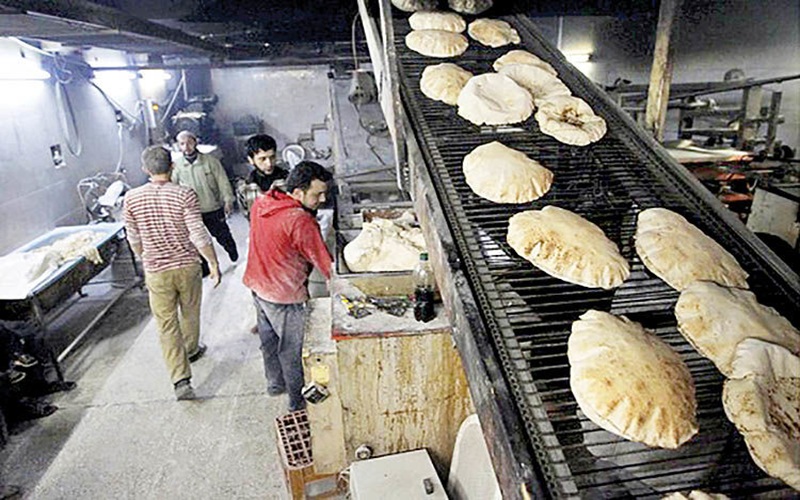

Despite decades of subsidies and promises of reform, Iran’s bread supply chain—from farm to bakery—remains broken, leaving farmers, bakers, and consumers equally discontent.
The Bread Market in Disarray
Bread is more than food in Iran—it is a symbol of culture and survival. Yet in recent years, the government’s interference in the bread market has produced widespread disorder. From farmers to bakers to ordinary citizens, dissatisfaction over both price and quality now defines the entire supply chain.
Despite vast subsidies, the problems persist. The funds neither reach farmers effectively nor provide relief for consumers. Instead, mismanagement and incompetence have created a market where both the price of bread and the frustration surrounding it continue to rise.
Rising Prices Across Provinces
In recent months, bread prices have climbed sharply, affecting both subsidized and non-subsidized bakeries. In Tehran, the deputy economic officer of the governor’s office confirmed a staggering 52 percent price hike, while surrounding counties reported increases of more than four percent. Similar trends have been recorded in other provinces, intensifying public anger.
Bread prices also vary widely between neighborhoods, yet discontent remains constant. Citizens frequently protest the rising costs, while bakers—ironically—complain that the state-set prices are still too low for them to survive.
Farmers and Bakers Trapped in a Broken Chain
The Iranian regime purchases wheat at a “guaranteed” price, but payments are often delayed. Small-scale farmers, who dominate the agricultural landscape, cannot afford to wait. They are forced to sell to middlemen at lower prices, driving down their already slim profits. Meanwhile, rising production costs and limited landholdings make farming unsustainable for many.
Bakers, too, face relentless pressure. Long hours at hot ovens yield little reward, as the official bread prices fail to cover production costs. Some are pushed to cut corners—reducing bread size, charging extra for sesame-coated loaves, or selling flour outside the state system. Others close shop altogether, leaving consumers to face long queues and scarcity.
Quality Sacrificed for Survival
Amid debates over prices, bread quality has been neglected. Scientific studies warn that bread baked from refined white flour contributes to digestive diseases and diabetes. Yet state policies continue to encourage this practice, while healthier wholemeal bread remains rare and costly.
Even flour factories profit by removing bran and germ from wheat, further lowering the nutritional value of the final product. Without government support and oversight, the shift toward healthier bread remains a distant goal.
Structural Failure in Subsidy Policies
Iran has spent decades attempting to reform bread subsidies, from Mahmoud Ahmadinejad’s “targeted subsidies” program to more recent attempts under successive administrations. Yet the outcome remains unchanged: huge sums are allocated for wheat procurement, flour is sold cheaply to bakeries, and dissatisfaction grows.
Government rationing and sanctions policies, designed to keep bread affordable, have instead fueled shortages and endless queues. By failing to balance the needs of farmers, bakers, and consumers, the state has created a lose-lose system where no one is satisfied.
Bread Too Expensive for the People?
Bread should remain the most accessible food in Iran, yet it is increasingly unaffordable, unhealthy, and scarce. Farmers cannot earn a living, bakers cannot cover their costs, and consumers face rising prices and poor quality.
At its core, the crisis is not about a shortage of wheat or flour. It is about the structural inefficiency of a government unable to manage one of the most basic pillars of Iranian livelihood.
The bread crisis has become a powerful symbol of Iran’s broader economic and political dysfunction. It raises an unavoidable question: Has bread itself become too expensive for the Iranian people under this regime?