



A recent report from the Research Center of the Iranian Parliament reveals a troubling decline in the nation’s per capita consumption of essential food items.
The report highlights a sharp decrease in red meat consumption, which has dropped from nearly one kilogram per capita in 2011 to less than 400 grams in 2023.
Nutrition policy experts estimate this figure has now fallen to a mere 200 grams per capita compared to last year.
This decline extends beyond red meat. Egg consumption has decreased by more than 10% since 2011, reflecting a broader shortage of protein in the Iranian diet.
The report underscores a critical reduction in per capita calorie consumption, which now stands at half of the global minimum standard of 2,100 kilocalories.
This significant decline threatens the physical strength of the workforce and is likely to increase healthcare costs across the country.
During a televised debate for the 14th presidential election, candidate Masoud Pezeshkian, drawing on his experience as Minister of Health, presented a graph showing the free fall in calorie consumption among Iranians since the early 2010s, highlighting the growing issue of malnutrition.
Key consumer goods that provide quality protein have been largely removed from household consumption.
Despite this, some executive and economic officials from the last two administrations have downplayed the severity of the situation.
The Parliament Research Center report details a significant gap in calorie consumption: the highest income decile recorded a daily per capita consumption of 3,284 kilocalories, while the poorest decile consumed less than 1,497 kilocalories daily.
Monthly consumption of chicken meat has also declined, dropping from 1.7 kilograms per person to less than 1.4 kilograms.
Pasteurized milk consumption has fallen from 3 kilograms per person per month to about 1 kilogram. Egg consumption has decreased by over 10% since 2010, further straining household protein intake.
High-consumption carbohydrates like rice have not been spared; their consumption has halved from 3.1 kilograms per month to about 1.5 kilograms.
Additionally, the quality of rice has declined, with households resorting to lower-quality foreign varieties. This reduction in food quality and quantity has been exacerbated by the rising cost of living, particularly housing.
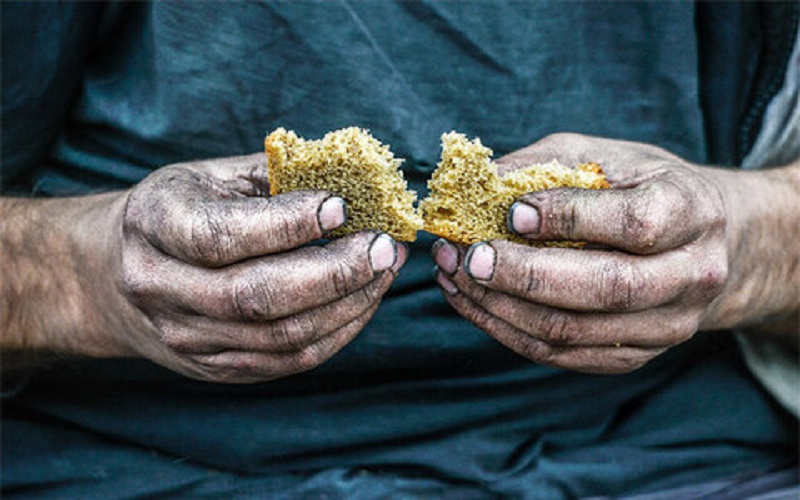
Last November, the president of Shahid Beheshti University of Medical Sciences stated that about 60% of Iranians rely on bread as their main energy source.
The state-run Mehr News Agency confirmed that the Iranian food basket has surpassed all critical danger thresholds. Contrary to promises of enriched bread, the staple remains low in nutritional value, lacking fiber, protein, and essential minerals.
In contrast, many impoverished countries enrich their bread with vitamins and minerals to combat poverty and boost workforce health.
Official statistics indicate that over 30% of Iranians live in absolute poverty, with inflation rates exceeding 40% over the past seven years.
This economic instability has contributed to the severe reduction in calorie intake. Despite these alarming figures, the current government, which presides over the steepest decline in per capita calorie consumption, has censored and criticized the release of these statistics, calling them distorted.
Nutritional deficiencies, particularly in iron, zinc, calcium, and vitamin D, are widespread, especially among pregnant women, highlighting a growing hunger crisis.
The severe issue of cellular starvation, linked to food and drug supplement intake and affecting children’s learning and IQ, is also dire.
The removal of nuts, such as pistachios, walnuts, almonds, and hazelnuts, from household diets, along with the reduction in fish, shrimp, fruits, and vegetables, paints a grim picture.
This dietary decline suggests that Iran will soon face a significant reduction in the quality of its human resources, posing a substantial challenge to future economic development.