


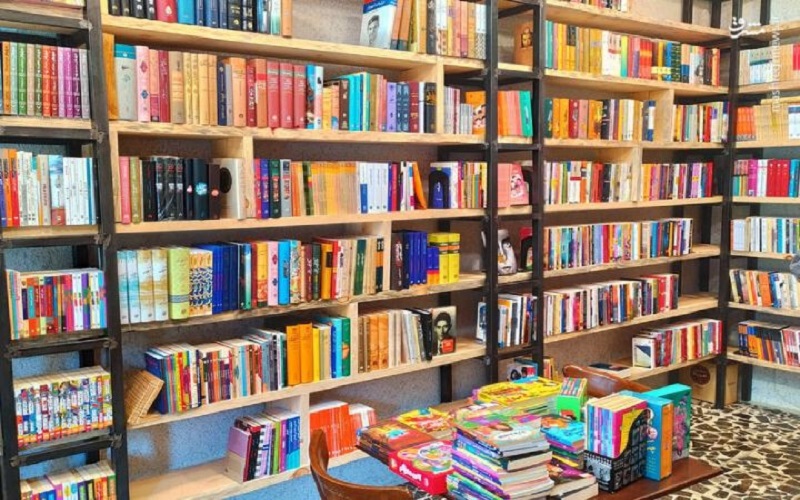

Iran’s book publishing industry teeters on the brink of collapse, caught in a paradox that mirrors deeper societal challenges. The number of published book titles has surged by 25% between 2020 and 2024, rising from 94,867 to 118,610, according to Iran’s House of Books and Literature.
Yet, total printed copies have dropped by 7.8%, from 117.292 million to 108.111 million, with average print runs per title plummeting 26%, from 1,236 to just 911 copies. This stark contrast reveals a dwindling demand for books, driven by a toxic blend of censorship, economic hardship, and shifting cultural priorities, threatening the future of Iran’s reading culture.
Decades of heavy-handed government censorship have stifled creativity and shattered trust in the publishing ecosystem. Authors and translators, worn down by restrictive policies, face a landscape where publishers prioritize safe, low-risk titles to evade scrutiny, sacrificing intellectual diversity and quality.
Following the 2022 uprising, many creators abandoned physical publishing for digital platforms, a move that offers temporary relief but further weakens the traditional book market. Readers, disillusioned by censored content, are increasingly detached from the literary world.
Economic turmoil has compounded the crisis, transforming books into an unaffordable luxury. Rampant inflation and shrinking purchasing power have made survival—housing, food, essentials—the sole focus for many families.
With rent inflation hitting 40.3% in 2024 and urban migration to city outskirts soaring by 73%, as reported by Iran’s Statistics Center, cultural pursuits like reading have been sidelined.
Rising production costs, from paper to distribution, force publishers to cut print runs, as noted by author and journalist Gholamreza Kiammehr: “Even with minimal profit margins, books remain out of reach for most.”
The rise of digital media—social networks, podcasts, and instant content—has further eroded books’ cultural relevance. Author and educator Bita Bararin points out that free or low-cost digital alternatives have diminished the appeal of physical books.
Meanwhile, translation tools like Google Translate and ChatGPT have unleashed a flood of poorly edited, low-quality translations, often printed in tiny runs of 50 to 100 copies. These subpar works inflate title counts but fail to engage readers, deepening the industry’s woes.
This publishing crisis reflects a broader societal collapse. Poverty has surged, with 10 million more Iranians falling into destitution between 2011 and 2024. Per capita protein consumption has dropped by 14 kilograms, red meat has vanished from many diets, and even basic household items are now bought on credit.
Iran’s youth, trapped in what psychologists call “learned helplessness,” grapple with despair born of relentless economic and social barriers. This exhaustion, evident in silent classrooms and a yearning to emigrate, drives a loss of human potential that imperils the nation’s future.
The decline in print runs and the proliferation of low-quality titles signal a cultural emergency. Censorship, economic despair, and digital competition have pushed books to the margins, eroding trust in cultural institutions.
In a nation where hope fades and survival consumes all, reading has become a distant dream. Reversing this demands bold, transparent reforms and equitable access to opportunities.
Without action, Iran risks not only its publishing industry but the very essence of its cultural and social identity. A reactionary force, cloaked in authoritarian ideology, now seeks to dismantle the nation’s intellectual heritage.
To save Iran’s culture, this threat must be confronted, restoring the vitality of thought, knowledge, and progress that books represent.