


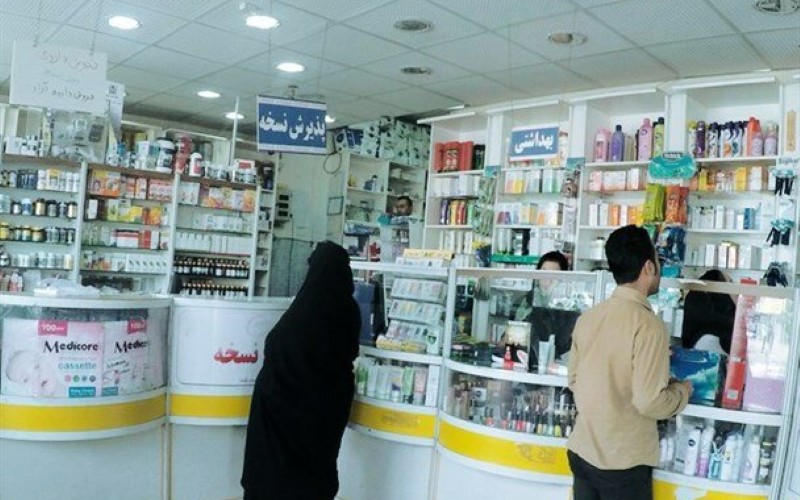

Mounting insurance arrears, rising medicine prices, and demographic pressures push Iran’s healthcare sector toward unsustainability.
The Iranian healthcare system is sliding toward collapse under the weight of ballooning debts, mounting costs, and an aging population, according to recent warnings from lawmakers, medical professionals, and labor representatives.
Reza Jabbari, a member of the parliament’s presiding board, cautioned this week that the regime will soon be unable to sustain basic healthcare expenses. Speaking alongside Health Minister Mohammadreza Zafarghandi, he said that nearly 70 percent of insurance resources are currently absorbed by medicine and equipment.
Jabbari stressed that without reforms and more strategic purchasing, the system could face the same crippling shortages already evident in the country’s energy sector. He also predicted a rise in chronic and non-communicable diseases that the system will not be able to manage if current trends continue.
The warnings intensified after Shahram Kalantari, head of Iran’s Pharmacists Association, revealed that insurers and subsidy programs have failed to pay their obligations, leaving the pharmaceutical supply chain in a critical state.
He detailed outstanding debts of 100 trillion rials ($100 million) from Health Insurance, 150 trillion rials ($150 million) from Social Security, and 90 trillion rials ($90 million) from the Daroyar plan since July.
According to Kalantari, the industry can remain stable for only six months under such conditions, after which shortages of essential medicines are inevitable. He further noted that nearly 80 percent of pharmacies in Iran are already at risk of bankruptcy.
Other lawmakers have confirmed the growing burden on families. Fatemeh Mohammadbeigi, deputy chair of parliament’s Health Committee, highlighted that citizens now shoulder around 70 percent of medical expenses out of pocket.
She described the insurance system as “inefficient and near bankruptcy,” pointing to mismanagement and fragmented coverage. She argued that the burden should be reversed, with the state covering the majority of costs, and warned that the current imbalance hits low-income groups the hardest.
The situation is also dire for workers. Abbas Shiri, inspector for the National Construction Workers’ Union, reported earlier this month that fewer than 50,000 workers have secured insurance since 2020, leaving hundreds of thousands without access to healthcare coverage.
Taken together, these warnings expose a healthcare system in deep financial distress. Mounting debts, weak insurance structures, and demographic pressures have left the system unsustainable.
Officials and experts now concede that unless urgent reforms are made, Iran’s health sector faces imminent collapse, with ordinary citizens paying the price in reduced access to care and looming medicine shortages.