


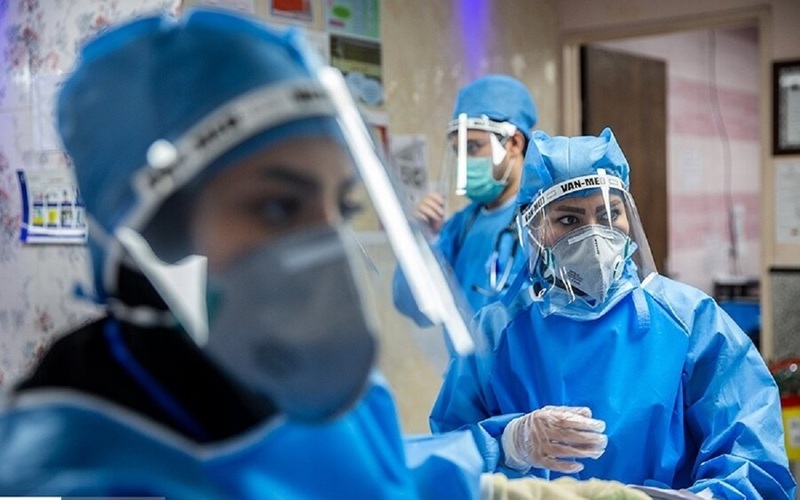

Official figures reveal rising nurse migration, resignations, and retirements, raising concerns about patient care, medical errors, and the future of Iran’s healthcare system.
Iran’s healthcare sector is facing a growing workforce crisis as increasing numbers of nurses leave their jobs, retire, or emigrate abroad. Newly released official statistics from the Ministry of Health have once again drawn attention to the severe shortage of nursing staff across the country, highlighting a challenge that government officials themselves now acknowledge as a threat to the healthcare system.
The latest figures indicate that the loss of nursing personnel continues despite ongoing recruitment efforts. At a time when hospitals and medical centers are already struggling with staff shortages, the migration of nurses has become one of the most pressing issues facing Iran’s healthcare sector.
According to Abbas Abadi, Deputy Minister of Health for Nursing Affairs, 1,800 nurses left the profession during the past year, while another 800 resigned from their positions. In addition, 380 nurses emigrated from Iran, seeking opportunities abroad. These figures were reported by state-affiliated media outlets on June 13, 2026.
The statistics paint an even more concerning picture when combined with the retirement of 1,600 nurses and the postponement of service obligations for approximately 2,400 nursing graduates. Together, these developments reflect the mounting pressure on an already overstretched healthcare workforce.
Staff Shortages Fuel Burnout and Migration
Abadi identified the shortage of nursing personnel as the most significant challenge facing the sector. According to his assessment, inadequate staffing levels have contributed directly to professional burnout, increased resignations, and the continuing migration of nurses.
He noted that Iran’s low nurse-to-hospital-bed ratio, combined with retirements and growing numbers of unpaid leave requests, has placed additional burdens on healthcare workers who remain in service. Many hospitals increasingly rely on mandatory overtime and extended shifts to compensate for the lack of personnel.
Healthcare professionals and labor advocates have repeatedly warned that difficult working conditions, heavy workloads, limited professional opportunities, and economic pressures are driving many experienced nurses to seek employment outside the country.
As the exodus continues, hospitals are left with fewer experienced staff members, further increasing the workload on those who remain and creating a cycle of exhaustion and workforce depletion.
A Costly Loss of Human Capital
The regime’s Ministry of Health has also highlighted the financial consequences of nurse migration. According to Abadi, each nurse who leaves the country represents an estimated annual loss of 40 billion rials in educational and training investments.
These losses reflect years of public spending devoted to preparing highly skilled healthcare professionals whose expertise ultimately benefits foreign healthcare systems rather than Iran’s own medical infrastructure.
The departure of trained nurses not only reduces the available workforce but also deprives healthcare institutions of valuable experience and institutional knowledge that cannot be quickly replaced through new recruitment.
Growing Risks to Patient Care
Perhaps the most alarming aspect of the government’s assessment is the recognition that nursing shortages now pose a direct threat to public health.
Abadi warned that insufficient staffing levels could contribute to higher mortality rates, increased medical and nursing errors, and rising healthcare costs for patients. He emphasized that the nursing crisis should no longer be viewed merely as a professional or labor-related issue but as a matter affecting the quality and safety of healthcare services nationwide.
The reduction in active nursing personnel places greater pressure on remaining staff, potentially affecting patient monitoring, treatment quality, and overall standards of care.
Healthcare experts have long argued that adequate nurse staffing is one of the most important factors influencing patient outcomes. Persistent shortages can increase workplace fatigue, reduce efficiency, and heighten the risk of mistakes in critical medical settings.
Recruitment Alone May Not Solve the Crisis
In response to growing concerns, the Ministry of Health announced that authorization had been granted to recruit 12,000 additional nurses during the past year. While the measure may help alleviate some immediate staffing pressures, many healthcare specialists argue that recruitment alone will not resolve the underlying problems.
The continued migration of experienced nurses means that hospitals often lose highly trained professionals faster than they can replace them. New hires frequently require years of practical experience before they can fill the roles vacated by veteran staff members.
Abadi acknowledged that retaining nurses requires more than salary increases alone. Drawing on international experience, he noted that professional development opportunities, organizational support, workplace conditions, and broader social factors all play critical roles in encouraging healthcare workers to remain in the profession.
A Warning Sign for Iran’s Healthcare Future
The official statistics released by the Ministry of Health demonstrate that Iran’s nursing shortage has evolved into one of the most serious challenges confronting the country’s healthcare system. The combination of migration, resignations, retirements, and workforce burnout continues to weaken hospitals and medical centers at a time of growing healthcare demands.
Significantly, government officials themselves now describe the shortage of nursing personnel as a threat to healthcare security. Such warnings underscore the scale of the crisis and the potential consequences for patients across the country.
Unless effective measures are implemented to improve working conditions and retain skilled healthcare professionals, the ongoing loss of nurses is likely to place even greater strain on hospitals, reduce access to medical services, and further undermine the quality of patient care in Iran.
The continued departure of trained healthcare workers represents not only a loss of human capital but also a growing challenge to the long-term stability and effectiveness of the nation’s healthcare system.