


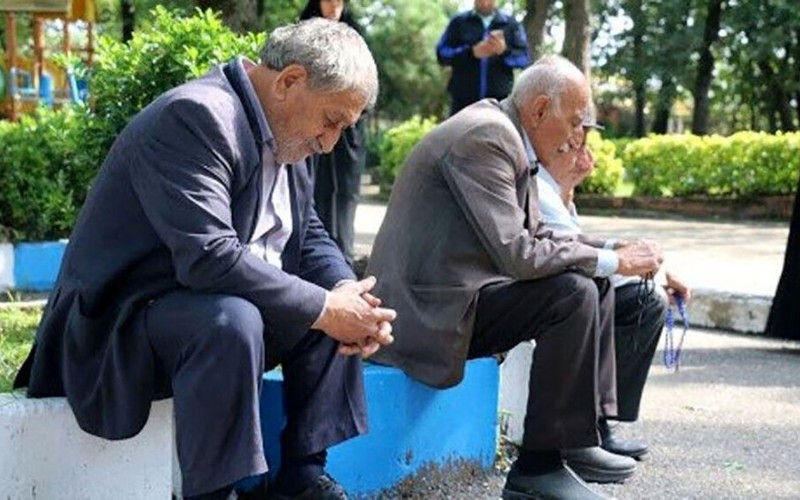

Rising budget allocations fail to address unpaid government debts, shrinking insurance coverage, and a wave of nationwide protests by retirees.
Iran’s pensioners are once again sounding the alarm over a worsening crisis in livelihoods, healthcare access, and the government’s failure to honor financial commitments to the country’s pension funds. From 21 September until this Monday, retirees affiliated with the Social Security Organization held 12 protests across multiple cities, a continuation of months of escalating frustration.
The renewed mobilization comes as policymakers prepare for negotiations over pension increases for 2026. Despite nominal growth in budget allocations for various retirement funds in the 2025 fiscal year, retirees argue that these measures fail to address structural deficiencies—especially the government’s mounting unpaid debts.
According to parliamentary research data on the 2025 budget, allocations have risen sharply:
- The Civil Servants Pension Fund received a 54 percent increase, reaching 393.9 trillion tomans.
- The Armed Forces Social Security Organization saw a 36 percent increase to 179.7 trillion tomans.
- The Steel Pension Fund’s allocation grew by 33 percent to 16.4 trillion tomans.
- The Ministry of Intelligence Pension Fund received a 40 percent increase to 2.8 trillion tomans.
Additionally, 185 trillion tomans were earmarked for harmonizing pensions across several major funds—a figure reflecting a 270 percent increase from the previous year.
Yet these increases stand in stark contrast to the government’s ongoing failure to settle its legally mandated debts. For 2025, the government was required to pay 200 trillion tomans to the Social Security Organization. However, only 185 trillion tomans were approved by the cabinet, and of that, merely around 70 trillion tomans—issued in the form of bonds—has been realized to support healthcare, supplemental insurance, and retirees’ medication needs.
As a result, pensioners are experiencing severe reductions in access to healthcare. One of the most urgent grievances concerns strict caps on insurance coverage, which have effectively pushed retirees to forgo medical treatment altogether. Pensioners note that insurance contributions were intended to guarantee free or comprehensive healthcare in retirement, yet the system now imposes restrictive ceilings that undermine this basic expectation.
Retirees warn that unless the government addresses unpaid debts, removes coverage caps, and stabilizes pension payments in real terms, the crisis will continue to fuel nationwide unrest.