



Reports of narcotics and psychotropic drugs being sold through some herbal medicine shops expose a dangerous gap between public health needs and regulatory enforcement in Iran.
Iran’s herbal medicine shops, traditionally associated with medicinal plants, spices and herbal remedies, are increasingly being accused of serving a very different purpose: the retail distribution of narcotics and psychoactive drugs.
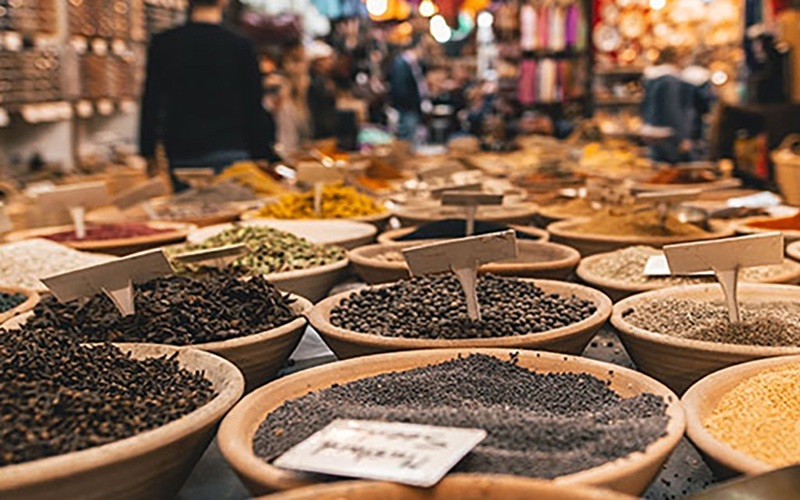
Behind displays of herbal teas, spices and bottles of herbal extracts, some shops reportedly sell substances ranging from methadone and tramadol to buprenorphine, opium syrup, hallucinogenic pills and unknown mixtures marketed as treatments for addiction, weight loss or other ailments.
The most disturbing aspect of these reports is the alleged accessibility of such substances to young people and even teenagers. According to accounts from addiction-treatment professionals and civil activists cited in Iranian reports, some of these shops have effectively become part of a street-level drug distribution network.
One observer described the situation bluntly: “They hand methadone and tramadol to people’s children like candy, and there is no one to stop them.”
From Herbal Remedies to Narcotics
The reported expansion of illicit activity in some herbal medicine shops is particularly striking given Iran’s deteriorating economic conditions. Many small businesses are struggling to survive, yet the number of herbal medicine shops continues to grow in some areas.
Police reports on seizures provide an indication of the scale of the problem. Authorities have repeatedly announced the discovery of methadone, tramadol, buprenorphine—commonly known as “B2”—opium or opium syrup, hallucinogenic tablets, traditional narcotics and homemade preparations containing unknown substances.
On August 4, police reportedly announced the seizure from an herbal medicine shop in eastern Tehran of 4,600 methadone tablets, 4,500 tramadol tablets and 1,200 B2 tablets, along with 11 kilograms of methadone and opium syrup.
Several months earlier, authorities reported the seizure of 19,000 methadone, tramadol and B2 tablets and 12 kilograms of opium residue from a shop in southern Tehran.
In another case in Takestan, police reportedly seized 16,000 tablets, 240 bottles of methadone syrup and 225 bottles of opium syrup from an herbal medicine shop.
These are not isolated substances appearing in isolated cases. The repeated appearance of the same drugs in police seizure reports from different cities suggests a broader distribution pattern.
The Question of Enforcement
The scale and geographical spread of these seizures raise a fundamental question: how can such operations continue when, according to local accounts, residents often know which shops are selling narcotics?
An addiction-treatment activist in Tehran reportedly questioned whether law enforcement could genuinely be unaware of such activities when they are known to residents of the same neighborhoods.
This raises concerns about more than individual shop owners. If illicit drug sales can operate openly enough to become common knowledge in local communities, the problem may point to serious weaknesses in regulatory enforcement and oversight.
The contrast becomes even more troubling when viewed alongside the treatment of other businesses and activities involving young people.
The activist cited cases in which cafes have been closed or subjected to strict measures, while herbal medicine shops allegedly selling tramadol or other drugs continue operating. In another account, several young people were reportedly arrested and beaten after consuming cannabis in a local Tehran park, while the herbal medicine shop located only meters away and allegedly responsible for selling the substance continued operating.
Whether every individual allegation can be independently established or not, the recurring police seizure reports point to a serious public-health and regulatory concern that authorities cannot dismiss as a handful of isolated violations.
The Cost of Pseudo-Science
The problem also intersects with the regime’s broader promotion of traditional medicine and unregulated health claims.
According to an addiction-treatment activist cited in the source material, the aggressive promotion of traditional medicine and the growing space given to unscientific treatment claims have blurred the boundaries between legitimate herbal remedies, medical treatment and unregulated products.
Some herbal medicine shops have reportedly moved beyond selling plants and spices into recommending treatments and distributing products whose ingredients are unknown or inadequately controlled.
This creates a dangerous environment in which consumers may assume that a product is safe simply because it is sold under the label of an herbal medicine shop.
The danger is particularly acute when substances with significant dependence and overdose risks are involved.
Seven Thousand Methadone Poisoning Deaths
The potential scale of the public-health crisis is highlighted by figures cited by Seyed Mohammad Jamalian, a member of the regime’s parliamentary Health and Treatment Commission.
According to Jamalian, 7,000 deaths from methadone poisoning were recorded in a single year, and more than 60 percent of the victims reportedly obtained the methadone they consumed from herbal medicine shops.
Jamalian described some herbal medicine shops as a threat to public health, saying that the sale of chemical and hormonal medicines, dangerous narcotics such as methadone tablets and syrup, weight-loss and weight-gain pills, and products containing amphetamines and corticosteroids continues in these establishments.
If accurate, these figures point to a public-health emergency extending far beyond the question of illegal retail activity.
A Crisis Hidden Behind the Shop Window
The most disturbing feature of this crisis is the apparent disconnect between what is visible to the public and what may be happening behind the counter.
Herbal teas, spices and traditional remedies provide a legitimate appearance. But according to repeated police reports and testimony cited by Iranian activists, some shops are allegedly functioning as retail points for powerful narcotics and psychoactive substances.
At the same time, publicly reported police actions generally focus on seizures and the arrest of individual shopkeepers. The available reports cited here provide little information about whether the larger supply networks behind these operations are being systematically identified and prosecuted.
That gap matters.
A serious response would require more than occasional seizures. It would require transparent regulation, effective inspection, prosecution of organized distributors, protection of young people, scientifically grounded addiction treatment and rigorous control over the sale of pharmaceuticals and psychoactive substances.
The issue is ultimately not about herbal medicine itself. It is about the exploitation of a legitimate commercial category as a cover for potentially dangerous drug distribution—and about the consequences when weak oversight allows that practice to continue.
For Iranian families, particularly those with children and teenagers, the stakes are enormous. When highly addictive or potentially lethal substances become accessible through ordinary neighborhood shops, the line between a public-health failure and a social catastrophe becomes increasingly difficult to ignore.