



The president of Iran’s Tarbiat Modares University has highlighted a worrying trend: the global scientific rankings of Iranian universities are in decline due to severe financial constraints. In an interview with ISNA on November 30, Yusef Hojjat pointed to the universities’ falling positions in the Shanghai Academic Ranking of World Universities as a stark indicator of this decline.
“All university budgets are consumed by routine expenditures such as salaries, dormitories, and food,” Hojjat explained. “This leaves almost no funds for essential academic activities like research.” He emphasized that Iran’s broader economic challenges have eroded the purchasing power of funds allocated to higher education, leaving universities with insufficient resources for research and innovation.
Iranian Universities’ Declining Global Standing
The Shanghai Academic Ranking of World Universities, a respected metric managed by Shanghai Jiao Tong University, evaluates institutions based on four key criteria:
- Quality of education
- Quality of faculty
- Research output
- Per capita academic performance
In the most recent 2024 rankings, most Iranian universities saw significant drops. For example:
- University of Tehran: Fell from 301–400 in 2022 to 401–500 in 2023 and 2024.
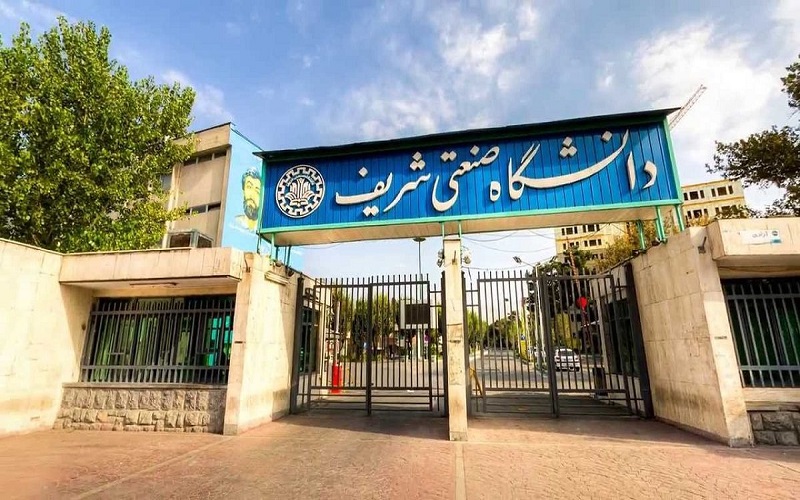
- Sharif University of Technology: Dropped from 601–700 to 701–800.
- Amirkabir University of Technology: Plummeted from 601–700 to 901–1000.
Regional Comparisons
Despite these declines, Iran maintains a notable presence in the rankings among Islamic countries, trailing only Saudi Arabia and Turkey. Saudi Arabia leads with 12 universities in the rankings, followed by Turkey with 10 and Iran with 9.
The Role of Faculty Migration in the Decline
One major factor impacting university rankings is the quality and availability of academic staff. Iranian officials have linked the drop in rankings to the increasing emigration of faculty members. Hossein Simaei Saraf, Iran’s Minister of Science, Research, and Technology, previously warned that this “mass migration” of professors not only undermines the quality of education and research but also risks replacing experienced staff with less qualified individuals.
Saraf described the situation as “alarming,” noting that 25% of university professors have emigrated in recent years, with many showing no intention of returning. This brain drain has been exacerbated by both economic and political factors, with universities struggling to offer competitive salaries and stable working conditions.
Political Pressures and Faculty Dismissals
Beyond financial woes, political interventions have further destabilized Iran’s academic institutions. Since the start of Ebrahim Raisi’s presidency in 2021, and particularly during the 2022 protests, there has been a wave of dismissals targeting professors viewed as politically or ideologically incompatible with the regime. In September 2023, Etemad newspaper reported that 52 professors had been dismissed, reflecting a systematic effort to control academia.
Conclusion
The declining global rankings of Iranian universities underscore the dual challenges of financial hardship and political interference. With reduced budgets for research and an exodus of faculty talent, the academic future of Iran appears increasingly uncertain. Addressing these issues will require not only economic reforms but also a shift in political attitudes to safeguard the integrity and independence of Iran’s higher education system. Without meaningful change, the nation’s universities risk further marginalization on the global stage.