


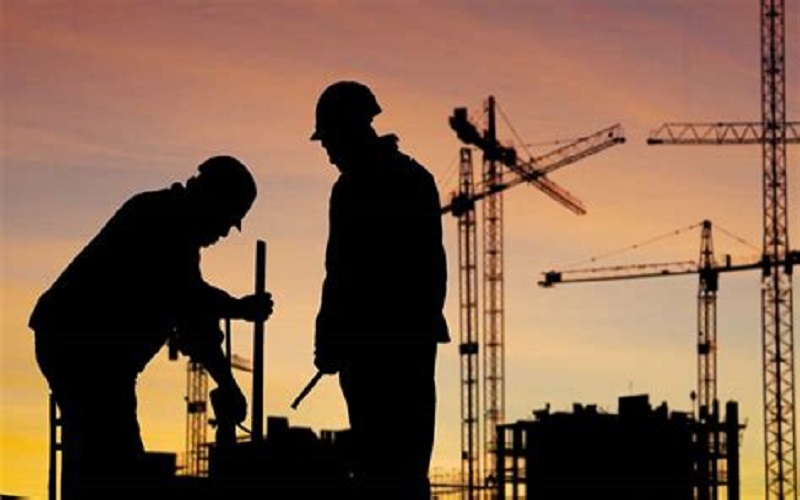

In Iran, workers, who form a crucial part of the nation’s workforce and contribute significantly to the country’s production and development, are facing increasing challenges. These hardworking individuals are grappling with mounting dissatisfaction and livelihood issues, rooted in complex economic, social, and political factors.
Income Disparity and Cost of Living
One of the most pressing issues for Iranian workers is the stark mismatch between their income and the cost of living. According to official statistics and statements from regime institutions, the poverty line in Iran is estimated at around 30 million tomans per month. However, many workers earn merely between 16 and 17 million tomans monthly, leaving a significant gap that makes it nearly impossible for working families to meet their basic needs.
The Social Security Organization reports that approximately 14 million people in Iran are insured, which, considering an average family size of three, accounts for about 42 million people or roughly 50% of Iran’s population.
Rising Costs and Inflation
The basic living expenses, including housing, food, healthcare, education, and other necessities, have become increasingly difficult for many workers to afford. Market price hikes, inflation, and reduced purchasing power have placed tremendous financial strain on these hardworking individuals. This situation not only diminishes the quality of life for workers but also leads to job insecurity and psychological stress.
Wage Issues and Skilled Worker Migration
The wage problem in Iran has created a complex situation. Employers are reluctant to pay higher wages, while skilled workers are unwilling to work for low pay. This has resulted in a significant brain drain, with many skilled professionals, including medical staff and IT specialists, leaving Iran in search of better-paying opportunities abroad.
Labor Shortage and Foreign Workers
The exodus of skilled workers has led to a labor shortage in various sectors. Consequently, employers have resorted to hiring foreign workers from countries such as Afghanistan, Bangladesh, and the Philippines to fill the gap left by departing Iranian workers.
Government Acknowledgment and Lack of Action
Some government officials, particularly members of parliament, have begun to acknowledge the livelihood problems faced by workers, fearing potential protests. However, concrete and effective measures to improve workers’ living conditions remain scarce, further fueling dissatisfaction.
A member of parliament, Salman Eshaghi, recently highlighted the lack of welfare infrastructure for workers, stating, “Why do we reduce workers’ rights in some cities without providing them with any welfare infrastructure, neither gyms nor hospitals or treatment facilities?”
Potential Solutions and Government Priorities
To address these issues, several measures could be implemented:
- Increasing salaries and benefits
- Controlling inflation
- Creating sustainable job opportunities
- Reforming the social security system
However, critics argue that the regime seems more focused on missile and nuclear projects rather than addressing the needs of its citizens. An MP challenged this approach, saying, “Instead of looking for missile production, let’s see where justice has not been established, and where people’s rights are ignored.”
The Impact of Government Spending
The regime’s expensive policies and involvement in regional conflicts have exacerbated economic crises, leading to further deterioration of people’s lives. Critics argue that these expenditures, which do not serve the comfort, well-being, and livelihood of the people, are pushing the lives of hardworking Iranians, especially workers, to the brink.
Conclusion
The ongoing protests by workers and other segments of society stem from unmet demands that the regime appears unwilling or unable to address.
As long as the regime prioritizes its own survival over the welfare of its citizens, it is unlikely that the situation will improve or that the demands of the people, particularly the workers, will be met.
This growing crisis underscores the need for significant changes in government priorities and policies to ensure the well-being of Iranian workers and the nation’s economy as a whole.