


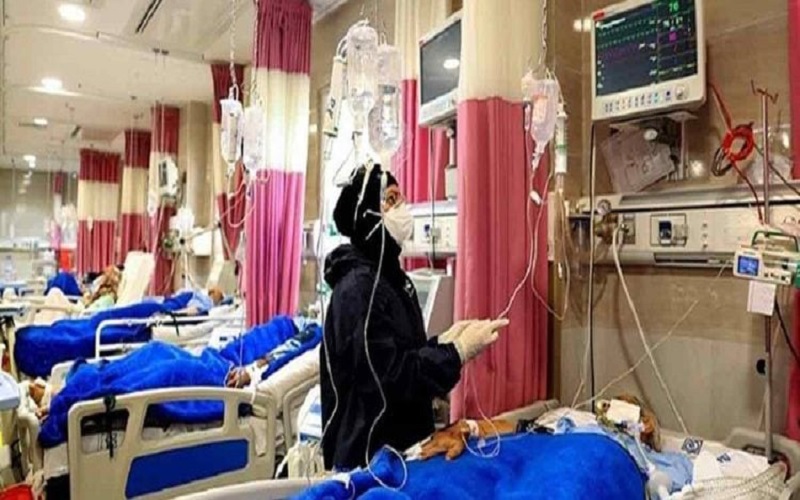

The potential collapse of Iran’s healthcare system due to the deterioration of its hospitals presents a significant challenge.
Warnings from health professionals emphasize the urgent need to address hospital-acquired infections, which remain a leading cause of death in the country.
Despite this, the regime has failed to provide transparent statistics on the issue. However, independent studies estimate the prevalence of these infections in Iran to be between 0.32% and 1.9%—a troubling figure that underscores the gravity of the situation.
Deteriorating Hospital Infrastructure
A report from state-run media reveals that 70% of Iran’s hospitals are in a dilapidated state. This widespread neglect is a primary factor contributing to hospital-acquired infections. The degradation of hospital infrastructure poses a severe threat to public health, leading to preventable casualties and jeopardizing the lives of patients seeking treatment.
Condition of Hospital Beds
The condition of hospital beds exemplifies the crisis. Many are worn out, increasing the risk of infection and mortality among patients. Modernizing hospital equipment and facilities is imperative to improve the healthcare system. Currently, nosocomial infections—those contracted 48 hours after hospitalization or within 72 hours post-discharge—are rampant. These infections, exacerbated by the deteriorated state of medical equipment and facilities, can lead to severe complications and death.
Systemic Corruption and Mismanagement
The root cause of this crisis extends beyond physical wear and tear; it is deeply intertwined with systemic corruption and mismanagement by the regime. Embezzlement, theft, and corruption have siphoned off billions of dollars that could have been invested in healthcare infrastructure. For instance, out of the 155,000 hospital beds in Iran, over 70% are in poor condition. Experts estimate that refurbishing just 50,000 of these beds would cost approximately 150 trillion tomans, with an annual budget of 30 trillion tomans needed to maintain the improvements.
Shortage of Hospital Beds
Dr. Minoo Mohraz, a professor at Iran University of Medical Sciences, highlighted the acute shortage of hospital beds in an interview with Sharq daily. She noted that Iran currently has a per capita hospital bed ratio of 1.8 per 1,000 people, far below the World Health Organization’s standard of 3 beds per 1,000 people. This shortage is particularly severe in intensive care units, forcing patients to be treated in hospital corridors if the current trend continues.
Migration of Medical Staff
Another pressing issue is the migration of medical staff, driven by low salaries and poor working conditions. Dr. Mohraz emphasized that improving the living and working conditions of healthcare professionals is crucial to stemming this exodus. However, under the current regime, achieving these improvements seems unlikely.
Comprehensive Challenges
Sharq media’s analysis concludes that Iran’s health system faces multiple challenges, including inadequate hospital beds, outdated medical equipment, medicine shortages, and the emigration of medical staff. Addressing these issues requires comprehensive planning, substantial investment, and collaboration between the public and private sectors.
Health Safety Index
The Health Safety Index (HSI) further illustrates the severity of the problem. This index, which measures the safety of hospitals, rated Iran’s hospitals at 36 out of 100 in recent years—a disastrous score. This alarming statistic highlights the urgent need for action, yet the regime remains indifferent to the plight of the Iranian people.
Iran’s healthcare system is at a critical juncture. Without immediate and decisive action to renovate hospital infrastructure and improve conditions for medical staff, the health of millions of Iranians will remain at risk.