


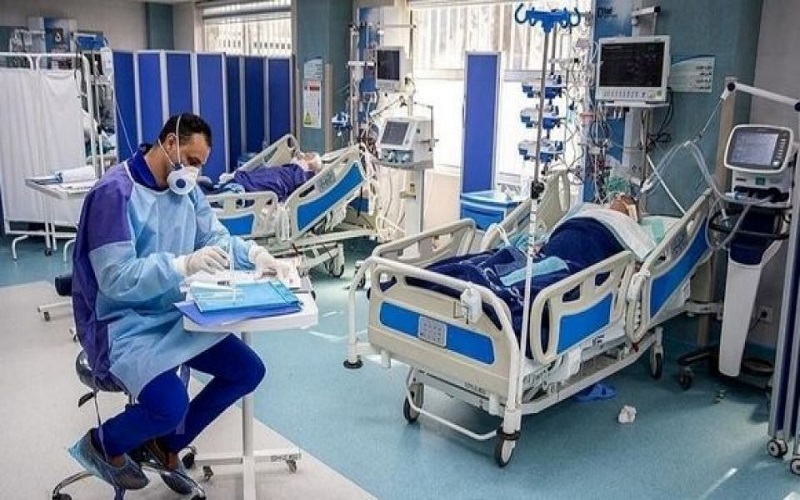

As Iran grapples with an energy supply challenge due to soaring temperatures, reports of power outages in medical centers have raised alarms about the safety and continuity of healthcare services across the country.
On July 24, Tejarat News reported a power outage at Khomeini Mahalat Hospital in Central Province, affecting 18 patients undergoing hemodialysis. A patient’s companion described the severity of the situation: “A power cut to the dialysis machine means a severe shock to patients. The blood removed from the patient’s body for purification is returned with the help of this device. When power is cut, this cycle stops.” The outage lasted over 15 minutes, during which some attendants manually operated the dialysis machines to minimize risk to patients.
This incident is not isolated. On July 27, the president of Gilan University of Medical Sciences announced the dismissal of Pirouz Lahijan Hospital’s president following a similar power outage.
The crisis extends beyond healthcare. Ali Akbar Mehrabian, Iran’s Minister of Energy, warned on July 27 that the heatwave has significantly increased electricity consumption, making power production and supply more challenging. While the average annual growth in electricity consumption was previously around 4%, it has now exceeded 8% and is expected to reach 9% in the coming days.
Tejarat News highlighted that power cuts in hospitals can lead to the failure of critical devices in vital departments such as ICU, CCU, and dialysis units, particularly affecting smaller towns. The news outlet emphasized the need for reliable backup generators in medical centers, especially given the outdated equipment in many government hospitals.
The unprecedented heat has forced the closure of government centers, offices, and banks across Iran on July 28. The country’s meteorological organization predicts that from the second half of the following week, extreme heat will blanket almost all regions of Iran.
Mostafa Rajabi Mashhadi, CEO of Tavanir Company, stated on July 25 that the temperature increase, averaging between 1.5 and 2 degrees higher than the same period last year, has put double pressure on the country’s electricity grid.
Emergency physician Mehrdad Moniri warned that worn-out generators and power outages in government hospitals could be catastrophic. He suggested that instead of opening new hospitals without adequate staffing, the Ministry of Health should allocate funds to equip existing government hospitals.
These power-related issues in healthcare facilities are not new. Similar incidents have been reported in recent years, including an 11-hour outage at Razi Ahvaz Hospital in June 2023 and another at Qasem Soleimani Hospital in in August of the same year.