

Iran is facing a severe climate crisis, with temperatures rising at an alarming rate over the past three decades. According to Mehdi Rahnama, head of the Research Institute of Meteorology and Atmospheric Sciences in Iran, the country has experienced a 2.7°C increase in air temperature over the last 30 years. This rise significantly exceeds the 1.5°C limit emphasized by the Intergovernmental Panel on Climate Change (IPCC).
Temperature Trends and Climate Change
Rahnama provided a stark overview of the temperature trends in Iran:
- In the 1980s, the average air temperature was about 16°C.
- This increased to 18°C in the 1990s.
- Since 2021, the average temperature has consistently exceeded 19°C.
These rising temperatures, coupled with decreased precipitation, are clear indicators of climate change in the region. The consequences are far-reaching, including more frequent and severe droughts, increased soil fragility, and a higher likelihood of dust storms.
Energy Crisis and Power Outages
The unprecedented heat wave in August 2024 has led to widespread blackouts and power cuts across Iran, triggering protests from citizens and business owners. The crisis has also resulted in water shortages in many regions. In response, authorities have reduced working hours and closed offices in more than 15 provinces, highlighting the inability of power plants to meet the surging electricity demand.
The Ministry of Energy reports that electricity consumption in the first half of June broke previous records multiple times due to the extreme heat. This situation underscores the urgent need for a more resilient and diversified energy infrastructure.
Air Pollution and Its Impact
Rahnama also highlighted the role of air pollution in exacerbating the warming trend. The increase in particulate matter, especially particles smaller than 2.5 and 10 microns, creates a layer of pollution that traps heat in the lower atmosphere. This phenomenon prevents heat from escaping into the upper atmosphere, further raising surface temperatures.
Renewable Energy: A Potential Solution
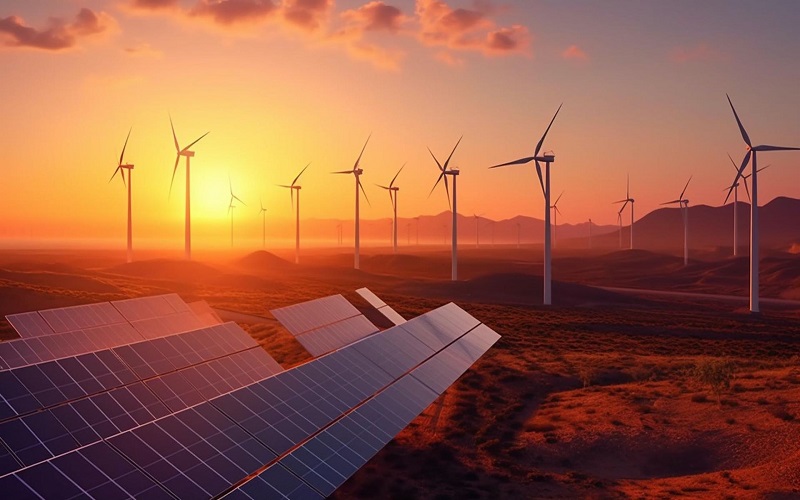
To address these challenges, Rahnama emphasized the importance of embracing renewable energy sources. He noted that Iran has significant untapped potential for both wind and solar energy:
- The Jirande area in Gilan province could potentially produce over 1,300 megawatts of wind energy annually, surpassing the 1,000-megawatt capacity of the Bushehr nuclear power plant.
- Other regions such as South Khorasan, North Sistan and Baluchistan, Ilam, and cities like Khaf, Sarbisheh, and Binalud also have substantial wind energy potential.
- Southern areas of Tehran could generate thousands of megawatts of solar energy.
Despite these opportunities, Rahnama lamented that insufficient progress has been made in harnessing renewable energy sources.
Investment Challenges
The current energy crisis is partly attributed to decreased investment in the electricity sector. Private sector investment in the industry has plummeted from $6.2 billion in 2011 to a mere $600 million in 2021, indicating a significant decline in Iran’s electricity infrastructure.
Rahnama emphasized that renewable energy projects, such as solar or wind power plants, are more cost-effective and quicker to implement compared to fossil fuel or nuclear power plants. This makes renewable energy an attractive solution to Iran’s growing energy deficit.
In conclusion, Iran faces a critical juncture in its battle against climate change and energy shortages. The adoption of renewable energy sources and increased investment in sustainable infrastructure appear to be crucial steps in addressing these pressing challenges.