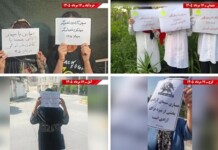
Following the execution of two opposition figures, coordinated operations by PMOI Resistance Units signal a shift from fear to organized defiance against the Iranian regime.
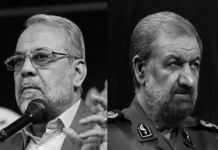
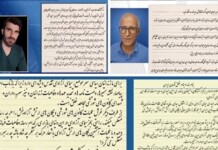
In the early hours of April 20, the Iranian regime executed two opposition figures, Commander Hamed Validi and Mohammad Masoum-Shahi, in an apparent attempt to reassert control through fear and intimidation. However, the immediate aftermath reveals a starkly different outcome—one marked by escalation rather than deterrence.
Within less than 24 hours, the People’s Mojahedin Organization of Iran (PMOI/MEK) Resistance Units carried out a series of coordinated operations across the country, described as “Ten Fiery Responses.” These actions directly targeted symbols and instruments of repression, signaling a growing level of organization and resolve within the opposition.
The operations spanned multiple provinces and cities, each with specific targets:
- Dehdasht (Kohgiluyeh and Boyer-Ahmad Province): An explosion and gunfire targeted a judiciary facility associated with the regime’s repressive system, accompanied by slogans in support of the National Liberation Army of Iran.
- Tehran (Parand): A police patrol vehicle stationed at Police Station 17 was destroyed in an explosion.
- Rasht: Another law enforcement patrol vehicle was targeted and destroyed.
- Ghahderijan (Isfahan Province): An explosion struck a site identified by activists as a center of corruption linked to regime institutions and the Islamic Revolutionary Guard Corps (IRGC).
In parallel with these direct attacks, Resistance Units carried out symbolic acts aimed at undermining the regime’s ideological authority:
- Shiraz: Images and symbols of Ruhollah Khomeini were set on fire in multiple locations.
- Shahrekord: A banner of Khomeini was burned.
- Talesh: A large billboard of Ali Khamenei was set ablaze.
- Ramhormoz: Banners of Khamenei were burned.
- Semirom: Two banners of Khamenei were destroyed by fire.
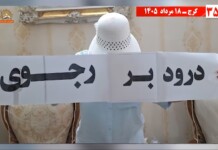
These coordinated actions were accompanied by messaging that underscores a hardening stance within the opposition. Slogans such as “We neither forgive nor forget” and “Severe punishment awaits you” reflect a shift toward sustained confrontation.
The Iranian regime’s response further highlights its concern. Ahmad-Reza Radan, commander of the State Security Forces, appeared on state television issuing blunt threats. He stated that anyone responding to what the regime calls “enemy calls” would be treated as enemies, explicitly declaring that authorities would no longer distinguish between protest and armed opposition. He also disclosed the seizure of more than 3,000 weapons, an indication of the scale of perceived internal threats.
This reaction is significant. For decades, the regime has relied on executions and widespread repression as a deterrent. Yet the rapid emergence of coordinated retaliatory actions suggests that this strategy is losing effectiveness. Instead of suppressing dissent, executions appear to be fueling further mobilization.
The role of PMOI Resistance Units in these developments is central. Their ability to carry out near-simultaneous operations across geographically distant locations points to an organized network capable of both symbolic and operational impact. More importantly, it reflects a broader transformation within Iranian society—where fear is increasingly replaced by defiance.
The executions of Validi and Masoum-Shahi have thus taken on a different significance. Rather than silencing opposition, they have become rallying points, reinforcing a narrative of resistance and continuity. Activists portray these figures as symbols whose influence persists through ongoing acts of defiance.
Iran now faces a deepening confrontation between a regime dependent on coercion and a growing movement that appears less willing to be intimidated. The spread of these “Ten Fiery Responses” across cities—from Dehdasht to Tehran, and from Shiraz to Isfahan province—demonstrates that unrest is not isolated but increasingly coordinated.
What emerges is not merely a series of incidents, but a changing dynamic: a contest of willpower between state authority and organized resistance. And based on current developments, the balance may be shifting.