
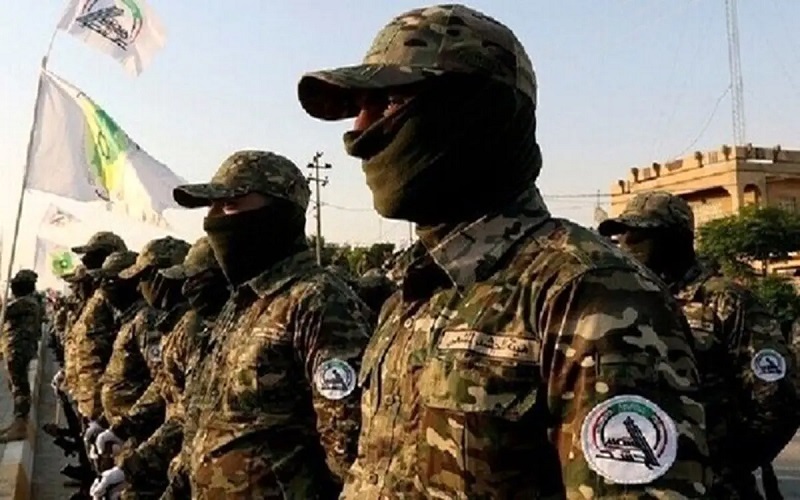

Tehran expands internal repression by assigning foreign proxy forces to strategic regions amid rising unrest and security concerns
As Iran faces intensifying political and security tensions, new reports indicate the implementation of a sweeping internal security strategy centered on the deployment of foreign militias inside the country. According to multiple sources, this plan reflects a calculated effort by the Iran regime to strengthen its grip on power amid growing fears of unrest and potential uprising.
A detailed report published by Alhurra on April 17, 2026, outlines the structure and objectives of this new security architecture, exposing what observers describe as a deliberate move to rely on non Iranian forces to manage internal crises.
Structured Deployment Across Strategic Regions
According to the report, the Islamic Revolutionary Guard Corps has established a three tiered security framework in which foreign militias play a central operational role. Forces affiliated with the Fatemiyoun Division, Zeynabiyoun Brigade, and Iraqi militia groups have each been assigned responsibility for specific areas inside Iran.
Fatemiyoun forces are reportedly deployed across central and northern regions, including Tehran. In eastern and southeastern areas, particularly Baluchestan, Zeynabiyoun units have been stationed. Meanwhile, Iraqi militias are positioned in western provinces such as Ilam, Kermanshah, and Kurdistan. Additional presence has also been reported in cities like Ahvaz.
This division suggests a deliberate and strategic placement of foreign proxy forces in sensitive and potentially volatile regions.
Operational Roles and Internal Security Functions
The foreign militias are not merely symbolic forces but are actively engaged in internal security operations. Their responsibilities reportedly include establishing checkpoints across urban neighborhoods and major roads, as well as guarding critical infrastructure and military installations.
More concerning are reports indicating their involvement in raids and arrests. These forces are said to detain civilians accused of links to opposition groups or foreign actors. Operating often in plain clothes, they function within parallel security networks, particularly in border and ethnically diverse regions.
Such activities point to a direct and expanding role for foreign militias in domestic repression.
Transfer of Forces and Combat Background
Sources and political activists told Alhurra that many of these fighters were previously stationed in Iraq and have been gradually transferred into Iran following recent regional developments. The transfer reportedly occurred via land routes, indicating prior logistical planning.
These militias bring with them extensive combat experience, having participated in the Syrian war and conflicts in Iraq. Their background in urban warfare has reportedly made them particularly suited for internal suppression operations.
Before entering Iran, many of these forces were based in facilities inside Iraq, including Camp Ashraf. This site, formerly associated with the People’s Mojahedin Organization of Iran and the National Liberation Army of Iran, was attacked multiple times under the Maliki government in coordination with the Iran regime, resulting in the killing of hundreds of opposition members. Following these events, militia elements were gradually relocated into Iran.
Strategic Objectives and Rising Concerns
The primary objective behind this deployment appears to be the containment of domestic protests and the prevention of organized dissent. The use of foreign militias as auxiliary forces suggests that the regime is preparing for crisis scenarios, including widespread unrest or potential armed confrontation.
However, this strategy has raised serious concerns. Analysts warn that these forces, lacking local ties and accountability, may be more prone to excessive violence against civilians. Their presence also signals a declining reliance on domestic security forces, pointing to deeper structural weaknesses inside the regime.
A Regime Increasingly Dependent on External Forces
The extensive deployment of foreign militias inside Iran presents a stark image of the country’s current security landscape. It underscores a growing dependence on external proxy forces to maintain internal control.
This approach not only reflects a crisis of trust in domestic institutions but also signals an escalation in repressive tactics against a restless population. In particular, it comes amid increased activity by organized resistance groups, including Resistance Units affiliated with the National Council of Resistance of Iran and the People’s Mojahedin Organization of Iran, which the regime increasingly views as a central threat.
At the same time, reports indicate a rise in executions of imprisoned members of these groups, further highlighting the regime’s reliance on coercion as it confronts mounting internal pressure.