


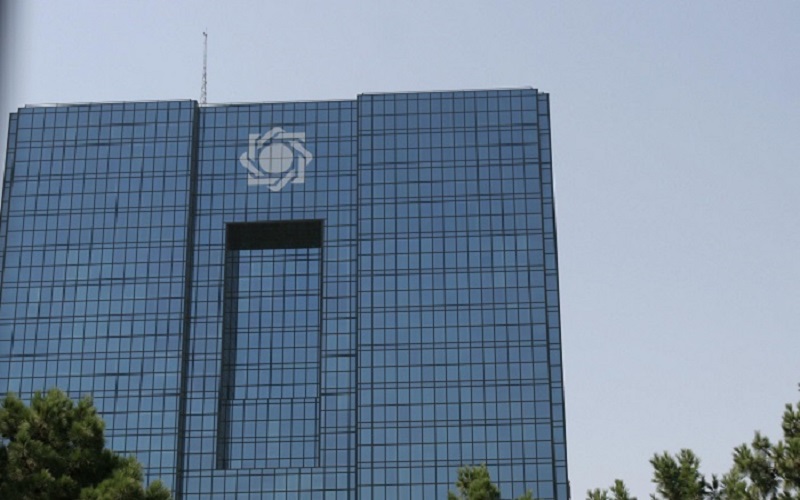

In its most recent report, the Central Bank of Iran announced that the country’s economic growth for the spring of this year stood at 3.2%, nearly half of the 5.7% growth recorded during the same period last year. This significant decline in economic performance is attributed largely to the sharp decrease in the added value of the oil sector, which fell from 16.5% last spring to 9.5% this year.
International organizations like the International Monetary Fund (IMF) and the World Bank had previously forecasted this downturn. Both predicted a sharp reduction in Iran’s economic growth for the current year, with the IMF projecting a further decline in 2024. The IMF estimated that Iran’s economic growth last year was 4.7%, but this figure is expected to drop to 3.3% this year and 3.1% next year.
The relatively robust growth of last year was primarily driven by two factors: a surge in oil production and exports, and an increase in government spending. However, these factors did not have a direct impact on improving the welfare of the population or boosting the country’s domestic industries. Instead, they were external factors that temporarily inflated growth figures without fostering long-term economic health.
OPEC data further supports the Central Bank’s findings, revealing that Iran’s oil production growth has plateaued since mid-spring this year. As a result, it is anticipated that the oil sector’s contribution to the economy will continue to shrink over the coming months, particularly when compared to the same period last year.
Both the 12th and 13th Iranian administrations had set an ambitious target of achieving 8% annual growth, as outlined in the sixth development plan. However, this target was not met. The seventh development plan, set to guide the country’s economy for the next five years, has once again emphasized the importance of reaching 8% growth.
To achieve this goal, Iran’s President, Masoud Pezeshkian, announced on August 31 that an investment of $200 billion would be required. He acknowledged, however, that the country only has access to $100 billion in domestic funds, meaning the remaining $100 billion must come from foreign investments. He noted that attracting this level of foreign capital would depend on improving Iran’s international relations, both with neighboring countries and with the global community.
Yet, despite these ambitions, UN statistics indicate that Iran attracted less than $1.5 billion in foreign direct investment last year, highlighting the significant gap between the country’s investment needs and its current ability to attract foreign capital.
As Iran navigates these economic challenges, the future remains uncertain. While government plans aim for robust growth, achieving these goals will likely depend on geopolitical developments and the country’s ability to engage with international markets.