


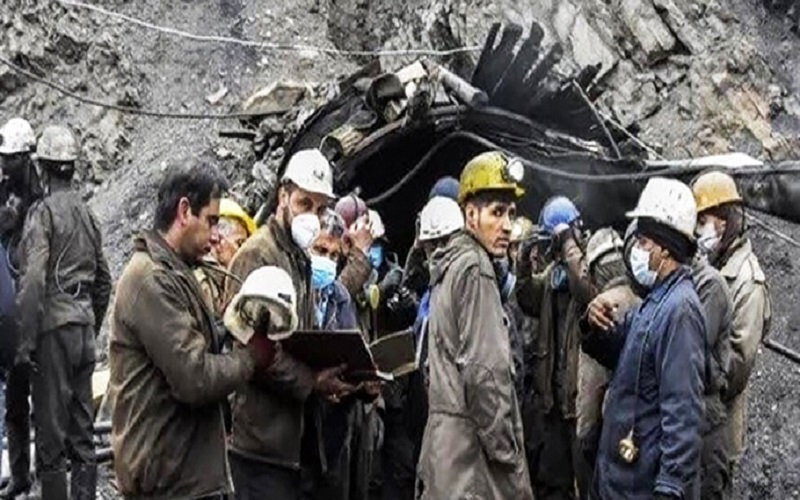

Iran’s coal mining industry has been marred by a series of tragic accidents and a persistent disregard for safety standards, resulting in preventable loss of life. Despite these incidents, industry practices continue to endanger miners’ lives, while structural flaws in the oversight system allow safety violations to go unchecked.
A History of Fatal Accidents
On August 14, 2009, the Ashkali Mine in Kerman Province witnessed a catastrophic collapse, entombing all miners within tunnel one. Rescue attempts were futile as hundreds of tons of soil and extreme heat proved fatal. Later, in May 2017, an explosion in the Yourt Azadshahr coal mine gained global attention, claiming the lives of 43 miners and injuring 70 others. Yet, Iran’s deadliest mining accident occurred on September 21, 2024, in the Tabas coal mine, where a gas explosion killed 52 miners and injured 20 more.
Findings from Parliamentary Investigations
A recent parliamentary investigation into the Tabas mine accident revealed systemic safety failures. The report cited several issues: outdated or unsuitable equipment, inadequate training, insufficient protective gear, and ineffective enforcement of safety regulations. In particular, the accumulation of toxic gases due to inadequate ventilation, lack of stable monitoring systems, and unauthorized drilling activities were identified as major contributors to the disaster. Human errors, exacerbated by poor working conditions and inadequate monitoring by responsible agencies, further amplified these risks.
The Minister of Labor acknowledged the widespread use of substandard, imported mining equipment as a significant factor in the recent tragedies, stating, “All imported mining equipment lacks standardization, which has not been properly defined by the responsible bodies.” Despite the apparent hazards, regulatory gaps persist, and accountability remains elusive.
Shortfall in Inspection and Oversight
A severe lack of inspectors compounds the risks faced by miners. In 2022, only 800 labor inspectors and 2,500 occupational health inspectors were assigned to oversee safety conditions in over 6,000 active mines across Iran, alongside more than 130,000 workers in the sector. Such limited oversight capacity undermines the enforcement of safety regulations, contributing to unchecked hazards in mining operations.
The Ministry of Labor’s Statistical Yearbook indicates that mining accounts for 2% of Iran’s workplace accidents, a significant figure considering the sector’s relatively small workforce.
Misallocation of Mining Royalties and Environmental Impact
Under Iranian law, the government collects royalties from mine owners, intended to benefit the local communities affected by mining activities. However, in practice, these funds are often diverted to other projects, leaving mining regions among the poorest in the country. Additionally, the environmental costs of mining — including deforestation, soil degradation, and increased pollution — exacerbate the challenges for local communities, leading to issues such as floods, dust storms, and water scarcity.
A Crisis of Equipment Standards and Worker Safety
Iran’s coal mining machinery is also significantly outdated, with around 28,000 of the country’s 37,000 machines exceeding a 15-year lifespan, far beyond their typical effective range of 5 to 15 years. This aging equipment, often two to three generations behind modern standards, reduces operational efficiency and increases the risk of fatal accidents.
The Iran Mine Coal House recently expressed alarm at the deteriorating safety conditions for coal miners, warning that the industry’s approach to worker welfare is “at its worst.”
Financial Hardships and Continued Safety Violations
Beyond physical risks, Iranian miners face financial hardships, receiving minimal wages despite the dangers of their work. In a recent pay slip published by a Tabas miner, the base monthly salary was approximately 7.4 million tomans, reaching around 12 million tomans with additional allowances for hazardous work and seniority. This income remains insufficient for many miners, who often feel trapped in unsafe working conditions out of economic necessity.
Despite the recent fatal incident at Tabas, state-run media outlet ILNA reported that mining operations resumed without implementing safety improvements. Workers, fearing unemployment, returned to the same unsafe environment. “The Tabas mine is operating again without basic safety facilities,” ILNA noted, emphasizing that no significant safety measures had been taken to prevent future accidents.
Lack of Legal Accountability
To date, no legal actions have been initiated against the private company owning the Tabas mine or the contractors responsible. A labor activist in Tabas emphasized the need for accountability, stating, “The government should enforce punitive measures against negligent employers to send a clear message that worker deaths carry serious consequences.”
Conclusion
Iran’s coal mining industry stands at a critical juncture, where continued negligence threatens not only miners’ lives but also the communities and ecosystems around them. Without urgent reforms to improve safety standards, enforce accountability, and prioritize the welfare of miners, Iran risks further loss of life and long-term economic and environmental harm.