


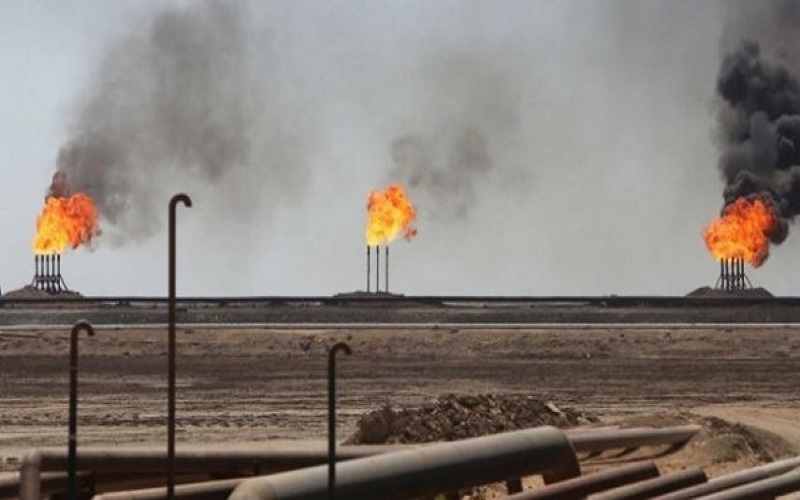

A complex smuggling operation involving heavy fuel oil, detailed in a report by Reuters, has emerged in Iraq, reportedly generating at least $1 billion annually for Iran and its allied groups. This sophisticated network, which has intensified since Iraqi Prime Minister Mohammed Shia al-Sudani took office in 2022, exploits government subsidies and Iraq’s fuel oil distribution policies to channel funds to Tehran and its proxies.
Subsidies and Smuggling
The operation revolves around allocating subsidized heavy fuel oil to asphalt plants, some of which inflate their requirements or exist solely on paper. According to Western intelligence reports and multiple sources, this fuel is then diverted, with up to 750,000 metric tons smuggled monthly. The fuel either blends with Iranian supplies to bypass U.S. sanctions or is exported outright using falsified documentation.
These activities have seen Iraqi heavy fuel oil exports surge to unprecedented levels, exceeding 18 million tons in 2023, more than double the figures recorded in 2021.
Routes and Beneficiaries
The smuggling network operates through two main routes:
- Blending with Iranian Fuel: By mixing Iraqi fuel oil with Iranian supplies, the operation disguises Iranian origins, enabling higher sale prices and evading sanctions.
- Direct Export with Forged Documents: Subsidized fuel is exported as other legitimate products, such as vacuum residue.
Key players benefiting from this scheme include Iranian-backed militias such as Asaib Ahl al-Haq (AAH) and Kataib Hezbollah, both closely tied to Iran’s Islamic Revolutionary Guard Corps (IRGC).
Geopolitical Implications
This network underscores Tehran’s economic reliance on Iraq as a strategic lifeline under heavy U.S. sanctions. Iran’s influence in Iraq extends to political and military spheres, with Shi’ite militias like AAH supporting Sudani’s government while facilitating smuggling operations.
The U.S. has expressed concerns about Iraq’s role in the illicit trade, raising the issue during Sudani’s recent visit to Washington. However, Iraq’s government faces challenges in addressing the smuggling due to its dependency on Iranian-backed groups for political stability.
Attempts at Reform
While Sudani’s predecessor, Mustafa al-Kadhimi, took steps to curb the illicit trade by reducing allocations and raising fuel prices, Sudani’s administration reversed many of these measures. Despite attempts to review plant capacities and adjust prices, subsidized fuel remains a lucrative source for smuggling networks.
Economic and Strategic Risks
The operation not only facilitates Iran’s circumvention of sanctions but also places Iraqi institutions at risk of punitive U.S. measures. Moreover, it highlights the broader challenge of corruption and state capture in Iraq, where influential groups manipulate state resources for personal and political gain.
As the smuggling persists, its financial and geopolitical ramifications are likely to attract increased international scrutiny, particularly from the United States.
Source: Reuters