


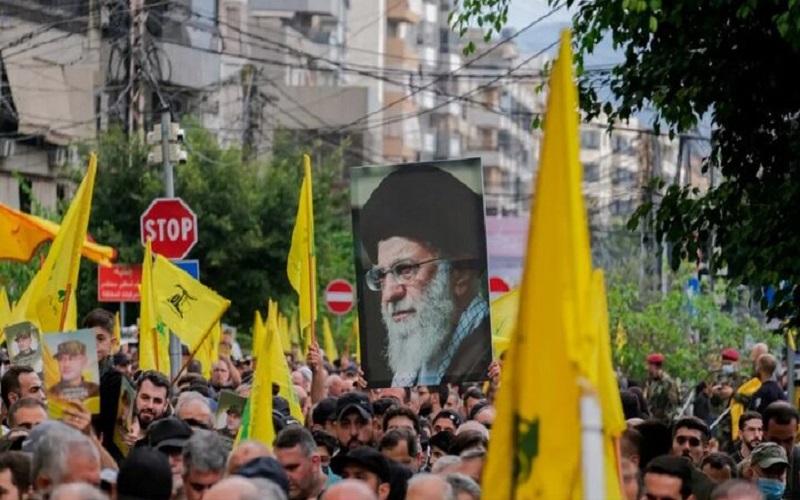

In a televised speech on Thursday, December 5, Naim Qassem, the Deputy Secretary-General of Lebanon’s Hezbollah, revealed the extent of Iran’s financial aid to proxy forces, including Hezbollah. Qassem announced that Iranian funds have been instrumental in providing substantial assistance to Lebanese families affected by war, offering between $12,000 and $14,000 per household in Beirut for reconstruction and rent. The total financial aid is expected to exceed $77 million, benefiting 233,500 families.
Hezbollah’s Gratitude for Iranian Support
Qassem explicitly thanked Iran’s Supreme Leader Ali Khamenei and the Islamic Revolutionary Guard Corps (IRGC) for their “generous assistance.” He detailed Hezbollah’s disbursement of $57 million to over 170,000 families so far, with additional payments planned for reconstruction and rental allowances. These funds include $8,000 for rebuilding each destroyed house and $6,000 for one year’s rent in Beirut. Families in other Lebanese cities receive $4,000 annually for housing.
Stark Contrast with Iran’s Domestic Economy
This substantial financial support to Hezbollah starkly contrasts with the dire economic conditions in Iran. The average Iranian worker earns between 8 and 10 million tomans monthly, translating to an annual income of roughly 120 million tomans at best. At the current exchange rate of 70,000 tomans per dollar, the aid provided to each Lebanese family amounts to nearly one billion tomans, equivalent to a decade of income for an average Iranian worker.
The disparity extends to other sectors of Iranian society. Retirees’ minimum monthly pensions will not exceed 12 million tomans in 2025, while average rent in major cities surpasses 15 million tomans per month. University professors with 40 years of experience earn less than $1,000 monthly, an annual salary that is less than the aid Hezbollah families receive for reconstruction and rent.
Growing Poverty and Social Issues in Iran
Iran’s economic woes are not limited to wage stagnation. The country faces severe challenges in education, healthcare, and basic living conditions:
- Education: Over three million students attend unsafe and dilapidated schools, lacking proper infrastructure, heating, cooling, and sanitation facilities.
- Healthcare: Many patients abandon treatment due to unaffordable costs and lack of access to essential medicines. The Ministry of Health’s policies prioritize “domestic production” over importing critical drugs, exacerbating shortages.
- Nutrition: Deputy Health Minister Alireza Raisi reported that per capita consumption of meat, milk, and dairy products has dropped to less than half of recommended levels. Ahmad Shad, a livestock products association secretary, revealed that annual meat consumption per capita is under one kilogram.
- Poverty: Official parliamentary reports estimate that 26 million Iranians cannot meet basic needs, though activists argue the actual number is much higher. Rising food prices and declining purchasing power have endangered food security for many.
Public Backlash Against Proxy Funding
Iran’s support for Hezbollah and other proxy groups has fueled widespread public discontent. Protesters frequently chant slogans like “Neither Gaza, nor Lebanon, my life is for Iran,” criticizing the regime’s diversion of national resources to foreign militant groups instead of addressing domestic crises.
The Regime’s Geopolitical Agenda
The Iranian regime’s financial support to Hezbollah reflects its broader strategy to project power and realize its ideological ambitions of creating an “Islamic imperium.” However, this policy comes at a high cost to Iran’s economy and social stability. Official aid figures likely represent only a fraction of the actual financial resources funneled into proxy operations.
The Opportunity Cost of Proxy Wars
Redirecting the funds currently allocated to regional proxies could significantly alleviate Iran’s economic hardships. Investments in education, healthcare, and housing could improve living conditions for millions of Iranians. Instead, the regime’s focus on sustaining militant groups like Hezbollah perpetuates domestic suffering and widens the gap between the government’s ambitions and the people’s needs.
Iran’s continued support for Hezbollah amidst escalating domestic poverty underscores the regime’s prioritization of geopolitical influence over the welfare of its citizens. This misalignment fuels public dissatisfaction and raises questions about the sustainability of the regime’s policies.