



A member of the Iranian Parliament’s Industries Commission has issued a stark warning about the potential for “famine” in the country. Salman Zaker, speaking to the state-run Rokna news agency, stated, “The continuation of dissatisfactions at this level creates the possibility of a famine.”
He added, “If the situation continues like this, we will have to wait for a famine.” However, Zaker did not elaborate on any solutions proposed by the parliament or the regime to address this looming crisis, which is further exacerbating Iran’s struggling economy.
Strikes and Protests Spread in Tehran’s Grand Bazaar
Amid escalating turmoil in financial markets and the relentless rise of the U.S. dollar against the Iranian rial, discontent has boiled over into widespread protests.
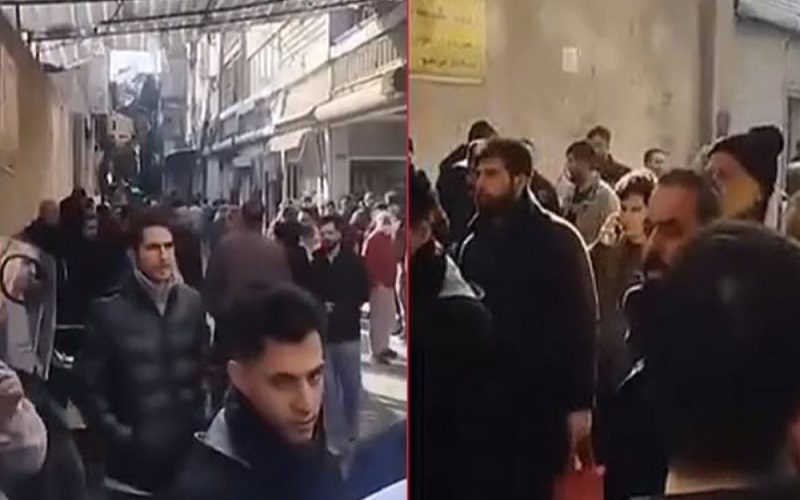
On Sunday, December 29, hundreds of Tehran’s Grand Bazaar merchants pulled down their shutters and marched through the area, chanting slogans such as “Close, Close” and “brave marketer, support, support.”
Similar strikes were reported in the Sepehsalar Bazaar, as demonstrators called for broader participation in their protests.
Videos circulating on social media depict striking merchants voicing frustrations in the presence of police forces. Key grievances include soaring raw material costs due to currency depreciation, market stagnation caused by high product prices, lack of raw materials, liquidity shortages, and the erosion of producers’ capital.
The strikes were triggered by the dramatic rise in the dollar’s value, which surged past 82,000 tomans over the weekend before settling slightly lower.
Economic Pressures Mount
Iran’s economy continues to unravel under the weight of inflation, currency depreciation, and governmental mismanagement. Restrictions on working hours, including forced shop closures at 8 p.m. under the guise of controlling electricity shortages, have further inflamed tensions among merchants and business owners. Ebrahim Azizi, head of the National Security and Foreign Policy Commission in parliament, acknowledged the growing unrest, warning that failure to address workers’ and pensioners’ livelihood challenges could have “serious effects and concerns.”
The falling value of the rial reflects a broader collapse in Iran’s economic stability. Observers have labeled economic issues as the regime’s Achilles’ heel, with critics within the government describing officials as a “hallucinatory group” responsible for a “bankruptcy tsunami.” Authorities have largely deflected blame, attributing the crises to “psychological operations of the enemy” rather than addressing systemic problems.
Broader Implications and Regional Unrest
Protests against economic mismanagement have spread across cities including Ahvaz, Shush, Ilam, Sirjan, Isfahan, and Qaem Shahr, with employees and retirees from various sectors joining the demonstrations. These movements highlight a growing frustration with persistent economic challenges and government neglect, which many observers believe could ignite broader political shifts in Iran.
The regime’s inability to address crises such as air pollution, electricity shortages, and the collapse of the foreign exchange market has intensified public dissatisfaction. As the rial’s value plummets and protests escalate, the likelihood of significant political and social upheaval grows.
Iran’s deepening economic struggles reflect systemic governance failures. Without drastic reforms, the country faces a highly unstable future, where economic demands may catalyze profound political transformations.