


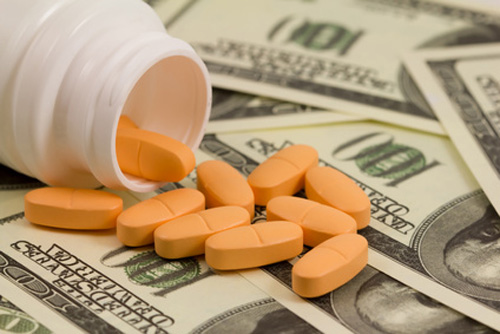

Access to essential medicines has become an increasingly daunting challenge for millions in Iran. The country is grappling with a severe pharmaceutical crisis, marked by soaring drug prices and widespread shortages, placing an unbearable burden on patients and their families.
The Growing Burden on Patients
One of the most alarming aspects of this crisis is the affordability of medicine. According to Hadi Ahmadi, a board member of the Iranian Pharmacists Association, the surge in drug prices has left many in shock. In an interview with IRNA, he revealed that out of every ten people who visit pharmacies, only seven can afford to purchase their prescribed medications. He questioned, “Why should people be forced to forgo essential medicine simply because they cannot afford it?”
The Role of Exchange Rate Fluctuations
Pharmaceutical experts point to currency fluctuations and the high cost of importing raw materials as major contributors to the crisis. The depreciation of the Iranian rial places additional pressure on drug production, driving prices even higher.
According to the Central Bank, approximately $3 billion in foreign exchange was allocated this year for the import of medicines and healthcare products, with 70% of it at the preferential exchange rate of 28,500 tomans per U.S. dollar. However, the Iranian Chamber of Commerce reports that only $1 billion worth of pharmaceuticals and medical equipment have actually been imported. The lack of transparency surrounding these figures further complicates the situation.
Sanctions and the Government’s Role
While Iranian officials have long blamed Western sanctions for the country’s pharmaceutical woes, trade statistics indicate that Iran continues to import medicine from a range of countries, including the United States, Switzerland, France, Britain, South Korea, Japan, and Ukraine. Despite this, drug prices remain on the rise, and shortages persist.
Industry experts believe that the price hikes have far exceeded initial projections. Shahram Ghaffari, deputy director of the Social Security Organization for Medical Affairs, stated, “The Food and Drug Administration oversees drug pricing, and the average price increase should not exceed 20%. However, in reality, the hikes have been far greater.”
The Struggle of Insurance Companies and Patients
Ali Fatemi, vice president of the Iranian Pharmacists Association, highlighted another critical issue: the disproportionate burden on patients. He noted that last year, the total value of medicine sold in Iran was between 35 to 40 trillion tomans, yet insurance companies covered only 12–13% of these costs. The remaining expenses were borne directly by the public.
Insurance companies, in turn, attribute their financial difficulties to the government’s massive debt and the widening gap between rising costs and stagnant revenues. The CEO of the Health Insurance Organization reported that while financial resources allocated to healthcare increased by 36%, overall medical costs surged by more than 60%.
A Crumbling Pharmaceutical Industry
The Iranian Pharmacists Association has sounded the alarm, recently issuing an open letter urging the government to allocate sufficient financial resources to prevent the collapse of the country’s pharmaceutical sector. Many in the industry warn that without immediate intervention, the situation will deteriorate further.
Alireza Azani, a pharmacist, told IRNA that pharmaceutical factories are currently operating at only 30–40% of their capacity. He also revealed that delayed payments—often exceeding 400 days—along with severe liquidity shortages, have crippled drug production and distribution.
Systemic Corruption and the Role of the Black Market
Beyond economic mismanagement, deep-seated corruption has exacerbated the crisis. Iranian President Masoud Pezeshkian himself admitted that, “Experience has shown that part of the foreign currency allocated for medicine imports and subsidies is lost.” This statement underscores the systemic corruption embedded within the regime, where funds meant for vital imports often vanish into the pockets of powerful networks.
Mafia-like groups within the government are accused of siphoning off foreign currency allocations while redirecting imported medicines to the black market, where they are sold at exorbitant prices. This illicit trade has fueled the dramatic rise in medicine costs and deprived countless patients of life-saving treatments.
A Nation in Crisis
The combination of skyrocketing drug prices, liquidity shortages, and unpaid insurance claims has pushed Iran’s healthcare system to the brink. For many patients, access to essential medication is no longer a guarantee but a privilege reserved for those who can afford it. As conditions worsen, countless lives hang in the balance, with no clear solution in sight.