


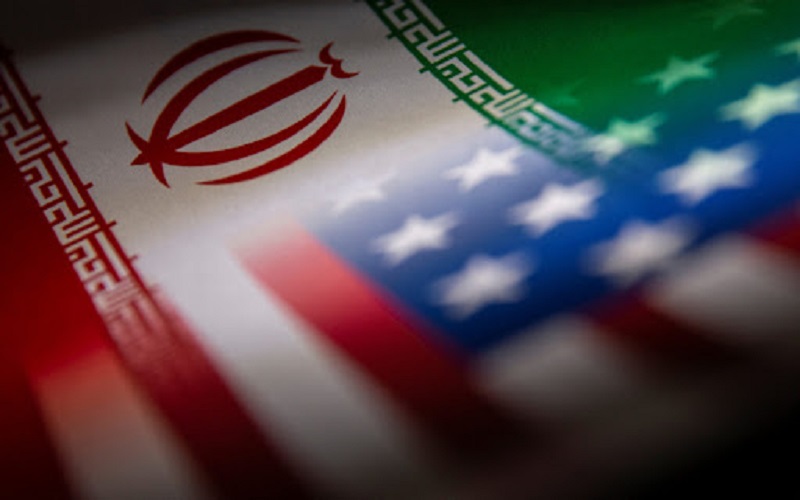

The Iranian regime’s conflicting statements regarding negotiations with the new U.S. administration began even before Iran’s presidential elections and intensified following Donald Trump’s victory. By the time he assumed office on January 20, the debate within Iran’s leadership had reached its peak. Unlike previous years, a broader spectrum of regime officials, from parliament members to senior leaders, openly discussed the potential benefits—or even the necessity—of engaging with the U.S.
Mixed Signals and Backchannel Diplomacy
Amidst this internal debate, the regime took steps that suggested a willingness to negotiate. Abbas Araghchi, Iran’s Foreign Minister, traveled to various countries, while figures from nations that previously played mediating roles between Iran and the U.S. were seen in Tehran. These movements indicated an attempt to reopen diplomatic channels. Additionally, Tehran sent multiple signals to Trump, indirectly expressing readiness for dialogue.
Optimism grew in Tehran when Trump stated that he preferred resolving issues with Iran without military confrontation. Following these remarks, Supreme Leader Ali Khamenei appeared to soften his stance. While cautioning officials about the need for vigilance, he hinted at the possibility of a “deal” with the U.S., leaving the door open for potential negotiations. However, in recent days, the rhetoric from Iranian officials has shifted again, reflecting growing tensions behind the scenes.
Internal Divisions on Negotiations
On February 1, Deputy Intelligence Minister Hossein Safdari inadvertently revealed some of the behind-the-scenes developments, stating that the U.S. had set three conditions for negotiations: “Either the Islamic Republic retreats, is overthrown, or faces a fate similar to Bashar al-Assad’s regime in Syria.” He further asserted that “now is not the time for negotiations,” arguing that Washington was not interested in a deal based on mutual respect but rather sought to exert pressure and instill fear.
Ebrahim Rezaei, spokesperson for the Parliament’s National Security Commission, reinforced this stance on February 2. Following a joint meeting with Araghchi, Rezaei quoted Araghchi as saying that “negotiations with the United States are not on the government’s agenda,” and that officials who spoke publicly about negotiations had been warned. This contradicts Araghchi’s earlier interview with Sky News, in which he indicated that Tehran was willing to listen to Trump’s position before deciding on negotiations.
Khamenei’s own statements have added to the ambiguity. On January 28, after years of staunch opposition to direct talks with the U.S., he issued a cryptic warning, advising officials to “be careful who they deal with.” Some interpreted this as a green light for negotiations. Former MP Ali Motahari suggested that Khamenei’s remarks signaled approval of the “principle of negotiations,” provided Iranian officials exercised caution and intelligence.
Advocates for Diplomacy
Several regime figures have explicitly defended negotiations in recent weeks. Ali Akbar Ahmadian, Secretary of the Supreme National Security Council, argued that “stubbornness where flexibility is needed will lead to suffering.” He suggested that Iran could engage in talks even with adversaries based on a strategy of “resistance.” Similarly, Mohammad Javad Zarif, now serving as Vice President for Strategic Affairs, stated that Iran should negotiate with all parties except Israel. Foreign Ministry spokesperson Esmail Baghaei echoed this sentiment, emphasizing that negotiations would occur “whenever they serve Iran’s interests.”
These statements contrast sharply with those advocating a hardline approach, including those calling for retaliation against the U.S. and rejecting any diplomatic overtures. Among these voices is President Masoud Pezeshkian, who, while supporting negotiations, has faced opposition from factions within the regime.
Trump’s “Maximum Pressure” and Tehran’s Dilemma
Meanwhile, the Trump administration’s “maximum pressure” campaign has heightened Tehran’s anxiety. Though Washington’s precise strategy remains unclear, the strong rhetoric from American officials has deepened divisions within the Iranian leadership. The inconsistency in Tehran’s response—ranging from overtures for talks to defiant slogans like “Death to America”—reveals the regime’s struggle to form a coherent strategy.
Historically, Iran has used a dual-track approach when dealing with the U.S., oscillating between resistance and diplomacy to buy time and reduce pressure. However, the current contradictions expose deeper uncertainty about the regime’s grand strategy. In the past, all branches of power, from the Supreme Leader to the security establishment, were unified in rejecting negotiations with Washington. Now, amid an economic crisis, widespread protests, and declining legitimacy, factions within the regime are debating whether diplomacy might be necessary for survival. Others fear that engaging with Trump could be interpreted as a sign of weakness, further undermining their standing domestically and internationally.
A Tactical Stalemate
Beyond the internal divide, Iran’s leadership may also be employing its familiar time-buying tactic, aiming to delay decision-making while maintaining internal control and keeping adversaries uncertain. This strategy, used in past nuclear negotiations, allows the regime to suppress domestic dissent while keeping diplomatic options open.
Ultimately, the Iranian regime finds itself in a precarious position. The contradictory statements from officials reflect an ongoing internal battle over whether to negotiate with the U.S. or to continue on a path of confrontation. However, regardless of its choice, Tehran faces a lose-lose scenario: engaging in talks could be perceived as an admission of weakness, while refusing negotiations may accelerate the regime’s decline. The decisive factor remains whether Washington is even willing to engage on Tehran’s terms.