


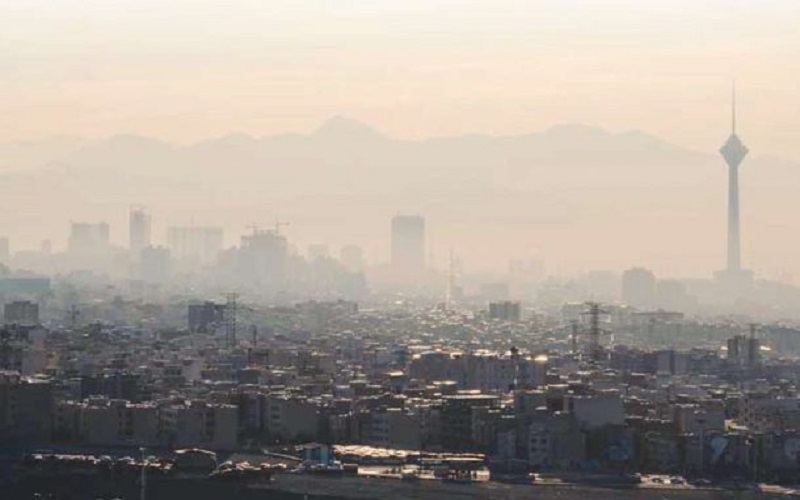

According to the latest data from the Tehran Air Quality Control Company, residents of Tehran experienced clean air for only seven days between March 20, 2024, and March 20, 2025. This means that, on average, Tehran’s citizens had just one day of clean air every 52 days.
The state-run news agency IRNA warned on Sunday, March 23, citing statistics from the Tehran Air Quality Control Company, that the number of days with clean air in the capital has been declining significantly in recent years. IRNA reported that while Tehran had only 10 days of clean air in 2023, this figure dropped to seven in 2024.
The statistics further reveal that the majority of the year was marked by air quality levels deemed unhealthy for sensitive groups and, at times, for the entire population. This means that for a considerable portion of the year, Tehran’s residents were exposed to hazardous air conditions.
The Alarming Air Quality Index
The air quality index (AQI) is categorized into five levels:
- Unhealthy (151-200, red)
- Very Unhealthy (201-300, purple)
- Hazardous (301-500, brown)
According to official data, in 2024, Tehran experienced 127 days (34.79% of the year) with air classified as unhealthy for sensitive groups. Additionally, there were 19 days (5.21% of the year) where the air quality reached warning levels, making it hazardous for all age groups. In total, 146 days—40% of the year—were deemed unsafe for the city’s residents, especially for individuals with respiratory or cardiovascular conditions, pregnant women, and the elderly.
The Devastating Impact on Public Health
The worsening air pollution crisis in Tehran and other major Iranian cities has led to severe health consequences. In 2024, hundreds of people sought medical attention for heart and respiratory ailments caused by poor air quality. In some provinces, the government was forced to close schools, universities, and offices due to extreme pollution levels.
In December 2024, Mohammad Reza Zafarghandi, the regime’s Minister of Health and Medical Education, revealed that air pollution claims 40,000 lives annually in Iran and causes approximately $12 billion in economic damage. Similarly, in October 2024, Somayeh Rafiei, head of the Parliament’s Environment Committee, reported that 30,000 Iranians died due to air pollution in 2023, up from 24,000 the previous year.
Government Mismanagement and Policy Failures
The root cause of Tehran’s air pollution crisis lies in the regime’s failure to effectively manage environmental challenges. Unlike developed countries that prioritize environmental protection, the Iranian regime has allocated substantial financial and human resources to ideological projects and expanding its influence in Syria, Lebanon, and Iraq.
Unofficial reports estimate that these foreign expenditures amount to tens of billions of dollars. Had these resources been directed toward improving environmental infrastructure, modernizing public transportation, and enhancing fuel quality, Iran could have significantly reduced air pollution levels.
Additionally, a lack of transparency in reporting and the absence of accountability among responsible institutions have further eroded public trust. Poor coordination between government agencies and the absence of a comprehensive pollution control strategy have exacerbated the crisis.
Conclusion
Tehran’s air pollution crisis is not just an environmental issue—it is a public health emergency. The alarming statistics and rising death toll underscore the urgent need for effective policy changes. Without immediate and substantial action, the health and well-being of millions of Iranians will continue to be at risk. The government must shift its priorities, invest in sustainable solutions, and adopt policies that ensure clean air for its citizens before the crisis worsens further.