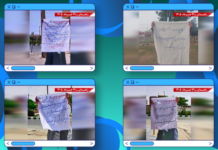
In cities and towns across Iran—from Piranshahr to Tehran, Ardakan to Behbahan—waves of protest surged through the streets this week. Workers, tradespeople, and ordinary citizens gathered in passionate defiance, raising their voices against worsening economic hardship, relentless corruption, and the Iranian government’s ongoing failure to meet even the most basic needs of its people.
May 10—Ahvaz, southwest Iran
Protest rally by water workers from the Khuzestan Water and Wastewater Company in front of the provincial governor's office, highlighting their demands for unpaid wages, proper job classification, and fair pay.#IranProtestspic.twitter.com/CjJyxWRkA8— People's Mojahedin Organization of Iran (PMOI/MEK) (@Mojahedineng) May 10, 2025
Crane operators, bakers, electricity and water workers, medical personnel, barge owners, defrauded creditors, and families joined in collective action. United by shared grievances—crushing taxes, unpaid wages, power and water cuts, and broken promises—they sent a powerful message: the Iranian people will no longer remain silent.
May 10—Rasht, northern Iran
Emergency medical services (EMS) personnel hold protest rally, highlighting their grievances over pay inequalities and neglect of their living and working conditions.#IranProtestspic.twitter.com/1lZ6MONFEW— People's Mojahedin Organization of Iran (PMOI/MEK) (@Mojahedineng) May 10, 2025
A Nationwide Cry for Justice
Crane Drivers in Piranshahr
Crane operators staged a dramatic protest by parking their vehicles in front of the governor’s office. Their anger was directed at a new tax scheme imposed under the guise of an “organization,” allegedly led by an individual named Mohsen Arikh. The drivers accused Arikh of threatening to revoke their licenses while offering no services in return—calling the initiative nothing more than legalized extortion.
May 10—Arak, central Iran
Bakers rally in front of the provincial governorate to protest severe economic conditions, including skyrocketing production costs and frequent power outages.#IranProtestspic.twitter.com/dxF6wI5GtM— People's Mojahedin Organization of Iran (PMOI/MEK) (@Mojahedineng) May 10, 2025
Bakers in Arak and Tehran
Bakers in Arak and Tehran rallied outside local government offices to protest soaring production costs, flour shortages, and rolling blackouts. Their chants reflected mounting frustration over the government’s delay in providing promised subsidies, which they say threatens their ability to stay in business.
Water and Electricity Workers in Khuzestan
Utility workers in Khuzestan gathered in front of the Ministry of Energy and the provincial governor’s office, demanding changes to their employment status, payment of long-overdue wages, and an end to discriminatory practices in benefits and compensation.
Emergency Medical Staff in Gilan
Emergency responders, many of whom had worked tirelessly through the COVID-19 pandemic for minimal wages, protested the government’s failure to address longstanding pay disparities and labor grievances.
May 7—Tehran, Iran
Contract workers of the oil industry rally to reiterate their demands for higher wages, better contract conditions, and other basic needs.
"The Minister of Labor supports exploitation," protesters chant#IranProtestspic.twitter.com/WeUWFcw4kv— People's Mojahedin Organization of Iran (PMOI/MEK) (@Mojahedineng) May 7, 2025
Boat Owners in Bushehr and Housing Applicants in Hamedan
In Bushehr’s Daylam port, boat owners condemned new boating regulations, while in Hamedan, applicants for national housing projects protested against prolonged delays and lack of transparency in government construction programs.
Citizens of Ganaveh and Behbahan
Residents of Ganaveh demanded the preservation of airport operations and the resumption of domestic flights, while in Behbahan, people protested frequent and prolonged water and electricity outages. These demonstrations were met with arrests and phone confiscations by state security forces, highlighting the regime’s continued repression of dissent.
May 6—Isfahan, central Iran
Bakers protesting over delayed bakery subsidies and demanding higher bread prices, chanting "incompetent official, resign" amid economic strain.#IranProtestspic.twitter.com/flIQXv33dZ— People's Mojahedin Organization of Iran (PMOI/MEK) (@Mojahedineng) May 6, 2025
Defrauded Investors in Ardakan and Meybod
In Ardakan, creditors who had lost their savings to the Yazdkish company rallied against financial corruption and called for the removal of officials complicit in the mismanagement and looting of public funds.
Oil Workers and Families in Tehran
Workers from Iran’s third oil sector, accompanied by their families, gathered in front of the Ministry of Oil, chanting “Our tables are empty,” a stark indictment of the economic desperation facing even key sectors of the Iranian workforce.
More footage of the protest rally by bakers in Isfahan, chanting, "Enough with the promises, our tables are empty!"#IranProtestspic.twitter.com/sy6mIGi0q2
— People's Mojahedin Organization of Iran (PMOI/MEK) (@Mojahedineng) May 6, 2025
Heat-Stricken Citizens in Ardakan
Amid temperatures exceeding 40°C, residents protested outside the local electricity department over unannounced power outages affecting homes, hospitals, and poultry farms—once again underscoring the state’s inability to provide basic infrastructure.
A Failing Government with a Deaf Ear
The breadth and diversity of these protests reveal a profound truth: Iran’s ruling establishment has failed. Instead of addressing the grievances of its people, the regime invests in repression, corruption, and foreign military adventures. As infrastructure decays and poverty spreads, the authorities resort to silencing dissent rather than solving problems.
May 6—Gachsaran, southwest Iran
Oil industry workers hold protest rally, demanding the conversion of their employment status and job security.#IranProtests pic.twitter.com/cqAldc4e1J— People's Mojahedin Organization of Iran (PMOI/MEK) (@Mojahedineng) May 6, 2025
Frequent blackouts, unfair taxation, stalled housing projects, and the plundering of people’s savings are no longer isolated issues—they are symptoms of a system that is broken at its core.
The Road Ahead: Resistance and Resolve
Perhaps most striking is the presence of children at many of these rallies—standing beside their parents, holding signs, and shouting slogans. Their participation is both a symbol of generational continuity in the fight for justice and a poignant indictment of a regime that leaves no future for its youth.
May 5—Isfahan, central Iran
Rally by retirees of the Telecommunications Company of Iran (TCI), demanding higher pensions and access to basic services and protesting corruption by government institutions managing the pension fund.#IranProtestspic.twitter.com/5wlqm6ArTV— People's Mojahedin Organization of Iran (PMOI/MEK) (@Mojahedineng) May 5, 2025
These scenes are not mere moments of unrest; they are signals of a deepening national crisis. For the Iranian people, protest has become not just a right but a necessity. As frustration mounts and voices grow louder, one truth becomes undeniable: this government cannot and will not meet the demands of its people.
And so, the movement grows—driven by hunger, injustice, and the unyielding hope for a better Iran.