


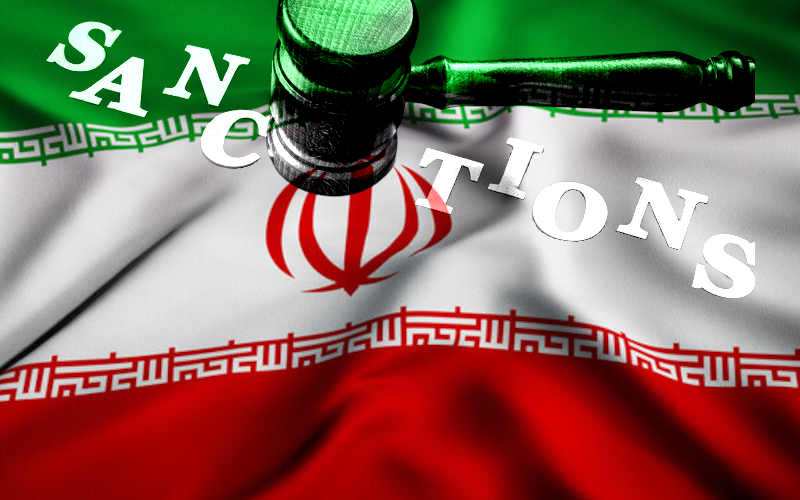

June 6, 2025 – Washington, D.C. — In a major escalation of its pressure campaign against the Iranian regime, the U.S. Department of the Treasury’s Office of Foreign Assets Control (OFAC) today announced sweeping sanctions on more than 30 individuals and entities tied to a sprawling shadow banking network run by three Iranian brothers — Mansour, Nasser, and Fazlolah Zarringhalam. The network has laundered billions of dollars through global financial channels to fund Iran’s oil exports, nuclear and missile programs, and terrorist proxies, despite international sanctions.
Simultaneously, the Treasury’s Financial Crimes Enforcement Network (FinCEN) issued an updated advisory to help financial institutions detect and report suspicious activity linked to Iran’s illicit financial operations, including oil smuggling, shadow banking, and weapons procurement.
A Lifeline for a Sanctioned Regime
“Iran’s shadow banking system is a critical lifeline for the regime through which it accesses the proceeds from its oil sales, moves money, and funds its destabilizing activities,” said Secretary of the Treasury Scott Bessent. “Treasury will continue to leverage all available tools to disrupt this network, which enriches the regime’s elite and encourages corruption at the expense of the Iranian people.”
The action, taken under Executive Orders 13902 and 13846, marks the first wave of sanctions targeting Iranian shadow banking infrastructure since the White House issued National Security Presidential Memorandum 2, reinstating a campaign of maximum pressure on Iran.
The Zarringhalam Network: A Parallel Banking System
The Zarringhalam brothers operate an intricate web of Iranian exchange houses and offshore front companies, primarily based in Hong Kong and the United Arab Emirates (UAE). Their operations serve as a clandestine parallel banking system enabling sanctioned Iranian individuals and military organizations to bypass restrictions and channel the proceeds of petroleum and petrochemical exports through fictitious invoices and deceptive transactions.
These efforts not only finance the Iranian military and the Islamic Revolutionary Guard Corps-Qods Force (IRGC-QF), but also support regimes such as that of Bashar al-Assad in Syria. Whistleblowers have revealed that this system has also been used by regime insiders to embezzle billions, exacerbating economic hardships for the Iranian population.
Key Entities and Individuals Sanctioned
Mansour and Nasser Zarringhalam run two major Iran-based currency exchanges — GCM Exchange and Berelian Exchange — which oversee a vast offshore financial network. These exchanges have helped the IRGC-QF, Astan Quds Foundation, and the National Iranian Oil Company (NIOC) evade sanctions and process large sums of illicit transactions, including over $100 million in currency exchanges.
A third brother, Fazlolah Zarringhalam, operates Zarrin Ghalam Exchange, which has worked closely with the Central Bank of Iran and the National Iranian Tanker Company (NITC). This exchange has facilitated hundreds of millions of dollars in foreign currency transfers and petrochemical-related payments.
Other individuals tied to these entities — including employees based in China and Iran — are also facing sanctions. Fatemeh Sarlak Kuhi and Yu Zhang, who support Berelian Exchange’s operations, have been designated for their material assistance to the network.
Hong Kong and UAE Front Companies
OFAC also designated 18 Hong Kong-based and five UAE-based front companies used by the Zarringhalams to funnel illicit funds. These entities have facilitated hundreds of millions of dollars in transactions using various currencies, serving Iran’s petroleum and defense sectors.
Hong Kong firms such as Hero Companion Limited, Plzcome Limited, and Kinlere Trading Limited helped NIOC receive payments from sanctioned oil buyers. Meanwhile, UAE-based companies such as Wide Vision General Trading L.L.C and Ace Petrochem FZE were instrumental in obscuring the financial trail of sanctioned Iranian exports.
J.S. Serenity FZE, for example, was directly involved in brokering deals for the IRGC-affiliated Sepehr Energy Jahan Nama Pars Company. OFAC’s designation of these companies highlights how Iran exploits jurisdictions with weaker regulatory oversight to circumvent global financial norms.
Deep Family Ties and Domestic Influence
Beyond financial services, the Zarringhalam family’s influence extends across Iran’s economy. The family’s investment arm, Zarrin Tehran Investment Company, and its affiliates — including Kimia Sadr Pasargad Company in the oil and petrochemical sector — have also been designated.
Board members across these entities include not just the Zarringhalam brothers, but also their relatives and close associates, such as Mitra Zarringhalam, Hossein Shetaban, and Parvis Soltanizadeh. These individuals are being sanctioned for their roles in enabling the regime’s illicit economic activities and enriching its elite circles.
Legal and Economic Consequences
As a result of these designations, all U.S.-based property and interests of the named individuals and entities are now blocked. U.S. persons are generally prohibited from engaging in any transactions with the sanctioned parties. This includes indirect or third-party dealings, which may also expose foreign entities to secondary sanctions.
Violations of these sanctions may result in severe civil or criminal penalties. The Treasury emphasized that financial institutions and businesses worldwide must be vigilant in avoiding exposure to this vast illicit network.
A Message to the Iranian People
While the sanctions aim to curb Iran’s destabilizing actions abroad, they also underscore the deep-rooted corruption within the regime’s financial elite. Billions of dollars diverted through shadow banking could otherwise serve the public good in a nation grappling with inflation, poverty, and mismanagement.
By targeting these opaque networks, the U.S. seeks to weaken the financial architecture that sustains Iran’s authoritarian regime while amplifying the voices of those within Iran who seek transparency, accountability, and reform.