



Evin Prison Crisis Deepens, IAEA Access Blocked, Executions Rise, and Global Concerns Intensify Over Iran’s Nuclear Ambitions and Human Rights Abuses
Updated: 16:00 PM CEST
Day 17 – Overview On Day 17 of the aftermath of the Iran-Israel conflict, the Iranian regime continues to grapple with a widening internal and international crisis. A collapsing prison system, mounting international scrutiny over its nuclear program, and an increasingly repressive security apparatus are defining this post-ceasefire phase.
1. Prison Transfers and Humanitarian Crisis According to the People’s Mojahedin Organization of Iran (PMOI/MEK), the situation inside Iran’s prison system, particularly following Israeli strikes on Evin Prison, has reached a dire state. Roughly 2,000 inmates, including 180 political prisoners, have been transferred from Evin to the notorious Fashafouyeh Prison under chaotic conditions. Prison officials lacked basic coordination or identification lists, and food and sanitation are reportedly abysmal. In Qarchak, Varamin prison, female prisoners are suffering under similar, if not worse, health threats due to inadequate facilities. The National Council of Resistance of Iran has urged the UN and international human rights bodies to intervene and send a fact-finding mission to investigate Iran’s prison conditions.
2. IAEA Denied Access Amid Ongoing Nuclear Concerns The Director General of the International Atomic Energy Agency (IAEA), Rafael Grossi, stated Iran retains the capacity to restart uranium enrichment within months, warning that US airstrikes have not eliminated the country’s nuclear capabilities. Meanwhile, the Iranian parliament has officially suspended cooperation with the IAEA. Alaeddin Boroujerdi, a senior parliamentarian, declared that IAEA inspectors would no longer be allowed access to nuclear facilities, accusing the Agency of failing to uphold its obligations.
3. Fatalities at Evin Prison Confirmed Iran’s judiciary spokesman, Asghar Jahangir, confirmed that 71 individuals were killed during Israel’s bombing of Evin Prison. The deceased reportedly include guards, conscripts, prisoners, visiting family members, and nearby residents. The announcement comes amid broader concerns about the regime’s transparency and the prison’s condition post-attack.
4. Executions and Widening Crackdown on Dissent In what human rights advocates are calling a wave of repression, three men were executed on charges of “spying for Israel,” bringing the number of such executions to six since the war began. Many arrested individuals were reportedly civil activists or political dissidents, raising alarms over fabricated charges and lack of fair trials. Authorities also launched an “Information Jihad” campaign to monitor digital activities, including amendments to espionage laws to facilitate tighter control over the population.
5. Statements from Regime Insiders and Dissenters Cleric Mehdi Karroubi acknowledged deep Israeli infiltration into Iran’s military and political systems, warning of misguided focus by security forces. Former Supreme Court advisor Ali Asghar Mojtahedzadeh claimed that the ceasefire was imposed by the “enemies” and not accepted by Iran. Meanwhile, Parliament member Alaeddin Boroujerdi declared the complete termination of IAEA access.
6. Additional Losses Among Regime Officials The National Security Command confirmed the death of Mehdi Nemati, deputy director of cultural affairs for the FARAJA Intelligence Organization, who previously worked alongside Qassem Soleimani. He was killed in Israeli strikes and was engaged in media and propaganda operations.
7. International Reactions and Warnings French Foreign Minister Jean-Noël Barrot warned that failure to allow permanent nuclear monitoring could result in renewed sanctions against Iran. Secretary of State Marco Rubio denounced calls within Iran to arrest or execute IAEA Chief Grossi as unacceptable, reaffirming U.S. support for the Agency. Meanwhile, US President Donald Trump stated he does not believe Iran successfully hid uranium before the strikes, citing lack of time and difficulty in moving such material.
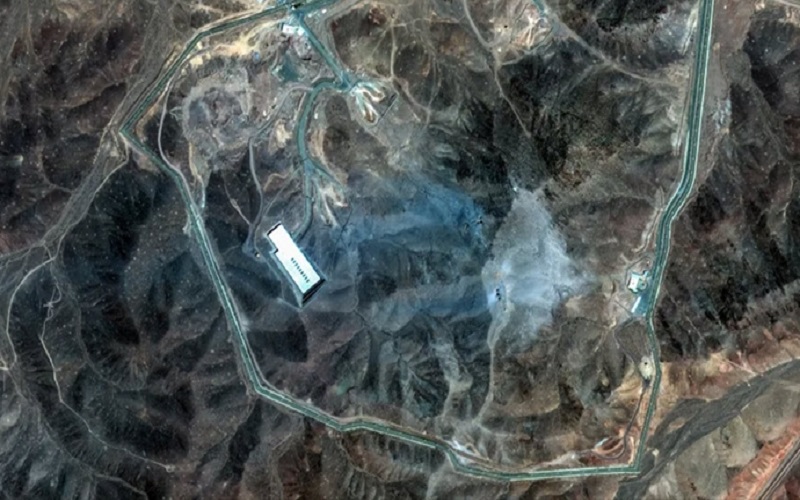
8. Intelligence Revelations and Global Alarm The Times revealed long-term Mossad infiltration within Iran’s military and nuclear infrastructure. Intelligence documents reportedly mapped the Natanz nuclear facility and penetrated the IRGC command structure. This extensive surveillance, reportedly dating back to 2010, was shared with Western allies and shaped Israel’s military operations during the recent conflict.
9. Congressional and Political Fallout in the US A Senate resolution to limit President Trump’s authority to launch further military attacks on Iran failed, signaling bipartisan support for maintaining executive flexibility in dealing with Iran. The vote split 53-47.
10. New Espionage Punishment Law Intensifies Repression Details of a new resolution passed by Iran regime’s parliament reveal significantly harsher penalties for espionage, including capital punishment. Under the law, any intelligence or operational action for Israel or a “hostile state” can be classified as “corruption on earth,” a charge that carries the death penalty. Additionally, possession or use of unlicensed communication equipment like Starlink can lead to imprisonment and confiscation. Activities deemed to spread fear, false news, or harm public morale are now criminalized, as is participation in unauthorized gatherings. Notably, the law is retroactive unless violators turn themselves in within three days.
11. Drone Use Strictly Regulated Iran regime’s parliament unanimously passed legislation to strictly control the production and operation of remotely piloted aircraft. The new law places authority over drone policy and regulation in the hands of the National Security Council and the IRGC’s Sarallah base. Civilian drone use in Tehran and Alborz provinces now requires IRGC permission. All drone manufacturers must be vetted by multiple intelligence and military agencies, with unlicensed activity punishable under the Islamic Penal Code.
12. No Agreement on Negotiations with US Majid Takht-Ravanji, the deputy at the Iranian regime Foreign Ministry, denied that negotiations with the United States were imminent, countering US President Donald Trump’s earlier statement. Despite recent remarks from US officials expressing hope for a comprehensive peace deal, Tehran insists that no agreement has been reached and cast doubt on the U.S. narrative.
13. Argentina Condemns Threats Against IAEA Chief The Argentine government has strongly condemned threats made against IAEA Director General Rafael Grossi, who is an Argentine citizen. These threats were published in Kayhan, a hardline Iranian regime newspaper affiliated with the Supreme Leader’s office, which called for Grossi’s execution and labeled him a Mossad agent. Argentina’s Foreign Ministry expressed full support for Grossi and demanded international condemnation of the Iranian regime’s rhetoric.
Conclusion Iran’s regime stands at a critical juncture, balancing between internal unrest, escalating international pressure, and a crumbling narrative of strength. With its nuclear program under scrutiny, prisons in crisis, and human rights violations mounting, the world watches closely for Tehran’s next moves. Whether it chooses confrontation, suppression, or diplomacy remains uncertain.