


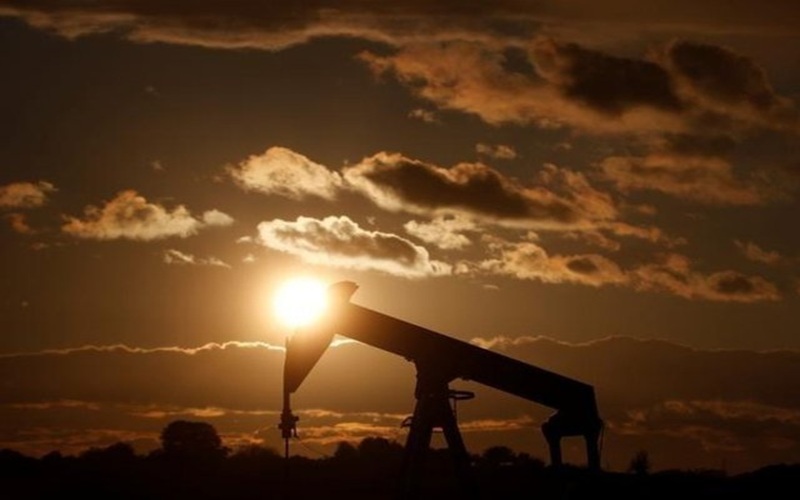

Despite holding some of the world’s largest oil and gas reserves, Iran faces poverty, inflation, and protests due to systemic corruption.
Recent data from 2023–2024 places Iran’s proven oil reserves at approximately 157.5 billion barrels, with some estimates reaching 209 billion barrels. This positions Iran as the holder of the fourth-largest proven oil reserves in the world, representing around 10–12% of global petroleum resources. Combined with gas reserves ranking second globally, Iran possesses the natural wealth to be one of the most prosperous nations on earth.
Yet instead of improving the lives of its people, the regime has channeled this enormous wealth into non-transparent spending, leaving Iran’s citizens grappling with poverty, inflation, and economic collapse.
Oil Wealth, People’s Poverty
Iran’s economic indicators paint a grim picture. Inflation has consistently exceeded 40%, the national currency has plummeted, and unemployment remains alarmingly high, particularly among young people. Absolute poverty has engulfed millions of households, forcing pensioners, workers, and low-income families to stage frequent protests.
In a revealing statement, regime-affiliated economist Baitollah Sattarian told the state-run Bahar News:
“Iran’s economy is like a dead horse that cannot be fixed by changing the saddle; the entire horse must be replaced. Even if we invite the world’s greatest economists and tell them to work within this same structure, they won’t get any better results.”
This blunt assessment exposes the reality behind official rhetoric. While regime leaders, including the Oil Minister, boast about “successful management of energy resources,” the economic and social collapse tells a very different story.
Institutionalized Corruption
Corruption in Iran is structural and institutionalized. Transparency International consistently ranks Iran near the bottom of its Corruption Perceptions Index (CPI). Vast portions of Iran’s oil wealth have been wasted on unnecessary projects, regional military adventures, and the enrichment of regime insiders—aghazadehs (privileged children of officials) and loyal elites—rather than on infrastructure or public welfare.
Rent-seeking networks in oil contracts, preferential currency allocations, and opaque mega-projects are frequently exposed, even in domestic reports. Yet the regime continues to shield those responsible. Meanwhile, ordinary Iranians struggle with shortages of essential goods and skyrocketing prices.
Public Anger Rising
This disconnect between Iran’s oil riches and the population’s misery has fueled waves of protests in recent years. Demonstrations in 2017 and 2019, as well as ongoing rallies by pensioners, workers, and teachers, reflect the growing discontent. Many see the regime’s behavior as deliberate squandering of national wealth at the expense of the people.
The authorities’ repeated claims of “successful governance” not only fail to convince but are perceived by the public as a grotesque inversion of reality.
A Crisis Deepening
With sanctions, domestic mismanagement, and structural corruption converging, Iran’s economic system faces mounting pressure. International observers report that dissatisfaction is intensifying and could lead to a political turning point.
Iran’s paradox is stark: a nation rich in oil and gas wealth, yet plagued by poverty, corruption, and social unrest. Until the regime redirects resources toward the welfare of its people, this cycle of exploitation and discontent will only deepen—further widening the gap between the Iranian people and their rulers.