


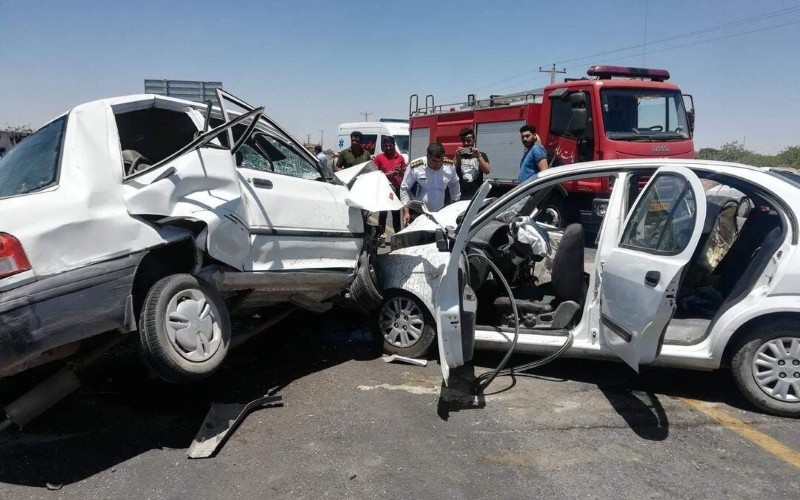

Repeated fatal accidents on Iran’s intercity roads reveal the regime’s neglect of road safety, lack of fleet renewal, and exhaustion of overworked drivers, turning highways into death traps for citizens.
Mounting Fatalities on Iran’s Roads
The repeated intercity bus crashes across Iran, each claiming dozens of lives and injuring many more, have once again thrust the country’s catastrophic road safety record into public attention. In recent days, two deadly accidents in Semnan Province and on the Firuzkuh Highway killed six passengers and injured over thirty others, exposing once again the decaying state of Iran’s intercity transport system.
Transportation experts say the rising number of accidents reflects a lack of oversight on drivers’ physical and mental conditions. Fatigue from excessive working hours, coupled with poor road conditions and an aging bus fleet, have created lethal conditions on the country’s highways.
A Countrywide Pattern of Death and Neglect
According to official figures, at least 10,086 people lost their lives and about 190,000 were injured in traffic accidents during just the first half of 2024. Fars Province ranked as the deadliest with 776 fatalities, followed by Khorasan Razavi with 711. More than 67% of these incidents occurred on intercity roads — confirming that long-distance travel remains among the most dangerous means of transportation in Iran.
A major driver behind this crisis is the severe reduction in the number of active buses. In the past decade, the number of operational smart cards issued for intercity buses has fallen from around 14,500 to less than 7,500 — nearly a 50% decline. This sharp reduction has placed immense pressure on the remaining vehicles and drivers, forcing them to work longer hours with little rest.
Drivers often exceed the legal driving limits, covering both outbound and return routes within a single day to meet demand on busy lines. Experts warn that this exhaustion impairs reaction time, focus, and mental stability, drastically increasing accident risks.
A Fleet Beyond Repair
Technical problems compound the crisis. Heavy traffic and mechanical decay in buses have made intercity travel increasingly perilous. Many buses suffer from worn-out brakes, engine malfunctions, and faulty ventilation systems, making them prone to breakdowns and even fires.
The government recently issued permits to import 2,000 new buses, yet implementation has stalled. Reza Akbari, head of the Road Maintenance and Transportation Organization, revealed in March 2025 that only 110 buses had entered the country, with another 100 stuck in customs. He warned that over 70% of Iran’s buses are more than 15 years old, while the global average for road fleet age is just five years.
With over 80% of intercity passengers traveling by bus, the continued deterioration of this fleet poses a direct and escalating risk to human life. Without urgent modernization and stricter control of drivers’ working hours, Iran’s road safety system faces a full-scale collapse.
Unsafe Roads, Unsafe System
The tragedy of Iran’s road deaths extends beyond buses and fatigued drivers. Much of the danger lies in the roads themselves. Despite Iran’s diverse geography — from mountain passes to desert highways — the country’s road infrastructure remains dangerously substandard. Outdated engineering, poor maintenance, and a lack of warning signs have turned many routes into deadly corridors.
Although successive governments have pledged to repair hazardous points and expand safe highways, experts confirm that little tangible progress has been made. Over 5,300 high-risk road segments have been officially identified, yet long-distance drivers report that many remain perilous. Sharp curves, steep slopes, crumbling asphalt, and missing warning signs persist, especially along routes shared by heavy trucks and private vehicles — a deadly combination.
A Crisis Beyond Seasons
These deadly crashes are no longer limited to holidays or high-traffic seasons. Fatalities occur year-round. As Iran enters its rainy months, slippery roads, rockfalls in mountain regions, and a shortage of safety equipment such as standard tires and warning markers increase the risk even further.
Despite road fatalities reaching crisis levels, there is still no sign of a serious national initiative to overhaul Iran’s transportation safety system. Each day, the country’s roads silently claim more lives — victims of negligence, decay, and a regime that continues to ignore its duty to protect them.