


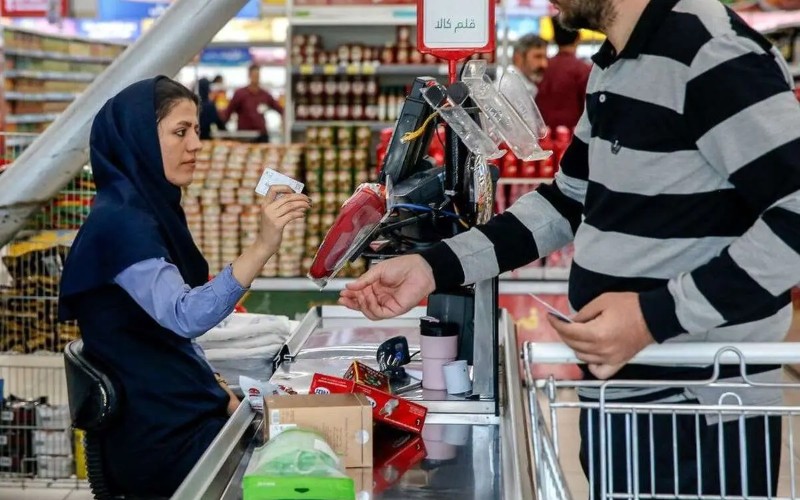

Field report from Tehran shows collapsing purchasing power, empty butcher shops, and diets stripped of protein
A recent field report by the daily Ham-Mihan exposes a stark picture of collapsing purchasing power and worsening food insecurity in Iran’s capital. Surveying eight districts of Tehran — including regions 6, 10, 11, 12, 16, 17, 18, and 19 — the report found that residents are cutting back sharply on basic food items such as meat, dairy, legumes, and even eggs, while some butcher shops have closed altogether due to lack of customers.
According to Ham-Mihan, the price surge has reshaped consumer habits in shocking ways. As meat prices soar, many now purchase chicken tails, one of the cheapest animal parts, while others buy half a chicken breast or drumstick to stretch their budgets. The paper notes that as of early October, beef reached 900,000 tomans per kilo, causing sales to drop by 30–40 percent.
A butcher in District 11 told the paper that customers with ration coupons prefer to spend them on rice and cooking oil rather than meat, as “even a small purchase uses up their entire coupon.” Some shoppers try to lower costs by mixing beef with cheaper cuts like kidney fat, while others have stopped buying meat altogether.
From Eggs to Legumes: Every Item Out of Reach
Ham-Mihan also reports a shift toward smaller, individual purchases. With a carton of eggs now costing 200,000 tomans, many buyers choose to buy them one by one. “A customer who used to buy three cartons now takes five eggs,” said one shopkeeper. “Out of 20 customers, maybe one still buys a full carton.”
The same pattern is seen with legumes, where prices have skyrocketed to historic highs. Retailers said that even wealthier customers now buy half a kilo at most. Ham-Mihan notes that pinto beans cost up to 700,000 tomans per kilo, while chickpeas are now the cheapest option available.
One grocer said, “Customers who once bought 100 kilos of rice now buy just one sack.”
Dairy Shrinks, Bread Replaces Protein
Dairy products have become unaffordable for most families, pushing them toward low-quality substitutes. “A customer who used to buy three kilos of Lighvan cheese now takes 40,000 tomans of low-grade ‘chalky’ cheese,” said a dairy seller. “A single carton of cream costs 66,000 tomans and has no buyers; even milk stays in the fridge until it expires.” Another shopkeeper noted that butter is now sold by the gram.
The newspaper warns that the decline in both the quality and quantity of Iranian households’ diets has now extended beyond animal protein to include plant-based sources as well. As people abandon meat, dairy, and legumes, bread consumption has surged, becoming the primary source of calories — or as the report puts it, “a way to fill up, not to be nourished.”
Once a middle-income society, Iran now faces a food crisis where nutrition itself is becoming a privilege. Soaring inflation, stagnant wages, and regime mismanagement have left millions struggling to afford even the most basic staples — a symbol of how far the country’s economic collapse has reached into everyday life.