From industrial centers to university dormitories, dozens of protests erupted across Iran as economic pressure and job insecurity deepened.
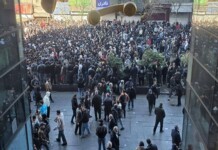
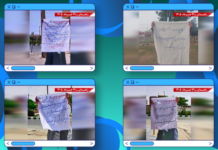
Amid a deepening livelihood and employment crisis, Sunday, December 14, 2025, witnessed a wave of coordinated protest gatherings across multiple provinces. Dismissed workers, striking industrial employees, bakers, students, and farmers all took to workplaces, streets, and public offices to voice long-standing demands that remain unanswered. The scale and diversity of these protests underscored the extent to which public dissatisfaction has spread across all layers of society.
Protests by Workers: From Zanjan to Takab
In Zanjan, dismissed workers from the Koushkan Transformer Manufacturing Factory held a protest gathering in the presence of representatives from the regime’s Ministry of Energy. The workers, many with years of experience, objected to the non-renewal of their contracts. Despite repeated protests in recent months, they report receiving no clear response, leaving their situation unresolved.
On the same day, workers and employees at the Zarré-Shouran mining complex in Takab staged several protest gatherings at the mine’s entrance, despite severe cold weather. Their demands focused on fair wage payments, immediate improvements in living conditions, and the full settlement of overdue benefits. Protest slogans reflected growing frustration and the exhaustion of tolerance for repeated, unfulfilled promises.
Strikes and Unrest in Major Industries
In Fars Province, workers at the Pasargad Alloy Steel Complex continued their strike for a second consecutive day. Production stoppages at the facility formed part of a broader pattern of labor unrest affecting industrial centers nationwide. Workers cited deteriorating job security and worsening economic conditions, noting that authorities have yet to address their concerns.
In Khuzestan, contract workers classified as “third-party labor” in the North and South Azadegan oil fields gathered outside the provincial governor’s office. They protested reports of a potential transfer of the fields to a private company, warning that such a move could exclude approximately 1,500 workers from existing job regularization plans. Demonstrators expressed deep anxiety over their employment future and the lack of transparency surrounding the proposed changes.
Bakers Protest Shrinking Quotas and Rising Costs
Bakers in Khomeinishahr staged a protest against reduced flour quotas and unpaid subsidies, citing mounting financial pressure and the growing difficulty of sustaining their businesses. Their protest highlighted a crisis that directly affects the public’s access to basic food supplies.
A similar demonstration took place in Ahvaz, where bakers gathered outside the Khuzestan governor’s office. Chants of “Enough promises—our tables are empty” captured the anger and despair of the protesters. Despite repeated warnings, bakers say their economic hardships remain unaddressed.
Students and Workers Protest Insecurity and High Costs
On the evening of Saturday, December 13, students residing at Tehran University dormitories held a protest against rising food prices and poor living conditions. Demonstrators criticized the lack of attention to basic welfare services, reflecting broader discontent among young people facing escalating costs and limited prospects.
In Khusf, workers at a cast iron factory gathered to protest the death of a fifth colleague in a traffic accident. According to the workers, the absence of employer-provided transportation has forced employees to rely on private vehicles, contributing to repeated fatal incidents. Their protest emphasized persistent safety failures and disregard for workers’ lives.
Farmers in Eastern Isfahan: Meetings Without Results
On the same day, farmers in eastern Isfahan attended a meeting with the provincial governor to raise concerns over water access, land rights, and livelihoods. Participants reported that the meeting yielded no concrete outcomes beyond renewed promises. The lack of practical measures has fueled continued protests in the agricultural sector.
A Nationwide Crisis of Unanswered Demands
The protests of December 14, 2025, present a clear picture of a nationwide crisis. Workers, bakers, students, and farmers are confronting similar economic pressures and receiving the same repetitive responses. The expanding scope of these protests points to a widening gap between society and the regime’s structure. The persistence of such unrest reflects eroding public trust and a structural inability to respond to the most basic demands of the population by the bankrupted regime.