Regime warnings, mass arrests, and digital repression signal deep fear of losing control rather than restored authority.
Clear signs of an intensified crackdown on Iran’s nationwide protests are emerging from the highest levels of the ruling system as demonstrations enter their tenth consecutive day. On Monday, January 5, 2026, the state-run outlet Mizan published remarks by Gholamhossein Mohseni Ejei, head of the regime’s judiciary, issuing blunt warnings to protesters.
Ejei declared:
“Those who seek to exploit this situation, create unrest, and undermine the security of the country and the people will be dealt with decisively, in accordance with the law. We will not remain silent in the face of rioters and agitators. Those who engage in unrest should know that if leniency was shown in previous periods, there will be no such concessions or tolerance anymore.”
Threats Rooted in Fear
Rather than projecting confidence, these statements reveal the depth of fear within the ruling establishment. The judiciary chief’s language—openly signaling the end of any restraint—reflects a regime that increasingly views the ongoing uprising as an existential threat. The aim is clear: to intimidate society and contain the protest movement through fear and force.
Expanding Crackdown Across Cities
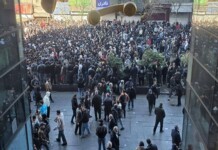
Ejei’s remarks come amid mounting field reports from cities across Iran indicating a broad expansion of repression. Over recent days, reports have consistently documented:
- Widespread arrests of protesters
- Violent dispersal of public gatherings
- Heavy security pressure on demonstrators
- Intensified restrictions on internet access and social media
- Targeting of online users accused of sharing protest-related content
Together, these measures point to a coordinated effort to suppress the protests both on the streets and in the digital sphere.
Human Rights Concerns
Human rights organizations have stressed that blaming domestic protests on alleged foreign interference does not justify the suppression of nationwide demonstrations or the violation of citizens’ fundamental rights. International law guarantees key protections, including:
- The right to peaceful assembly
- Access to legal counsel
- Fair trial standards
- The absolute prohibition of torture
Nevertheless, multiple reports indicate that detainees are being denied these rights. Families have also reported being kept in the dark about the whereabouts and condition of their arrested relatives, while independent judicial oversight remains absent.
Warnings of Escalation
Human rights experts have warned that the judiciary chief’s threatening rhetoric is likely to pave the way for even harsher repression. According to these assessments, such language increases the risk of further violence against protesters and heightens the danger of serious abuses against detainees.
International Calls for Accountability
As protests continue into their tenth day, international organizations and human rights activists have renewed calls for Iran regime’s authorities to recognize the right to protest. They have condemned the killings, mass arrests, and violent suppression of demonstrators, emphasizing the need for accountability for those responsible.
Repression as a Sign of Structural Weakness
The judiciary’s open threats do not signal strength. They expose the structural insecurity of a ruling system that responds to popular demands not with dialogue, but with prisons, intimidation, and violence. In this sense, the escalation of repression stands as further evidence that the protests have struck at the core of the regime’s legitimacy—and that fear, not authority, is driving its response.