



Reports point to systematic abuse, forced confessions, and a continued pattern of state violence against dissent in Iran regime’s prisons
The death of Abbas Yavari, a 31-year-old participant in Iran’s 2026 uprising, has once again drawn attention to the Iranian regime’s entrenched use of torture and custodial killings to suppress dissent.
According to reports, Yavari—described as a “rebellious youth” involved in the protests of January 2026—died under severe and systematic torture inflicted by Iranian security forces in a detention facility in Shiraz. His case underscores what rights advocates describe as a deliberate and organized machinery of repression.
Arrest, Disappearance, and Death in Custody
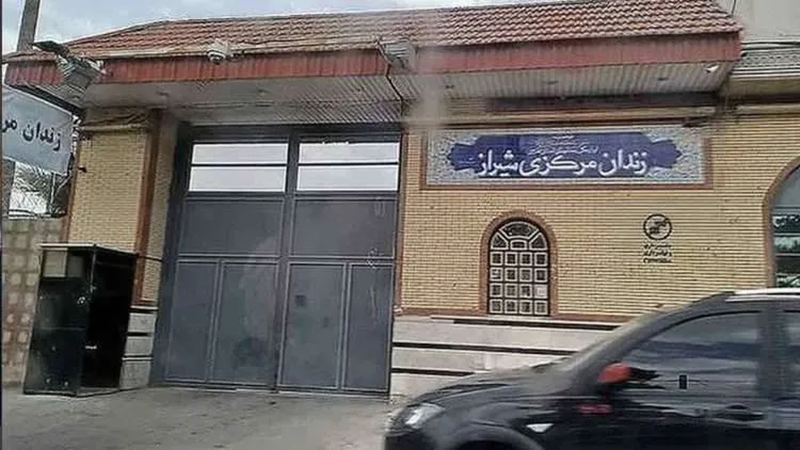
Yavari, an Arab Iranian from Ahvaz, was arrested after taking part in anti-regime protests in Shiraz and transferred to the city’s central prison. However, on March 26, 2026, he was reportedly moved to an undisclosed detention center. It was there, sources say, that he was subjected to brutal torture, ultimately leading to his death.
Three days later, authorities claimed that Yavari had died by “suicide”—a narrative frequently used by officials to deflect responsibility in cases of deaths in custody. Such explanations have repeatedly been challenged by families, witnesses, and human rights organizations as fabricated attempts to conceal state killings.
Reports indicate that interrogators sought to extract forced confessions from Yavari regarding alleged involvement in retaliatory actions against members of the basij during the protests. When such confessions were not obtained, he was allegedly tortured to death.
A Pattern Rooted in Decades of Abuse
Yavari’s killing is not an isolated incident but part of a broader historical pattern of torture and extrajudicial killings in Iran. Since the early years following the 1979 Iranian Revolution, the ruling system has relied on coercion, torture, and execution to silence opposition.
One of the most notorious examples remains the 1988 mass executions of political prisoners, during which thousands of political detainees were systematically executed following summary proceedings. Survivors and documented testimonies have described widespread torture aimed at extracting confessions or enforcing ideological submission.
In more recent years, similar patterns have persisted. Detainees linked to nationwide protests—particularly those in 2019 and 2022—have reported severe beatings, electric shocks, mock executions, and psychological torture while in custody. Deaths labeled as “suicide” or “medical complications” have frequently followed.
Human rights organizations argue that such practices reflect an institutionalized policy rather than isolated misconduct, implicating multiple branches of the state, including the judiciary and security apparatus such as the Islamic Revolutionary Guard Corps.
Other Prisoners at Imminent Risk
The urgency of the situation is further underscored by the cases of two other political prisoners, Manouchehr Vafaei, 28, and Navid Naqdi, 32. Both have been sentenced to death on charges related to the killing of two Basij-affiliated individuals in Shiraz in 2024.
Reports indicate that their executions could be carried out imminently, raising alarm among activists and human rights organizations. Observers warn that these cases follow the same pattern of forced confessions and opaque judicial processes that have characterized previous politically motivated executions.
Calls for International Action
Activists and observers stress that Yavari’s death is part of a systematic “killing machine” that has operated for decades, using torture and executions to crush popular uprisings and movements for change.
They argue that continued inaction by the international community risks emboldening further abuses. Calls have intensified for the case of such crimes to be referred to the United Nations Security Council, with demands that Iranian officials be held accountable for crimes against humanity.
“The silence and inaction,” one observer noted, “amount to complicity.”
As protests and resistance continue across Iran, Yavari’s death stands as a stark reminder of the human cost of dissent—and of the urgent need for accountability in the face of systematic state violence.