The Iranian regime publicly hanged two young protesters in Isfahan’s Alikhani Square despite widespread concerns over torture, forced confessions, and unfair trials, placing the remaining defendants in imminent danger.
In a dramatic escalation of its crackdown on the January 2026 nationwide uprising, the Iranian regime publicly executed two young protesters in the early hours of Tuesday, July 28, in Alikhani Square, Isfahan.
Abolfazl Sepahi Badjani and Amirhossein Safari Hosseinabadi, both arrested following the January protests, were hanged before the public in connection with the so-called “Alikhani Square case.” Their executions come despite repeated warnings from international human rights organizations that the case was marred by allegations of torture, forced confessions, and serious violations of due process.
The executions significantly heighten concerns for the remaining defendants, several of whom continue to face imminent execution.
Public Execution Under Heavy Security
According to local reports, the executions were carried out under an extensive security presence, with large numbers of security and law enforcement forces deployed around Alikhani Square.
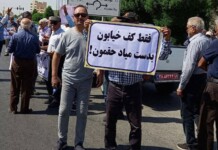
Witnesses reported that several citizens attempted to protest the public hangings, but security forces quickly intervened to prevent any gathering from forming. Reports also indicate that officers assaulted and dispersed individuals who objected to the executions.
The use of public executions has long been condemned by international human rights organizations as a cruel and degrading punishment designed to intimidate society rather than administer justice.
Human rights advocates argue that such spectacles are intended to spread fear among the population and deter further anti-government protests.
Regime Relies on Unverified Allegations
The regime’s judiciary-affiliated news agency, Mizan, claimed that the two men were responsible for the deaths of four security personnel during demonstrations in Isfahan’s Alikhani Square.
According to the official narrative, Abolfazl Sepahi allegedly participated in blocking roads, burning tires, damaging public property, and attacking security forces while carrying bladed weapons.
State media similarly alleged that Amirhossein Safari took part in attacks against security personnel while concealing his identity.
However, the judiciary presented no independently verifiable evidence to substantiate these accusations, and the court’s proceedings were conducted without public scrutiny.
Human Rights Groups Cite Torture and Forced Confessions
Human rights organizations have consistently challenged the legitimacy of the Alikhani case since the defendants were first arrested.
According to rights groups, the prisoners were subjected to severe physical and psychological torture during interrogation, and their alleged confessions were extracted under coercion.
Families of both Abolfazl Sepahi and Amirhossein Safari repeatedly protested that their sons were denied meaningful access to independent legal counsel and were prevented from exercising their right to an effective defense.
Human rights advocates also criticized the Revolutionary Court proceedings for their lack of transparency and called for an independent, public, and impartial trial.
International legal standards prohibit the use of confessions obtained through torture and regard public executions as incompatible with fundamental human rights protections, including the right to life.
UN Experts Had Warned of Imminent Executions
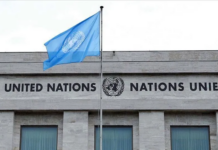
The executions came just one day after United Nations human rights experts urged the Iranian regime to halt the death sentences issued against defendants in the Alikhani Square case.
In their July 27 statement, the UN experts condemned the sentencing of twelve young protesters in a single closed hearing and warned that the proceedings violated internationally recognized fair trial standards.
They also expressed particular concern over allegations of enforced disappearances, torture, and televised confessions broadcast before trial, warning that the regime appeared to be using executions to intimidate society and suppress dissent.
Remaining Defendants Face Immediate Risk
The public executions of Abolfazl Sepahi and Amirhossein Safari have intensified fears for the fate of the remaining defendants.
Twelve individuals were originally sentenced to death in the Alikhani Square case. Before Tuesday’s executions, two others had already been executed, bringing the total number of executions in the case to four.
Human rights sources report that the whereabouts of another defendant, Alireza Sepahi, remain unknown after his family was summoned for what appeared to be a final prison visit—an action that has fueled concerns that another execution may be imminent.
The lives of the remaining prisoners now hang in the balance.
Executions Continue as a Tool of Repression
The latest executions are part of the Iranian regime’s accelerating campaign against those arrested during the January 2026 uprising. Despite growing international condemnation, authorities have continued to impose and carry out death sentences following trials that human rights organizations say fall far short of international legal standards.
With four defendants from the Alikhani Square case now executed and the remaining prisoners still under sentence of death, rights advocates are renewing urgent calls for international action to prevent further executions and hold the Iranian regime accountable for its ongoing violations of fundamental human rights.