


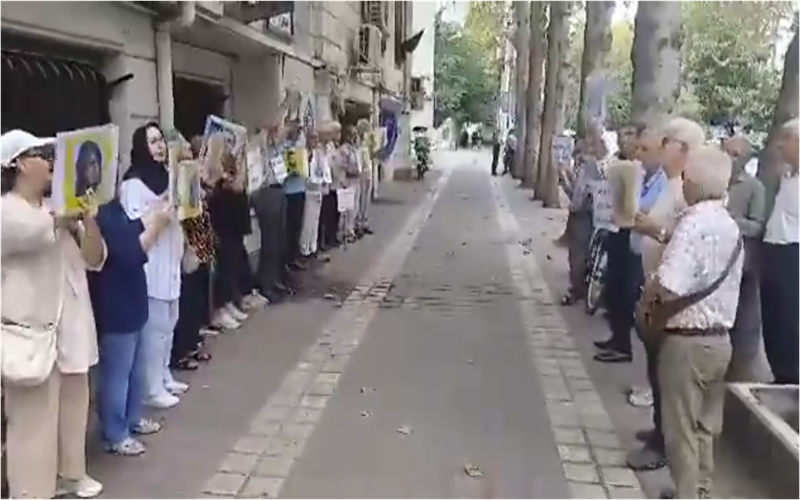

Human rights reports point to arbitrary arrests, judicial harassment, and economic retaliation against teachers as authorities seek to suppress independent labor organizing and civic activism.
The repression of teachers in Iran has intensified significantly following the nationwide protests of January 2026, with educators, labor activists, and independent union members increasingly targeted by security forces. Human rights reports indicate that the authorities have expanded their crackdown beyond the protest period itself, using arrests, judicial harassment, and administrative penalties to silence one of the country’s most influential social groups.
Teachers have long occupied a respected position within Iranian society, particularly in local communities where they play a central role in education and civic life. Their visible participation in nationwide demonstrations placed many educators under close surveillance by intelligence and security agencies.
Arbitrary Arrests Continue After Protests
According to reports, numerous teachers and education workers were detained not only during the nationwide protests but also weeks and even months after demonstrations had subsided. Many arrests were carried out without due process, particularly in smaller cities where labor activists remained under close scrutiny.
Many of those detained were later prosecuted on broadly defined national security charges, including accusations such as “assembly and collusion against national security” and “propaganda against the regime.” Human rights organizations have repeatedly criticized the Iranian regime authorities for using such charges to criminalize peaceful civic activism and labor organizing.
Others continue to face lengthy judicial investigations, with open legal cases serving as a continuing means of intimidation against independent teacher organizations.
The Repression of Teachers in Iran Extends Beyond Prison
Human rights documentation indicates that the repression of teachers in Iran is not limited to arrests and imprisonment.
Detained educators have reportedly been denied adequate medical treatment while in custody, a practice that rights advocates describe as an additional form of punishment intended to increase pressure on political prisoners.
Only a limited number of detained teachers have been publicly identified. Among them are educators who reportedly faced severe charges before later being released on bail, while others were arrested following raids on their homes during the recent period of heightened security measures.
In response to the growing crackdown, the Coordinating Council of Iranian Teachers’ Trade Associations called for the immediate release of imprisoned teachers and an end to the criminalization of independent labor activities.
Independent Teacher Organizations Viewed as a Threat
Analysts argue that the regime authorities’ campaign against teachers extends far beyond disputes over salaries or working conditions.
Teachers play a unique role in fostering critical thinking, civic awareness, and social responsibility. As a result, independent teacher organizations represent one of the country’s most significant components of civil society.
Historical experience from labor and democratic movements worldwide suggests that authoritarian governments frequently perceive independent social organizations as potential challenges because they strengthen collective action and public participation.
Education, advocates argue, is a public right rather than a commercial commodity. When teachers defend free, equitable, and high-quality education alongside students’ rights and professional dignity, they are also defending broader principles of social justice.
Economic Pressure Used Alongside Judicial Measures
Reports indicate that the repression of teachers in Iran increasingly relies on administrative and economic pressure in addition to criminal prosecution.
Disciplinary committees have reportedly imposed measures including salary suspensions, dismissals, forced suspensions from employment, and other disciplinary actions targeting teachers involved in union activities.
Such policies place pressure not only on educators themselves but also on their families, creating financial hardship designed to discourage independent activism.
Despite these measures, teacher organizations continue to argue that social demands cannot be eliminated simply by removing individual activists from the workplace.
Poverty Deepens Pressure on Educators
The crackdown has unfolded alongside worsening economic conditions across Iran.
The Tehran Teachers’ Trade Association has cited research warning that poverty could expand further in the coming years, with nearly half of the country’s population projected to live below the poverty line if current trends continue. The organization has accused successive governments of failing to implement legal provisions intended to protect public-sector employees’ purchasing power while allowing teachers’ living standards to deteriorate.
Education and Human Rights
Teacher organizations maintain that their demands are not limited to professional interests but concern broader issues affecting society, including equal access to education, social justice, and students’ rights.
Despite educators’ repeated emphasis on lawful and peaceful advocacy, authorities have consistently responded to labor protests with national security accusations and judicial action.
For many observers, the repression of teachers in Iran reflects a broader effort to weaken independent civil society organizations. Rather than suppressing demands for educational reform and labor rights, however, the continued pressure has drawn greater international attention to the challenges facing educators and other independent professional groups across the country.